What is oxygen deficiency? The concept leaves little room for doubt, but its definition needs to be clarified. Oxygen deficiency, technically known as hypoxia, refers to the condition in which the body or a part of the body receives an insufficient amount of oxygen. Oxygen is vital for cellular metabolism and proper tissue function. Without it, our cells cannot produce the energy needed to sustain life.
The most common cause of oxygen deficiency
Oxygen deficiency, or hypoxia, can arise from a multiplicity of factors, each differently affecting the body’s ability to obtain and use oxygen effectively. These causes fall into several categories, including environmental, physiological and related to specific health conditions.
One of the most recognized factors is altitude. As one ascends above sea level, atmospheric pressure decreases, which reduces the amount of oxygen available in the air. This phenomenon explains why people have difficulty breathing at high altitudes. Air pollution also plays a significant role; pollutants reduce the quality of breathable air, limiting the amount of oxygen reaching the blood.
Another aspect is physiological limitations, such as reduced ability of the lungs to expand (due to diseases such as pulmonary fibrosis) or impaired cardiac function, directly affecting oxygenation. In addition, conditions affecting the blood, such as anaemia, reduce the ability to carry oxygen, as less haemoglobin is available to bind oxygen.
In addition, chronic obstructive pulmonary diseases (COPD), including chronic bronchitis and emphysema, impede efficient airflow to and from the lungs, reducing oxygenation. Sleep apnoea, a disorder in which breathing stops intermittently during sleep, can also cause nocturnal hypoxia. Cardiovascular diseases, such as heart failure, prevent the heart from pumping oxygenated blood efficiently through the body.
What oxygen deficiency means for cyclists
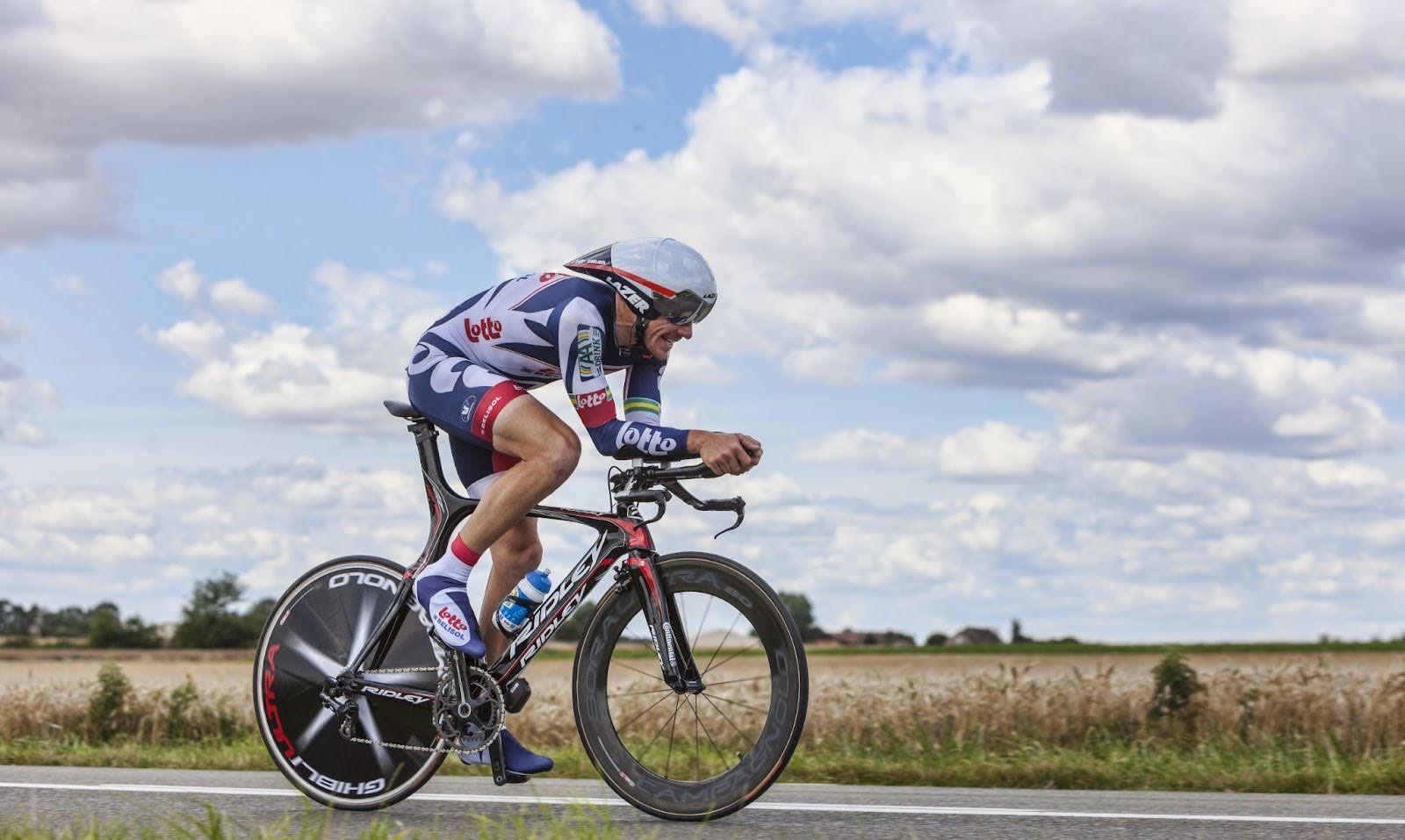
For cyclists – especially those endurance types and people who spend time training indoors on a smart bike – oxygen deficiency has a pretty specific meaning. When you ride your bike, your muscles are basically screaming out for oxygen to generate energy. If your body can't keep up with that demand, you will start to feel the effects right away. To put it simply, not enough oxygen is basically sapping your ability to keep going at a decent pace, recover between sprints, and just generally keep a smooth breathing rhythm that cycling relies on.
Practically speaking, if you're suffering from mild oxygen deficiency you might start feeling tired a lot sooner than usual, your pace will drop off unexpectedly or your legs will begin feeling like lead way quicker than they should. This is why oxygen-deficiency symptoms tend to show up during exercise, rather than when you're just sitting around.
Now, keep in mind that intense cycling always puts a bit of strain on your breathing and heart rate, but if you start noticing weird shortness of breath, dizziness, headaches or you just can't recover properly after what would normally be a doable ride, that's probably worth paying attention to. These symptoms can easily get mixed up with symptoms of being a bit too low on oxygen – especially during high-intensity intervals, long rides or if you're in a poorly ventilated indoor environment where it gets hot fast.
It's also worth noting that the things that cause oxygen deficiency in cyclists aren't all massive, life-changing problems.
Exposure to high altitude, polluted air, having a respiratory condition, anemia or heart problems can all make it harder to get oxygen to your muscles. Even getting dehydrated, not sleeping enough or doing too much training at the wrong time can make you feel more winded than you should, especially when you're pushing yourself up a long climb or trying to hold a high pace.
Symptoms and warning signs
Early recognition of the symptoms associated with oxygen deficiency is essential to prevent serious complications. In addition to shortness of breath, cyanosis and fatigue, there are other less obvious but equally important signs.
Tachycardia, or rapid heart rate, is a response of the body trying to compensate for the lack of oxygen by pumping blood faster in an effort to distribute the available oxygen more efficiently. Other symptoms include persistent headaches, dizziness or lightheadedness, and decreased physical performance, symptoms that are often overlooked or mistakenly attributed to other, less critical causes.
It is crucial to watch for neurological symptoms as well, such as confusion, disorientation or changes in consciousness. These may indicate severe hypoxia, directly affecting brain function due to lack of oxygen.
In children, unusual irritability or lethargy may be indicative of hypoxia. The occurrence of any of these symptoms, especially in combination, requires immediate medical evaluation to determine the underlying cause and begin appropriate treatment. Ignoring these signs leads to irreversible organ damage, emphasising the importance of early detection and action.
How do I know if I am suffering from oxygen deficiency?
The process of diagnosing oxygen deficiency begins with a detailed clinical evaluation, including a complete medical history and physical examination. The physician will inquire about specific symptoms, history of respiratory or cardiac disease, exposure to high altitude environments, and potential exposure to pollutants or toxins. During the physical examination, special attention will be paid to respiratory rate, the presence of abnormal lung sounds, and observation for signs of cyanosis. This initial stage is crucial to guide further diagnostic testing and to rule out other conditions that may present with similar symptoms.
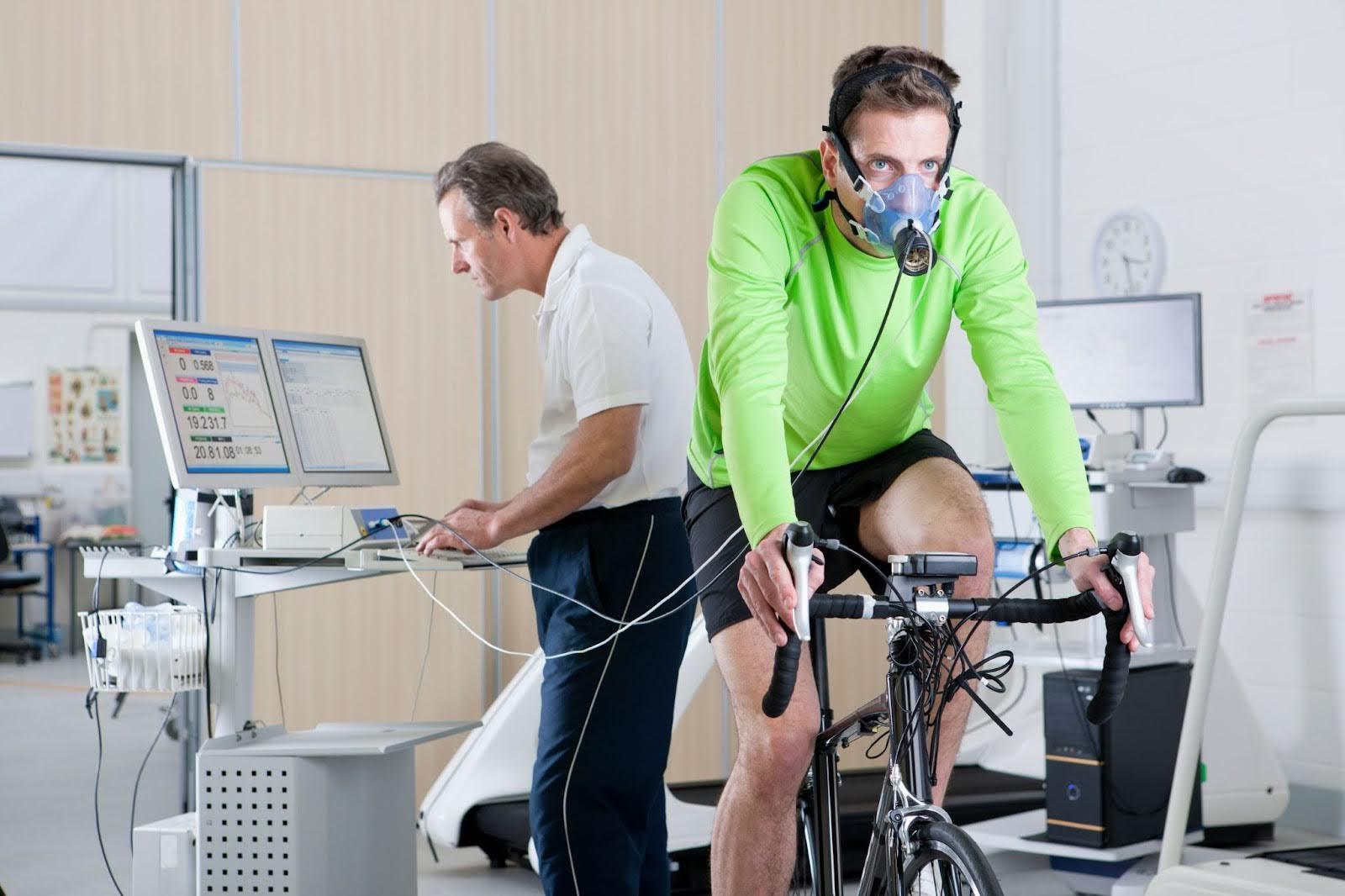
Based on the initial assessment, specific tests may be ordered to confirm the diagnosis and determine the severity of the oxygen deficiency. Pulse oximetry is a non-invasive test that measures oxygen saturation in the blood through a sensor placed on the finger, providing a quick estimate of oxygenation.
For a more accurate assessment, arterial blood gases directly measure oxygen and carbon dioxide levels in arterial blood, in addition to blood pH, providing a detailed picture of the patient’s respiratory and metabolic status. These tests are essential to establish an appropriate treatment plan and to monitor the response to treatment in patients with hypoxia.
Available treatments and prevention strategies
Treatment will depend on the different situations of the individual. In acute hypoxia situations, administration of supplemental oxygen is an immediate measure. For chronic conditions, the approach may include medications to improve lung or cardiac function, as well as respiratory rehabilitation therapies. Surgical intervention is necessary in severe cases.
Preventing oxygen deficiency involves a combination of healthy practices and proactive measures. Maintaining an active lifestyle, avoiding smoking, and properly managing chronic conditions are fundamental steps. In addition, in high altitude environments, gradual acclimatization is recommended to allow the body to adjust to the reduced oxygen levels.
Importance of adequate oxygenation
Adequate oxygenation is essential not only for survival, but for maintaining a high quality of life. Oxygen is indispensable in numerous biological processes, including cellular energy production, brain function and tissue repair. A deficiency in this vital element can have devastating effects on physical and mental health.
One study that validates the importance of addressing and preventing oxygen deficiency is “Global, regional, and national incidence, prevalence, and years lived with disability for 354 diseases and injuries for 195 countries and territories, 1990-2017: a systematic analysis for the Global Burden of Disease Study 2017.” Conducted by the GBD 2017 Disease and Injury Incidence and Prevalence Collaborators, this 2018 study, conducted under the auspices of the Institute for Health Metrics and Evaluation (IHME) at the University of Washington, provides a comprehensive overview of global disease incidence and prevalence. It highlights, among others, conditions that lead to oxygen deficiency, such as COPD, underlining the importance of prevention and proper management of these diseases to reduce their impact on global health.
How ROUVY helps you train smarter indoors
Training indoors gives you something outdoor riding cannot always guarantee: control. And when your goal is to improve endurance, fitness, and overall performance, that control matters – especially when your body is under stress or adapting to new training loads.
One of the most common challenges athletes face is learning to recognize the difference between normal exertion and early warning signs that something is not quite right.
When oxygen deficiency symptoms appear – such as unusual fatigue, dizziness, headaches or shortness of breath during exercise that feels disproportionate to the effort – structured indoor training can help you respond more intelligently. Instead of pushing blindly through discomfort, you can reduce intensity, monitor recovery and build the consistency that improves long-term health and performance.
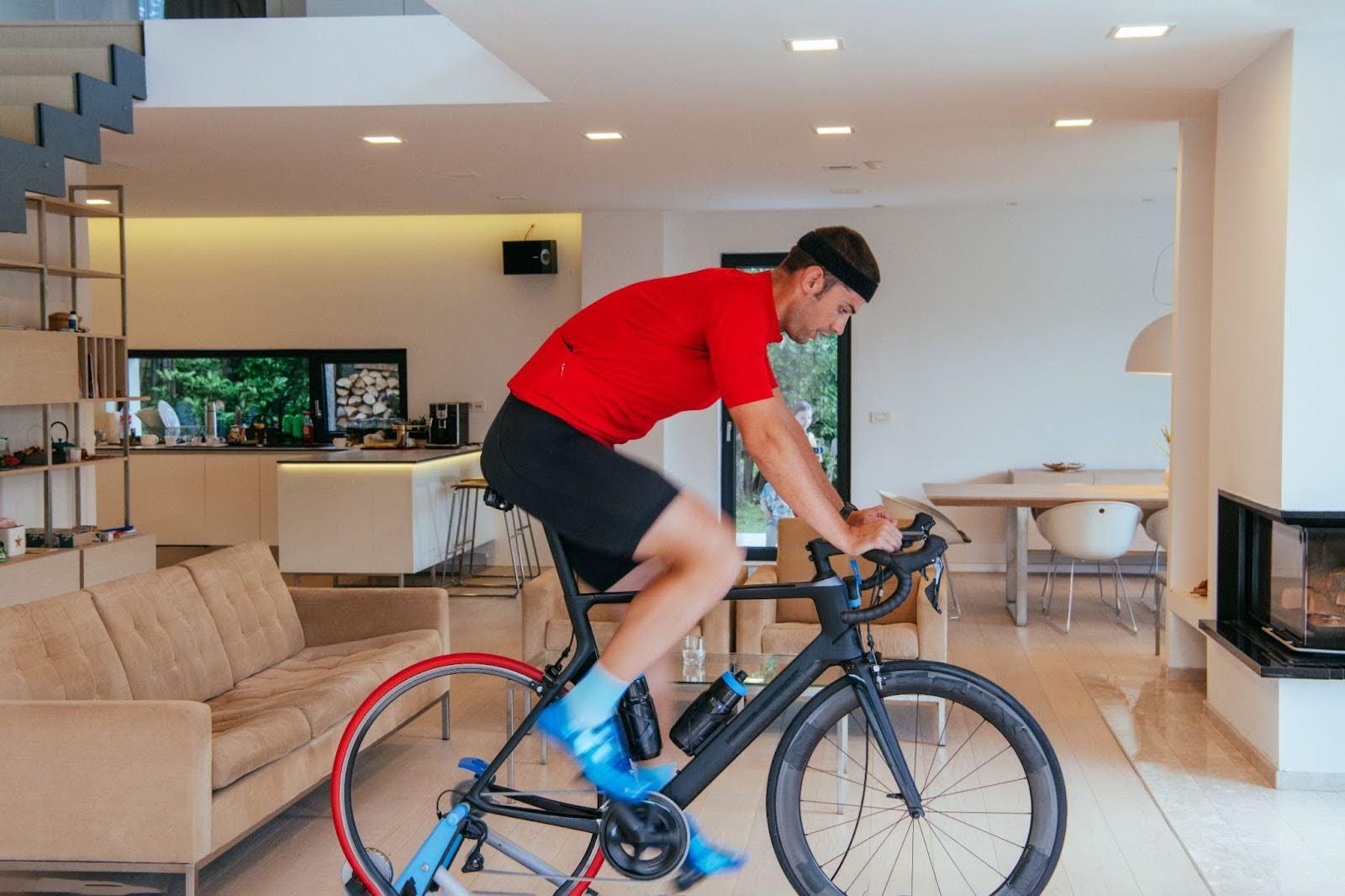
The ROUVY indoor cycling app supports this smarter approach by helping cyclists train with measurable targets. With pro-designed workouts, controlled gradients and performance tracking, you can develop aerobic capacity gradually while improving breathing efficiency – two of the most important foundations for endurance athletes. This is particularly valuable for beginner cyclists or health-conscious riders who are still learning how their body reacts to different intensities and durations.
It is also worth remembering that low oxygen levels are not always linked to illness. Training stress, dehydration, poor ventilation or heat buildup indoors can increase perceived exertion and make breathing feel harder, even when your fitness is improving.
In these situations, indoor control becomes an advantage: by adjusting intensity and maintaining steady pacing, you can reduce unnecessary strain and keep workouts productive – without triggering excessive fatigue or hypoxia-like responses.
For riders preparing for altitude events – or simply curious about altitude effects on performance – ROUVY can also offer a practical way to simulate sustained climbing efforts and pacing strategies. While indoor cycling training cannot replicate true altitude physiology, it can help you build the muscular endurance and cardiovascular stability that make altitude riding more manageable.
Finally, for athletes who track health data, indoor training can provide a reliable baseline. If you monitor blood oxygen levels with a wearable device, consistent indoor conditions make it easier to spot meaningful changes over time. If symptoms persist or worsen, however – especially if they resemble serious hypoxia symptoms – it is important to consult a healthcare professional, since oxygen deficiency causes can include medical conditions that require proper diagnosis.
In short, ROUVY helps you train smarter by combining structure, safety and progress tracking – so you can build fitness without ignoring signals your body may be sending.
Further reading
- ROUVY, “How To Breathe More Efficiently While Cycling”
- Sports Medicine, “Contemporary Periodization Of Altitude Training For Elite Endurance Athletes”
- Frontiers in Sports and Active Living, “Exercise-Induced Hypoxemia in Endurance Athletes: Consequences for Altitude Exposure”
- European Journal of Applied Physiology, “Modelling The Relationships Between Arterial Oxygen Saturation, Exercise Intensity And The Level Of Aerobic Performance In Acute Hypoxia”