WHAT ARE THE CRITERIA FOR SELECTING THE BEST CYCLING APPS?
Now that we’ve established why cycling apps are a big deal in 2026, let’s talk about how we’re choosing the best of the best. Because let’s face it – not all apps are created equal. Some look pretty but lack substance. Others are packed with features but are clunky and confusing to use. To separate the winners from the wannabes, we’ve focused on several key criteria.
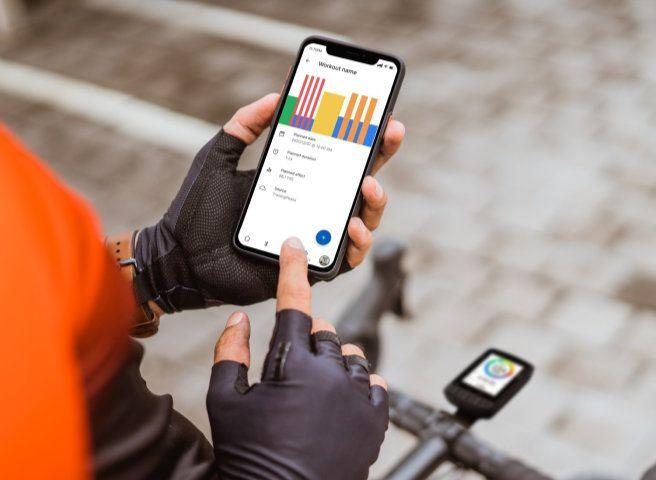
One key feature to look for in a cycling app is built-in workouts, as they offer structured training plans that enhance the training experience.
USER INTERFACE AND EXPERIENCE
Let’s start with the basics: how the app looks and feels. A top-tier cycling app should be intuitive and enjoyable to use. That means clean design, smooth navigation and easy access to core features like tracking, planning or syncing devices. Whether you’re mid-ride or mid-sweat during an indoor session, you don’t want to be fiddling around trying to find the pause button.
According to Petr Minarik at CyclistsHub.com, the best cycling apps prioritize user experience to ensure riders stay engaged without being overwhelmed by too much data or clutter. For more experienced cyclists, customization and advanced display options become more important, but clarity should never be sacrificed.
FEATURES AND FUNCTIONALITY
This is where the rubber meets the road. The best cycling apps in {current-year}} are those that strike a progressive balance between innovation and usability. Features like offline maps, suggested routes, turn-by-turn navigation, training plans, indoor ride simulations and performance analysis are becoming the standard and not the exception these days.
But more isn’t always better. Ultimately it’s about meaningful features that serve your goals.
A great training app should offer adaptive workouts based on your progress. A quality cycling navigation app should give real-time rerouting and terrain insights. And indoor cycling apps? They should keep things interesting with diverse ride options, live events and solid integration with smart trainers.
As BarBend notes in its recent review of cycling apps, it’s also important to consider how well an app handles the "little things" – such as syncing with your smartwatch, exporting GPX files or offering voice cues mid-ride. Those details can make or break the overall experience with enhancements that take it to the next level.
COMPATIBILITY WITH DEVICES AND PLATFORMS
No one wants to deal with compatibility headaches. That’s why we’ve prioritized apps that reliably work smoothly across platforms – whether you’re an Android diehard, an iOS fan, or someone using a cycling computer like a Wahoo or Garmin. Integration with fitness wearables, heart-rate monitors, and smart trainers is also key, especially for serious riders tracking cycling metrics and performance across multiple tools.
Apps that offer seamless syncing with third party services earn extra points. Because if you're investing time in data, it should work for you – not the other way around.
USER REVIEWS AND RATINGS
Finally, we listened to the word on the street and factored in what real cyclists are saying. App store ratings, Reddit discussions, cycling forums and expert buyer’s guides all help paint a fuller picture.
The best cycling apps consistently get high marks not just for features, but also for reliability, updates and customer support.
Before you part with your hard earned cash, we strongly recommend you do some extra on-line research of your own, or talk to a helpful expert at a bricks-and-mortar cycling store so you have all the facts you need.
We’ve cross-referenced guides from respected sources like BikeRadar and Cyclist.co.uk to double-check that the apps we’re highlighting are proven performers – not just flavour-of-the-month downloads.

Now we’ll break down the best cycling apps of 2026, app by app – covering key categories like best indoor cycling apps, cycling route-planning apps, tracking and training apps, and even the best free cycling apps and community-focused platforms.
TOP CYCLING APPS FOR PLANNING ROUTES & NAVIGATION
Choosing the right cycling route can make or break your ride. Whether you’re planning a weekend adventure or just trying to avoid traffic, these cycling apps have come a long way. The best cycling apps offer extensive archives of planned routes and tools for planning routes based on various metrics like distance and elevation. In 2026, the most popular platforms offer dynamic features like offline navigation, elevation profiling, and community-sourced routes that are designed with cyclists in mind.
Komoot
Features: Turn-by-turn navigation, offline maps, tailored routes based on ride type and surface preference.
Komoot continues to dominate the adventure cycling scene - and for good reason. It lets you create custom routes with surface and elevation filters - ideal for gravel rides, MTB trails, or multi-day tours. You can download maps for offline use (a lifesaver when riding off-grid) and access detailed route previews that include terrain type, elevation changes, and estimated fitness level needed.
Pros:
Great for discovering those off-the-beaten-path routes
Offline functionality for remote riding
Customizable route suggestions
Cons:
Best suited for: Adventure cyclists, gravel riders, bike-packers, and touring enthusiasts who crave exploration and need reliable offline navigation.
Ride with GPS
Features: Advanced route planning, elevation profiles, turn-by-turn voice navigation, and public/shared routes from the cycling community.
Ride with GPS has risen up the ranks to become a favoured go-to platform for road cyclists and event organizers thanks to its ultra-detailed route planning tools. With rich elevation data, heatmaps showing popular local routes and voice navigation, it’s a strong all-rounder to make the most of existing routes. Event features let riders plan and share routes with groups, making it super-popular among clubs and race organizers.
Pros:
Exceptional route detail and customization
Strong community and route library
Ideal for event planning and group rides
Cons:
Best suited for: Road cyclists, group riders, and event organizers looking for comprehensive planning and sharing tools.
OTHERS:
Google Maps
Bikemap
MapMyRide
TOP CYCLING TRACKING APPS FOR PERFORMANCE INSIGHTS AND SOCIAL MOTIVATION
For many cyclists, it’s not just about reaching the destination – it’s about improving yourself and sharing your journey with others. These live tracking apps not only help log every kilometre but also bring riders together through leaderboards, social feeds and performance analytics.
Additionally, these apps allow users to participate in community activities and challenges, such as monthly contests and races, enhancing the user experience by promoting social interactions and competitive elements.
Strava
Features: Activity tracking, performance analytics, social sharing, segments, challenges, and heatmaps
Strava is way more than a simple GPS tracker - it’s become a global social network for athletes. We've even witnessed romantic relationships that have blossomed thanks to Strava! With millions of users worldwide, it’s the undisputed leader when it comes to mixing performance tracking and community engagement. Segments and leaderboards tap into your competitive side, while monthly challenges and club features keep motivation levels healthily high.
Pros:
Huge community of cyclists
Seamless device integration
Excellent social and motivational features
Cons:
Best suited for: Competitive cyclists, social riders, and anyone who enjoys tracking their progress while connecting with others.
Garmin Connect
Features: Deep data analytics, training plans, device syncing, and health metrics
If you ride with a Garmin device, this app is essential. Garmin Connect delivers some of the most detailed post-ride data out there - from cadence and VO₂ max to stress levels and sleep tracking. The platform also offers structured training plans and connects with third-party apps like Strava, TrainingPeaks, and MyFitnessPal.
Pros:
Extremely detailed health and fitness data
Syncs effortlessly with Garmin devices
Free to use with full features
Cons:
Best suited for: Data-driven cyclists, endurance athletes, and anyone already using Garmin gear.
The best indoor cycling apps
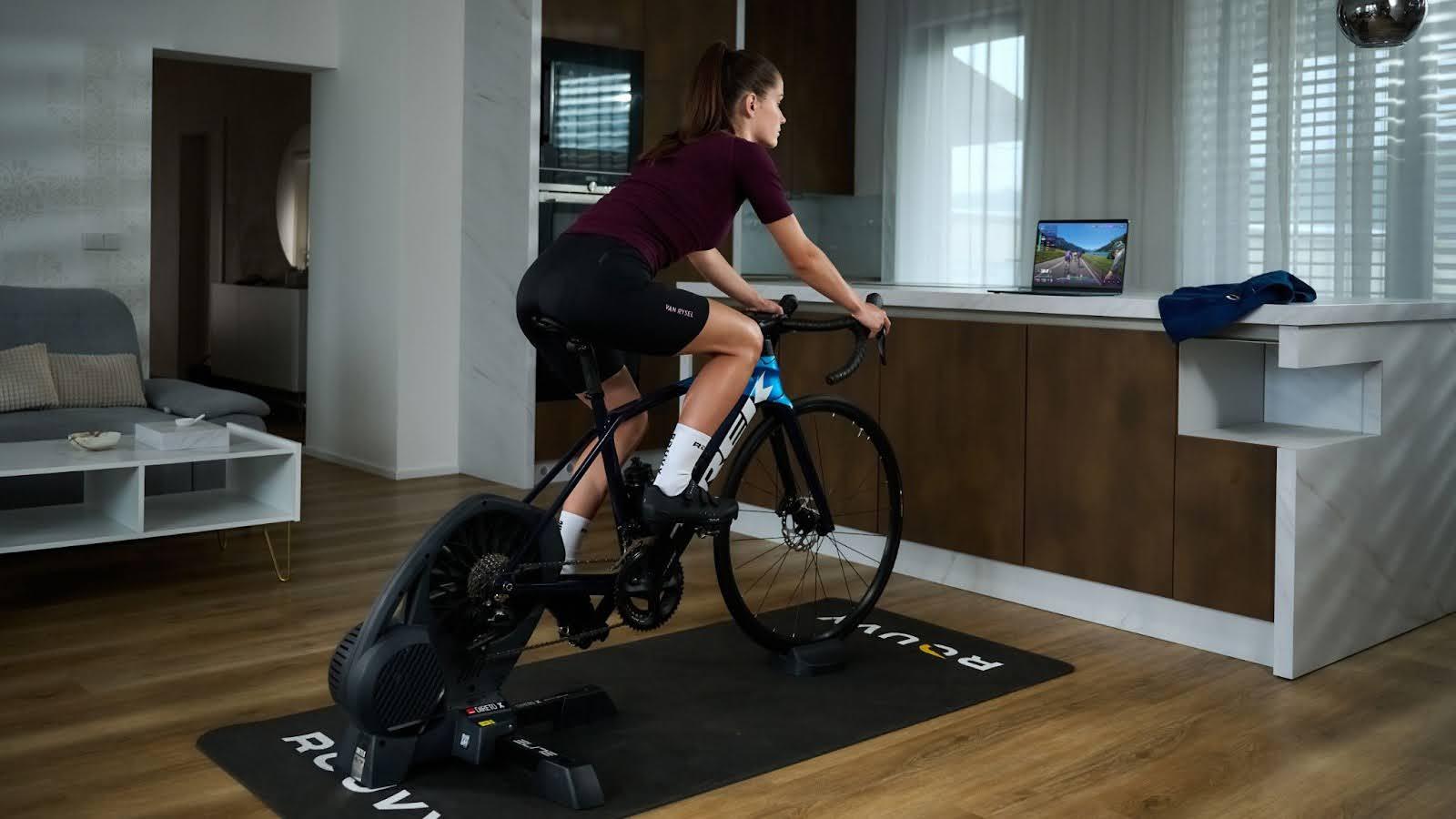
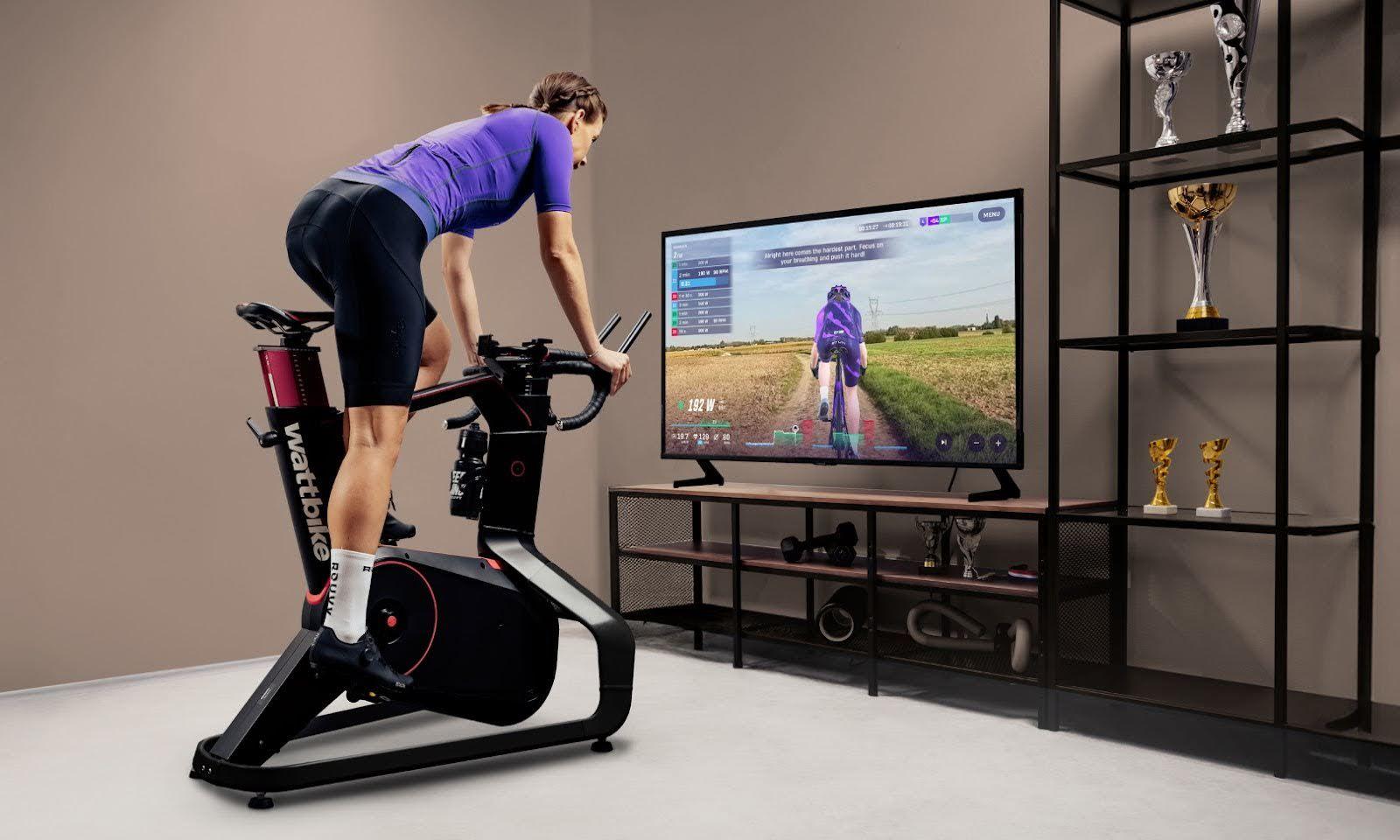
Indoor cycling continues to grow in popularity, and 2026’s most popular indoor cycling apps offer a blend of immersive worlds, structured workouts and advanced ride simulations. These indoor cycling apps make indoor training more effective – and way more fun.
ROUVY
Features: Real-world video routes, augmented reality (AR), structured workouts, power-based training
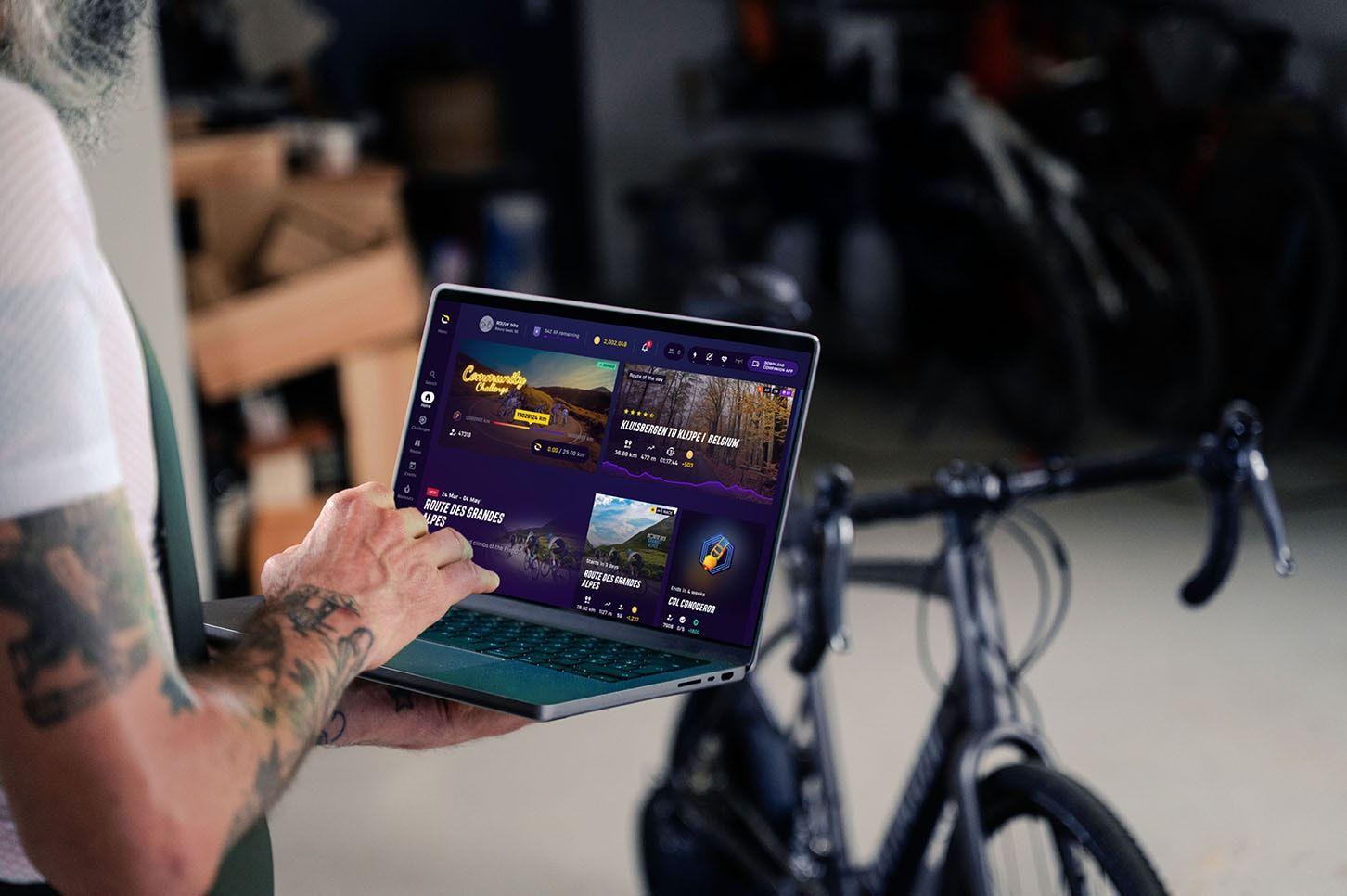
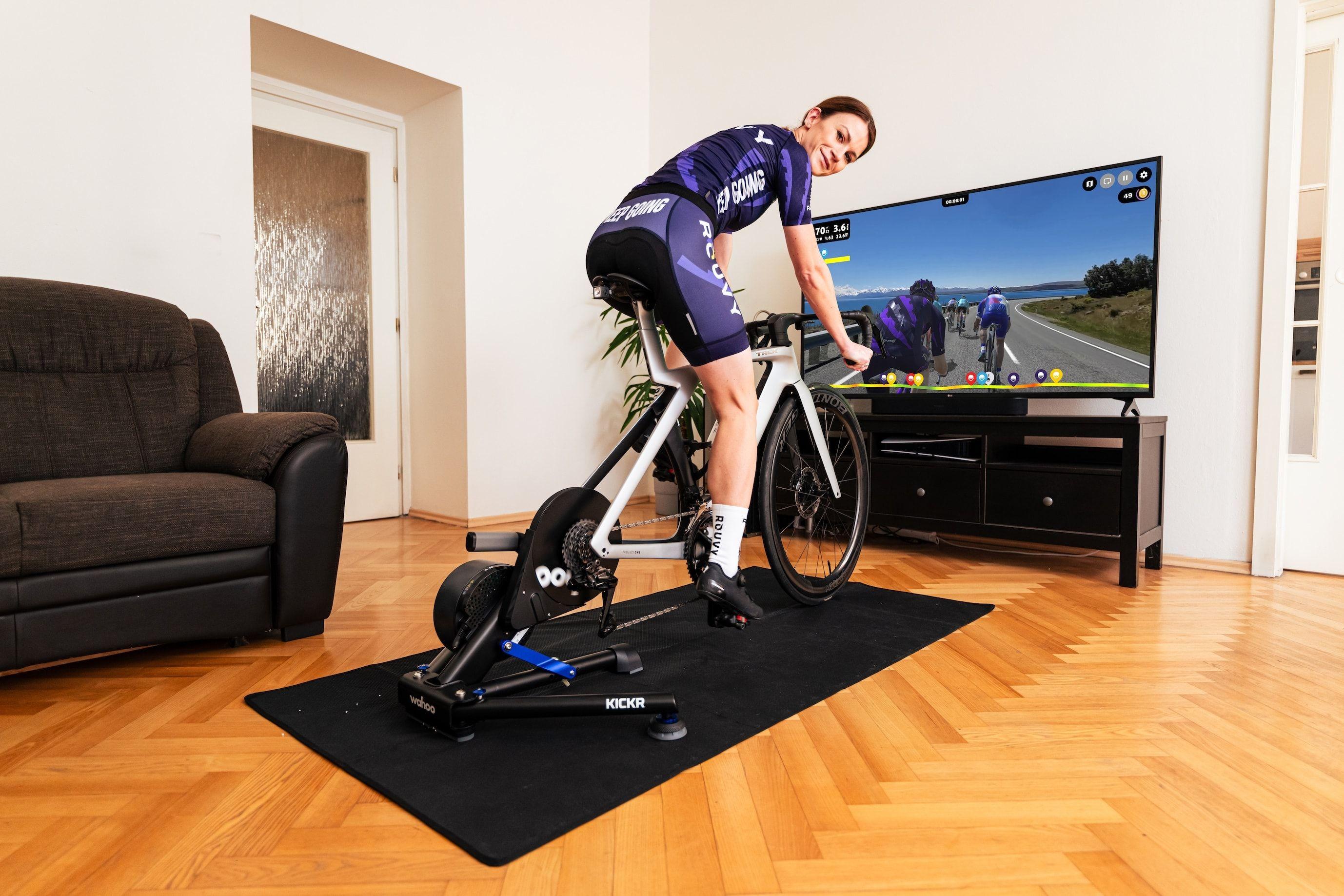
If you are looking for realism in your ride, ROUVY stands out from the pack with its use of real video footage combined with AR, making you feel like you’re actually riding iconic routes around the world. It offers an extensive library of thousands of routes and structured workouts, and it syncs with most smart trainers. If you prefer realistic routes over gamified landscapes, this one’s for you. As the official digital sports platform of IRONMAN, ROUVY is the only app to let cyclists train on virtual versions of official IRONMAN bike courses, making it ideal for triathletes getting race-ready for their upcoming event. The Fulgaz app, which is part of the ROUVY group, boasts a similar video experience, but without the AR – so it’s ideal for cycling purists.
Pros:
Realistic ride simulations with real-world footage
Excellent workout library and progression tools
Easy setup and trainer compatibility
Cons:
Best suited for: Cyclists looking for immersive, real-world indoor rides and structured training programs.
Zwift
Features: Gamified virtual worlds, races, social group rides, and dynamic training plans
Zwift is the indoor cycling app with the most online users and takes a gamified approach to cycling with a visual world that feels like you're in a video game. It turns your pain cave into a virtual universe where you can race, ride socially or follow a training plan. With regular events, badges and new route updates, it keeps indoor training fresh. Its group rides are especially popular, creating a sense of community and friendly competition. If you prefer riding with other online cyclists, you'll always be able to find someone to share the road with you.
Pros:
Cons:
Best suited for: Gamified training enthusiasts, social indoor riders, and competitive cyclists who thrive in a virtual pack.
MyWhoosh
Features: Free virtual cycling platform, structured workouts, races, and power-based training
MyWhoosh has positioned itself as a quality, no-cost alternative to other indoor cycling apps. It offers everything from guided workouts to races in immersive 3D worlds – all very similar to Zwift, but without a subscription fee. It should be pointed out that although technically the app is free, you need to pay if you want to ride a better virtual bike or to get more rewards. It's a classic free-to-play model.
Pros:
Cons:
Best suited for: Budget-conscious cyclists looking for a solid indoor training experience without the cost.
OTHERS
Specialized cycling apps
Not all cyclists need bells and whistles. Sometimes, the best app is the one that simply helps you train smart and get stronger. These specialized cycling training apps are focused on structured workouts, power analysis and long-term progression.
TrainerRoad
Features: Power-based training plans, FTP testing, adaptive training, deep analytics
TrainerRoad is all about structure. It's a stats and workout-only training platform that focuses on AI recommendation and data-driven training plans and is geared toward cyclists training with power meters or smart trainers who want results-driven programs. Their Adaptive Training feature adjusts your plan based on recent performance and fatigue – so no guesswork is needed.
Pros:
Science-based training structure
Excellent analytics and progress tracking
Adaptive workouts based on user data
Cons:
Best suited for: Cyclists focused on performance, structured training, and FTP improvement.
TrainingPeaks
Features: Structured training plans, detailed performance metrics, coach integration, workout analysis
TrainingPeaks has long been a favourite among serious cyclists, triathletes and endurance athletes who want to bring structure, precision and accountability to their training. The app is built around the science of periodization and long-term performance development. It offers powerful tools like the Performance Management Chart (PMC), Training Stress Score (TSS), and Fitness/Fatigue scores – making it ideal for cyclists who really like a deep dive into their data.
One of its standout features is the ability to sync with a personal coach. Many professional coaches use TrainingPeaks to deliver custom workout plans directly to their athletes, with real-time feedback and adjustments based on performance.
TrainingPeaks acquired the IndieVelo app in late 2024 to create TrainingPeaks Virtual – which offers cyclists a 2-D graphic world (like Zwift) as part of the TrainingPeaks premium subscription. You can import your workouts into TrainingPeaks Virtual.
Pros:
Comprehensive training and performance analytics
Seamless integration with coaches and custom plans
Compatible with various devices and platforms
Ideal for long-term training and goal setting
Cons:
Steep learning curve for beginners
Premium features require a subscription
Less focus on social and community aspects
Best suited for: Cyclists working with a coach, endurance athletes training for specific events, and data-focused riders aiming for long-term progression.
OTHERS
Wahoo SYSTM offers a comprehensive training program with unique features like the Four Dimensional Power (4DP) test, making it ideal for dedicated athletes.
Free vs. paid cycling apps
Plenty of excellent cycling apps are available at no cost, especially for beginners. Free cycling apps often include route tracking, basic navigation and even some training tools. Platforms like Strava (basic), Komoot (single region) and MyWhoosh give you access to core features without requiring a subscription payment.
As with most things in life, you get what you pay for. Paid versions unlock deeper analytics, adaptive training, offline maps and social tools like leaderboards and challenges. These features are particularly valuable for goal-oriented cyclists and anyone seeking a fully immersive experience – especially with indoor cycling apps or structured performance training tools.