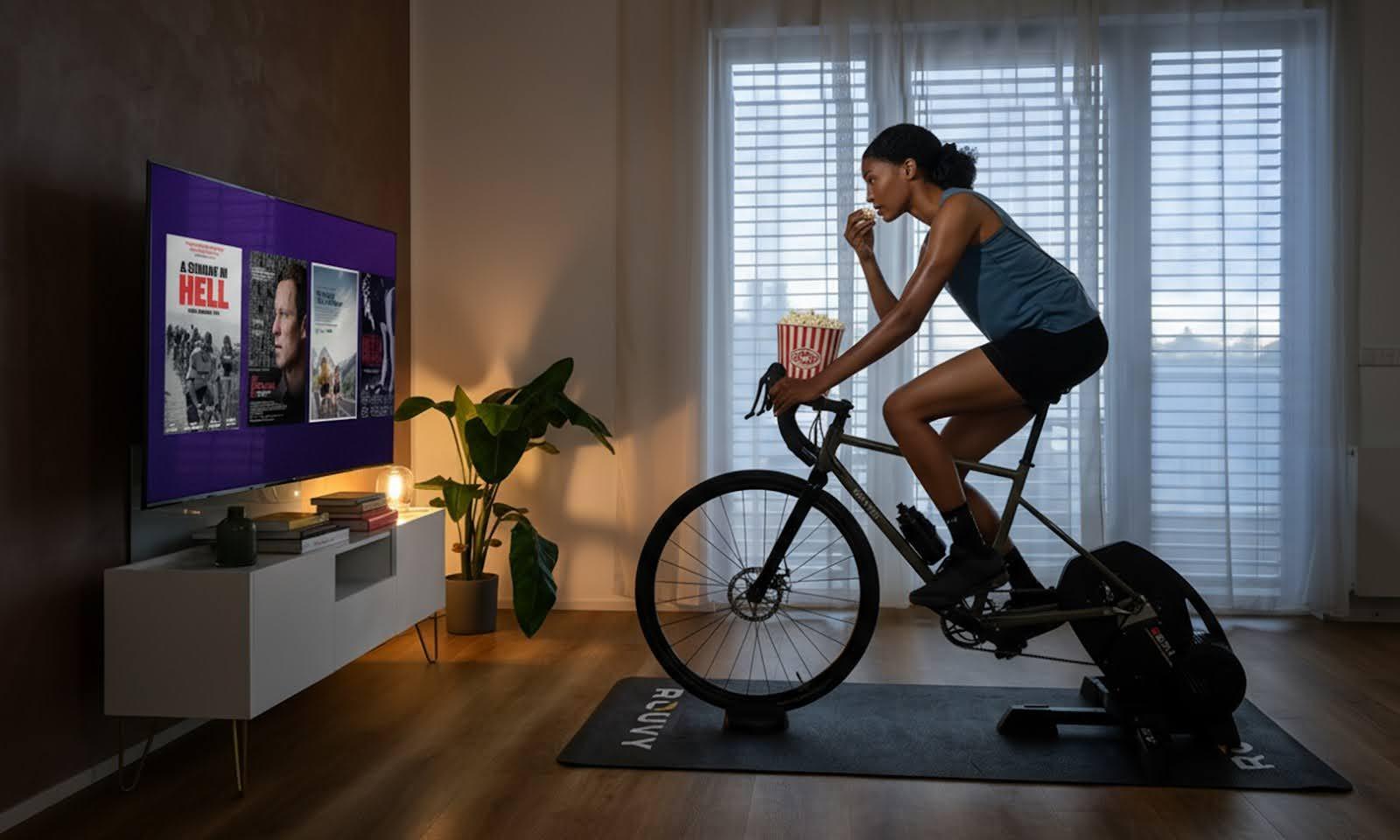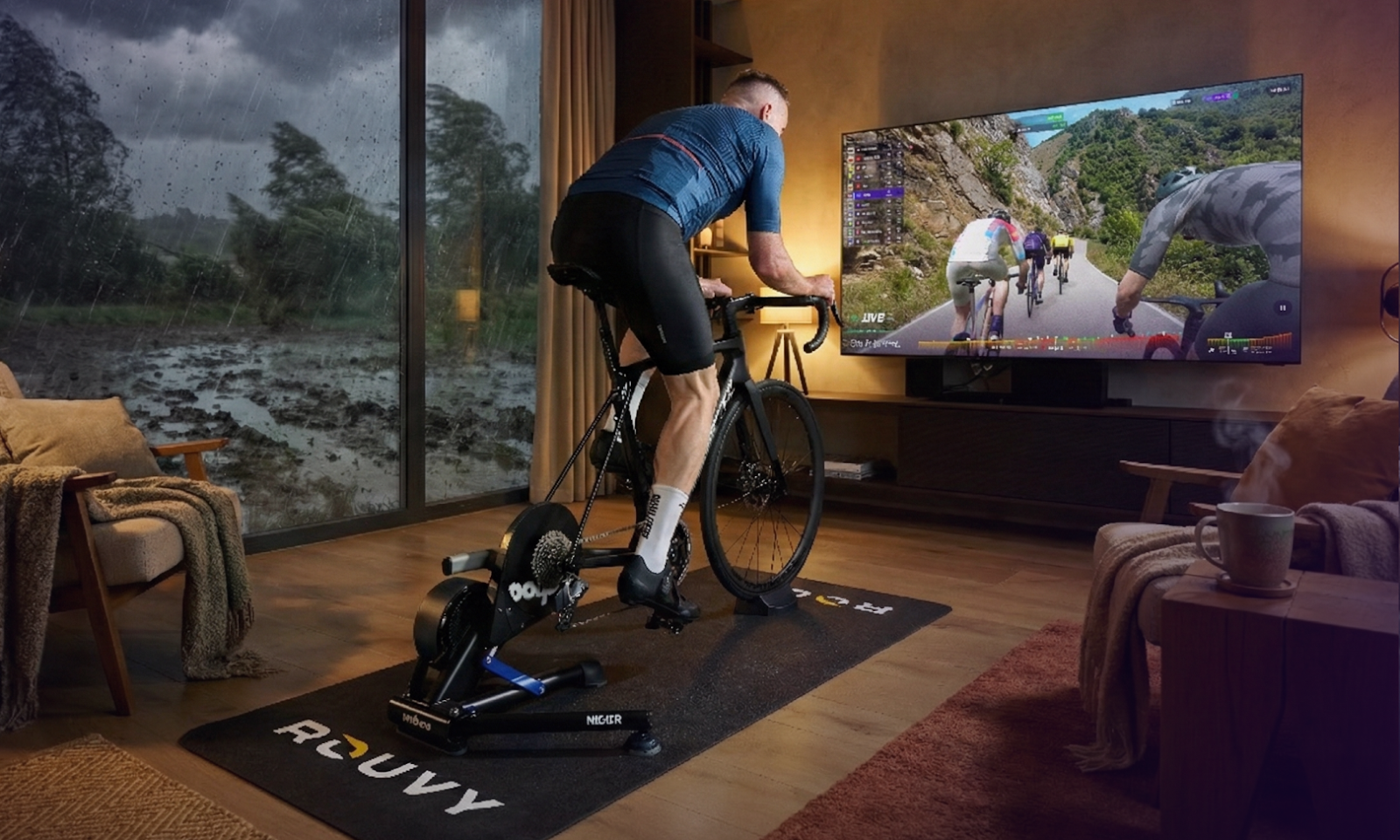
It can feel like the least wonderful time of the year: fall hits, the days get short, the roads turn cold and icy, and riding outside just isn’t practical or safe. Maybe an injury sidelines your usual training, or life simply gets too hectic to squeeze in outdoor rides.
Every year, it sparks the same conversation with my cycling friends:
How do we stay fit without riding outside and maintain our cycling fitness?
Your first line of defence against the winter blues is indoor cycling training. While you can’t precisely replicate the feeling of outdoor riding, you can get a very targeted, effective workout that supports long-term performance and consistency.
For me, it gets dark too early in the winter to ride outside, so riding inside means I can work out extra early or late at night. Indoors, you don’t have to worry about bad weather, frigid cold or fighting your way through traffic. And the best part is that you can really dial in your training because you won’t have to worry about timing your intervals around traffic patterns.
Indoor setups: From simple to high-tech
There are plenty of options to ride inside, from simple and inexpensive, to high-tech smart trainer workouts that connect seamlessly with modern cycling apps.
If you want to improve your balance and smooth out your pedal stroke, consider rollers. These are as close to riding outside as you can get, although most have very little resistance (but you can shift into your hardest gear). Rollers do take some time to get confident on, but there are other options for static trainers.
Classic trainers are simple setups where the rear wheel of the bike fits onto a small roller.
You keep your rear wheel on.
Resistance is created by the trainer and/or your bike’s gears.
They can use magnetic or fluid resistance, but don’t automatically control resistance.
They don’t usually “talk” to cycling apps, but you can use your bike’s sensors and a bike computer to record your rides.
My first trainer was a wheel-on model, where the rear wheel of your regular bike sits on a spinning drum that electronically controls resistance through an app on your phone, your bike computer, or an online cycling platform such as ROUVY. These trainers can simulate hills in workouts. However, there are limits to the gradient and power they can handle. (I literally burned out my resistance unit multiple times on indoor climbs.)
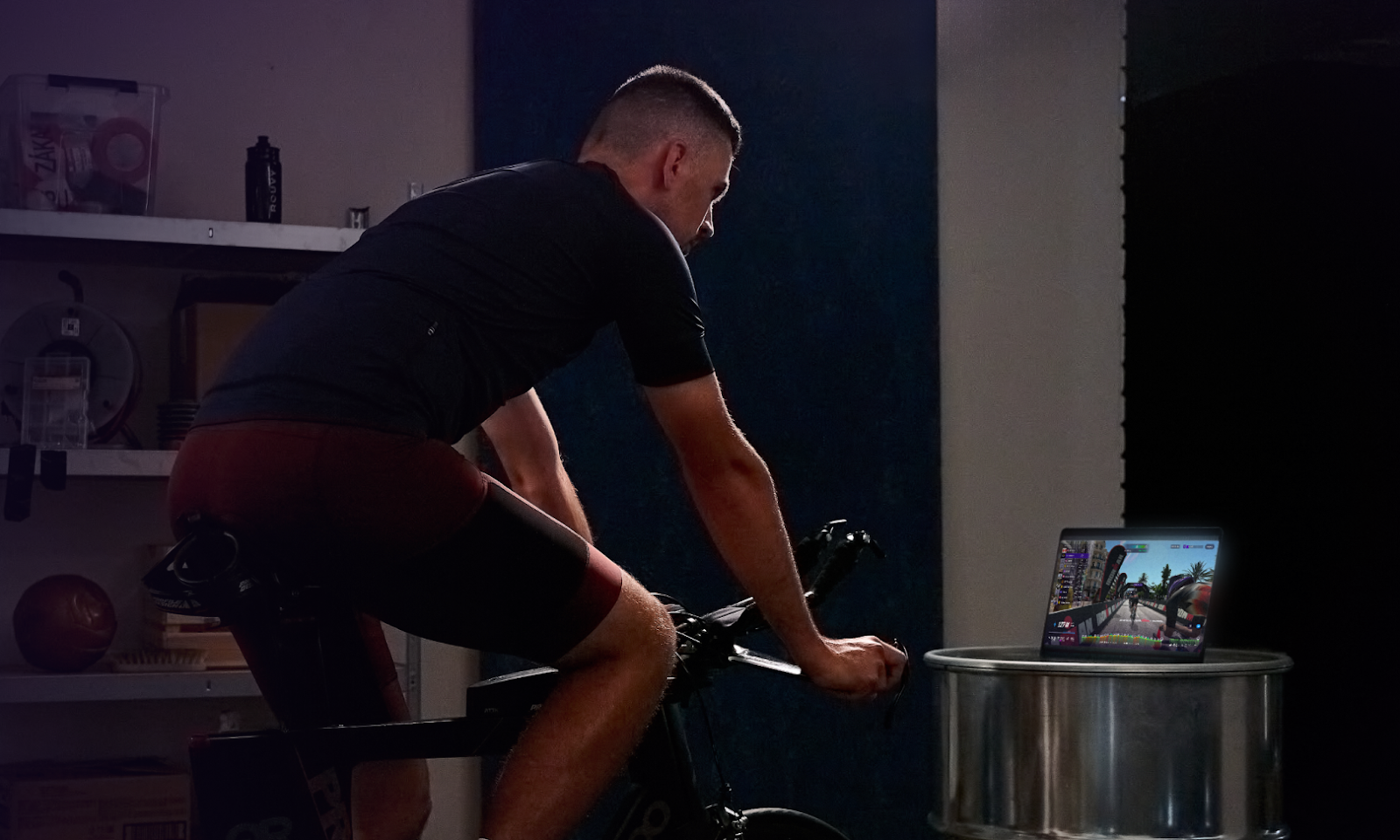
If you ride with high power or prefer big climbs, you might need a direct-drive smart trainer. You’ll remove your rear wheel and attach your bike directly to the trainer’s hub and cassette. The trainer controls resistance with great precision, making it ideal for structured indoor cycling training. You can use virtual shifting or your bike’s natural shifting to navigate the on-screen terrain.
Of course, the pièce de résistance for indoor cycling is a dedicated smart bike, such as Wahoo’s KICKR Bike Pro, the Wattbike Atom or the ZBike 2.0 by Zycle. These bikes are designed specifically for indoor cycling. They don’t have wheels, so you can’t take them outside, but they’re fully customizable to fit your body and respond accurately to simulated gradients.
Using ROUVY and structured training
The ROUVY app emulates real road conditions, including short, punchy inclines, steep descents, rolling hills and flat terrain. It also shines as a hub for structured indoor cycling training that keeps workouts engaging and purposeful.
You can maximize your trainer time by following ROUVY’S structured workouts and cycling training plans, which are based on your fitness level or FTP. These sessions are designed around your training zones, helping you stay fit without riding outside while focusing on goals like increasing your FTP, preparing for an IRONMAN triathlon, losing weight or building your endurance with a cycling endurance training plan.
One of my favourite ways to get a solid workout is through intervals. For example, a quick 10-minute warm-up, then alternate full-gas, 30-second sprints with 2 and a half to 4 minutes of easy spinning. Repeat 5 to 7 times, then cool down. This approach delivers a short, efficient session that maximizes your indoor cycling workouts and time on the trainer.
Staying motivated indoors can be challenging, but having a scheduled plan – like those available on ROUVY – makes it easier to stay consistent. You always know what’s next, which is key for effective winter cycling training.
I also stay motivated by chatting with friends on Discord while riding. My local cycling
Cross-training for cyclists
If you’re in need of a change of pace, the off-season is the perfect time for cross-training for cyclists. Mixing in strength training and home cardio exercises gives both your body and mind a break from cycling while still supporting aerobic fitness.
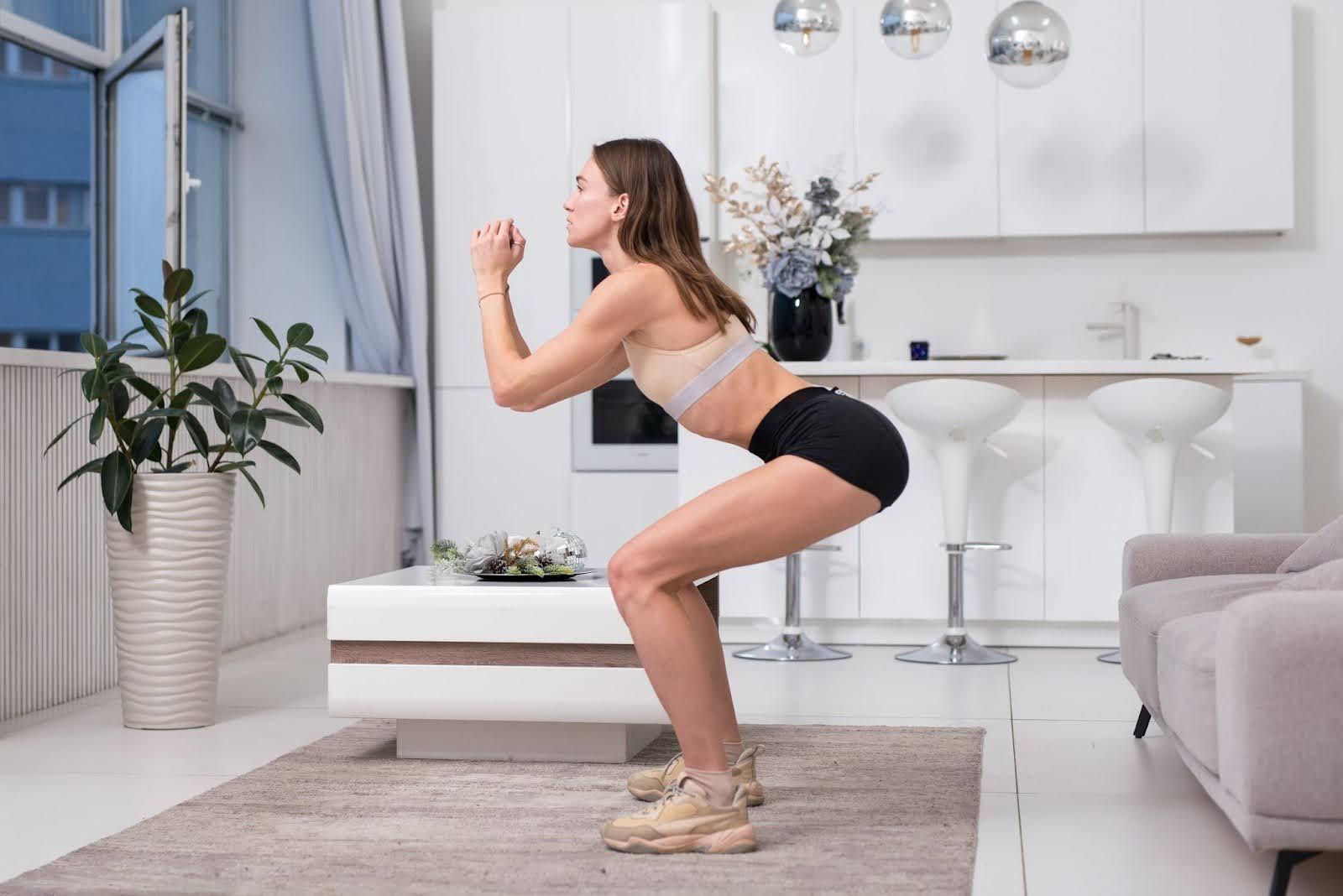
Bodyweight training is easy to fit in at home and effectively targets your core, glutes, and quads – key muscle groups for cycling power. Strengthening these areas when you can’t ride outside is especially helpful because you don’t have to worry about carrying fatigue into your next outdoor ride. If needed, you can easily add resistance bands or dumbbells.
Indoor cardio alternatives are also valuable, even with minimal equipment. If you don’t have a treadmill, jumping rope is an excellent option for improving cardiovascular fitness and bone density. HIIT workouts are another favourite. HIIT – high-intensity interval training – alternates short bursts of intense effort with brief recovery periods. You can apply this format to cycling, running or strength training, making it a flexible home cardio exercise option. Sessions typically last 10 to 30 minutes and deliver a powerful cardio stimulus.
Everyday activities that count as training
Not every fitness pursuit has to look like a traditional indoor cycling workout. Many everyday activities can help you stay fit without riding outside while improving strength, mobility and cardio fitness.
Gardening: Digging, shoveling, trimming and mulching build strength, flexibility and daily movement.
Deep housekeeping: Carrying laundry, scrubbing floors, and moving furniture demand real strength and mobility.
Dancing: Whether in your living room or on a dance floor, moving your whole body boosts coordination and cardio.
Shoveling snow: With proper technique, snow shoveling mimics movements like squats and deadlifts.
Active gaming: Games like Just Dance, Switch Sports, Pokémon Go, or VR fitness games are fun indoor cardio alternatives for the whole family.
Other cross-training options
The off-season is also a great time to explore new forms of alternative cycling training that support overall athleticism.

Running: Improves VO2 Max, cardiovascular health and discomfort tolerance.
Swimming: Builds cardio fitness and flexibility with minimal joint stress.
Hiking: Strengthens major leg muscles and stabilizers, especially on uneven terrain.
Rowing: Engages roughly 86 percent of your body’s muscles, making it a true full-body workout.
Pilates and yoga: Improve mobility, core stability and injury prevention.
Strength training: Exercises like squats and deadlifts directly enhance cycling power output.
Winter sports (XC skiing): A demanding full-body activity with exceptional aerobic benefits.