Entry-Level
Bikes in the entry-level category are made with low-cost materials that can be manufactured at large scale.
Simple, time-tested frame shapes built with aluminium or steel dominate this category. The components are basic and usually made to be durable and heavy-duty, with little to no regard for performance or weight.
In the MTB and e-bike categories, the entry-level price range is wider because the cheapest electric road and gravel e-bikes start at around $4,000. Likewise, entry-level full-suspension mountain bikes start at around $3,000.
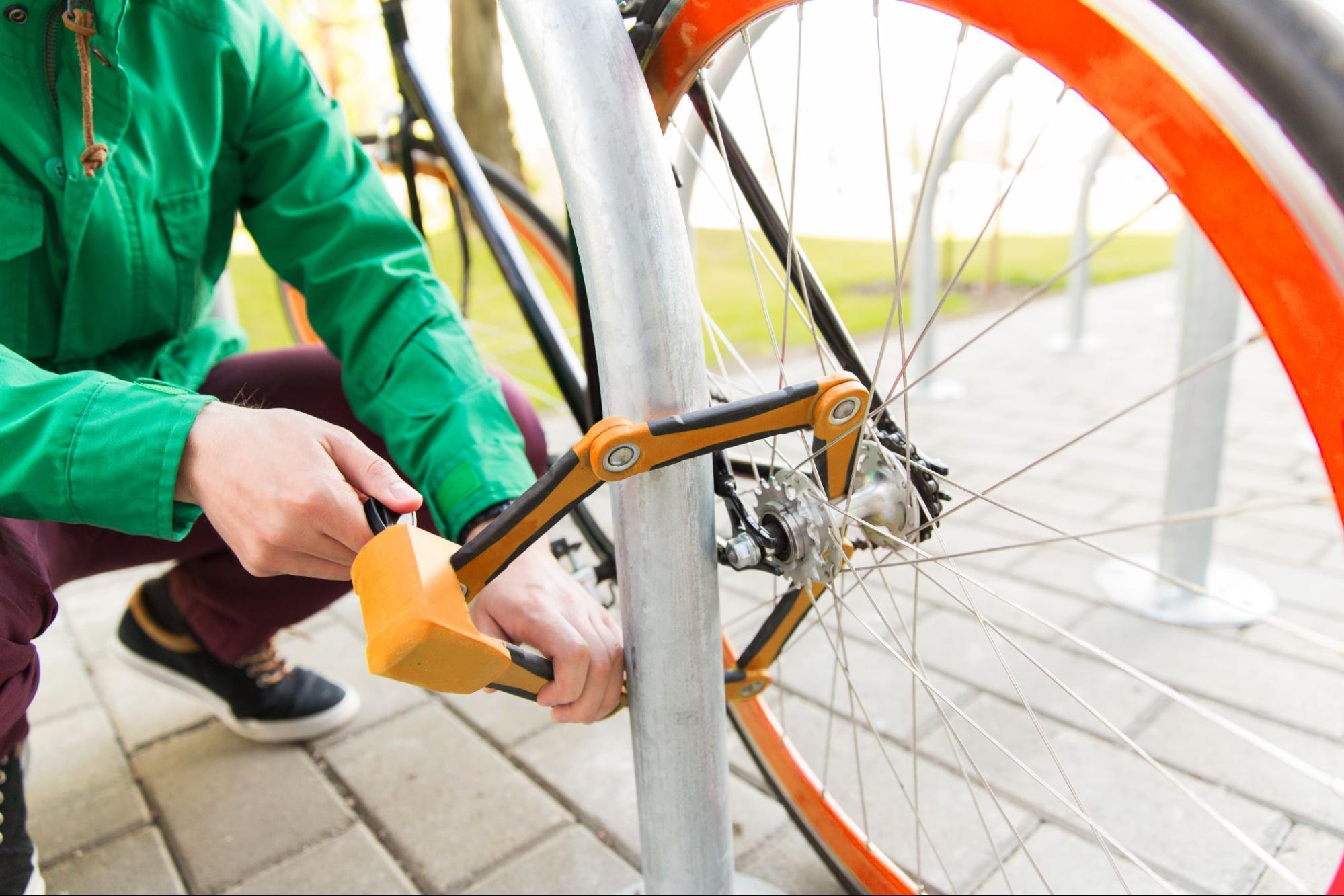
If you're new to cycling and aren't sure you'll keep it up, the entry-level category makes sense. Also, if you want a bike you can use in urban environments without worrying about theft, it's best to buy a budget runabout.
Mid-Range
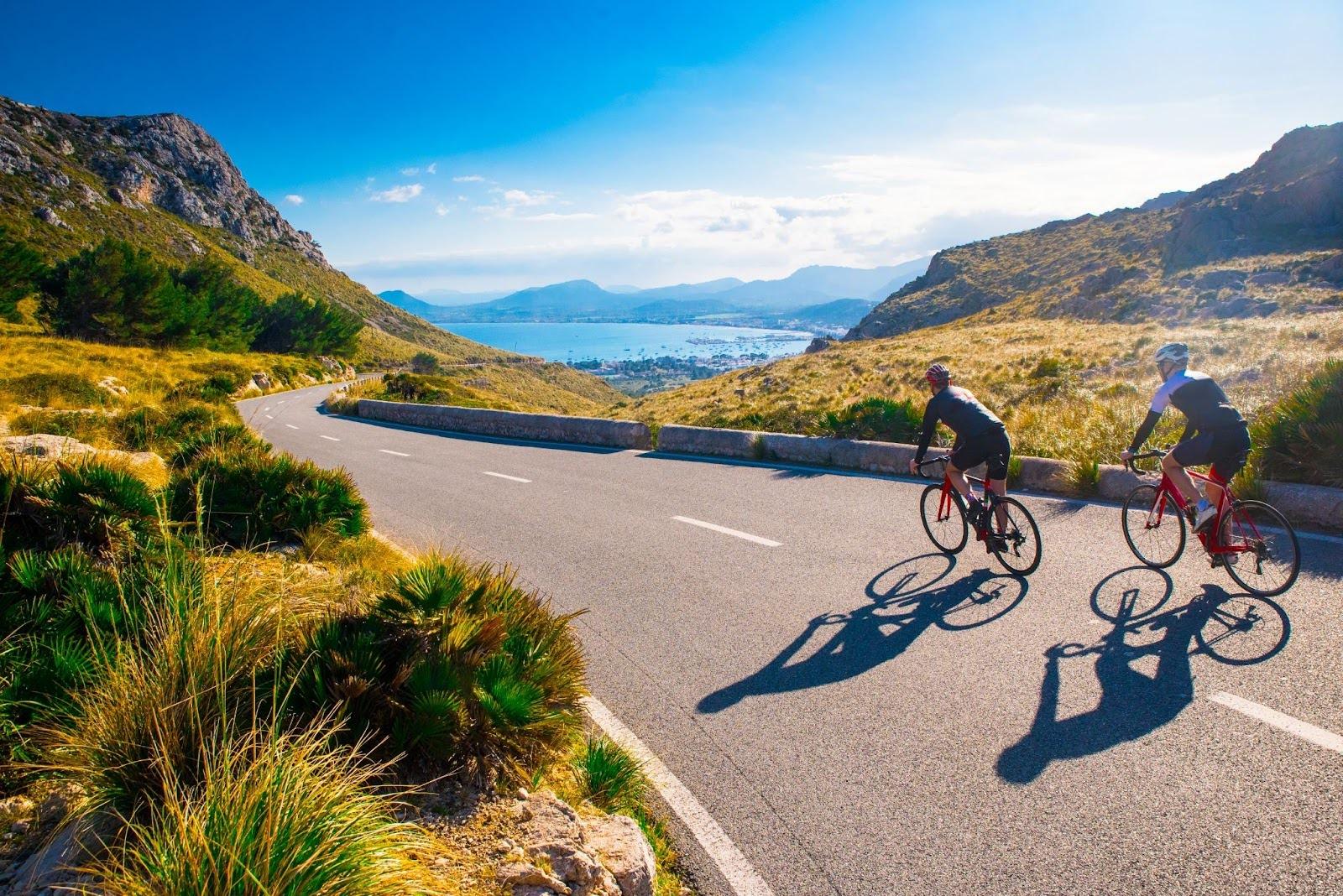
In the mid-range category, you will find more advanced materials (such as carbon fibre) and frame designs that deliver performance benefits, such as aerodynamic tubing on road bikes. In general, the components in this price range are more durable than their entry-level alternatives. However, this isn't always the case, especially when comparing carbon fibre frames with aluminium alloy and steel frames.
A good mid-range bike should be more enjoyable to ride. For example, higher-quality tyres and suspension add comfort and control, while lighter, stiffer materials make road and gravel bikes more responsive and faster. Mid-range kids' bikes are usually much lighter and designed with children's proportions in mind to make for a more enjoyable ride.
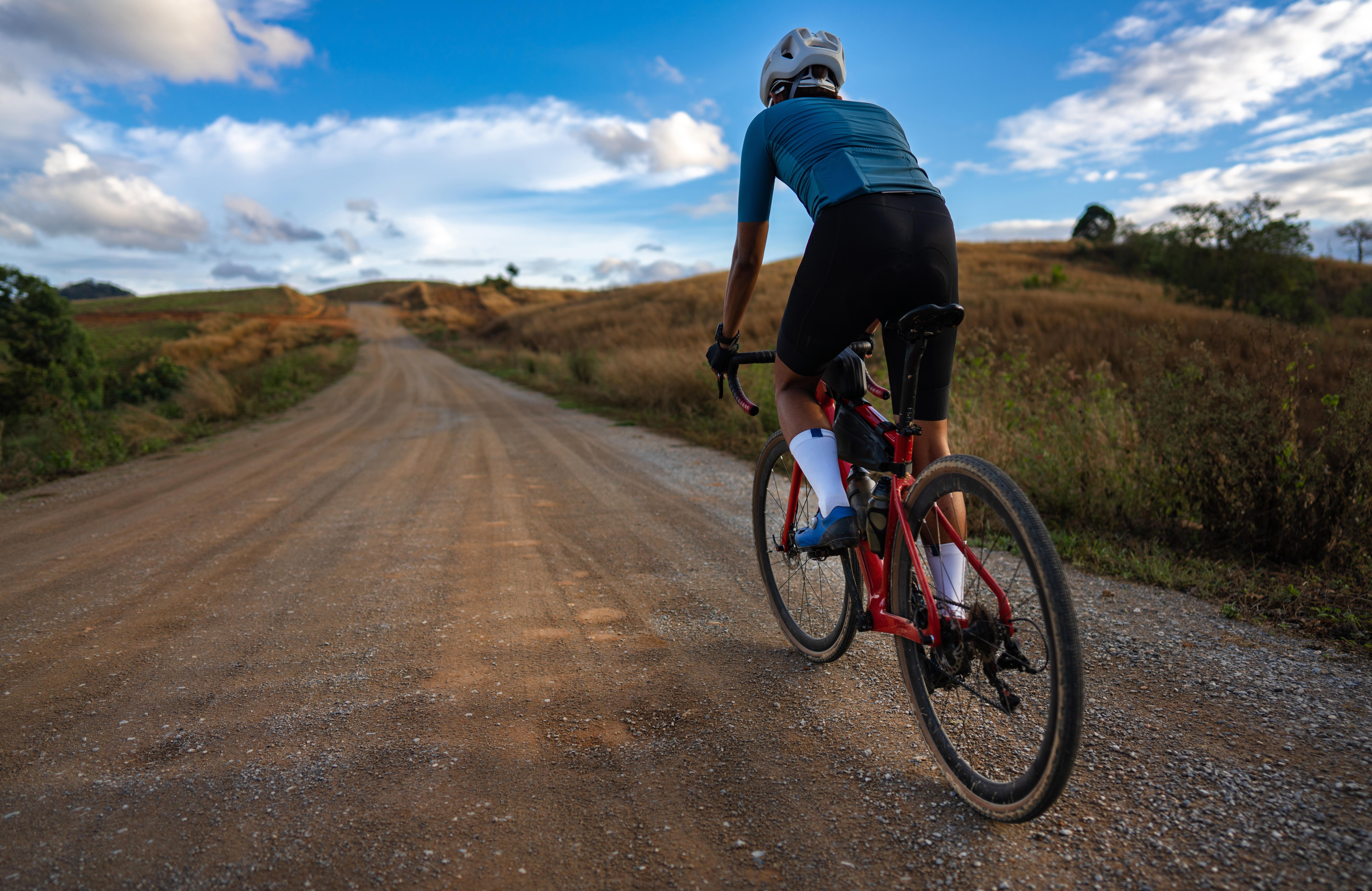
If you're a committed cyclist with some extra cash to spare, purchasing in the mid-range category can make your rides more enjoyable, and for off-road bikes (gravel and mountain) the increased capability of mid-range models opens up a wider range of trails. Mid-range commuters usually add practical accessories and features to make your daily rides easier, more comfortable and (maybe) faster.
High-End
Once you enter the high-end of any bike category, price increases are completely disproportionate to all other gains. Almost all bikes in this price range optimise for performance, which sometimes comes at the expense of durability. For example, you may pay thousands more for a carbon road bike that's identical to its mid-range version, except for a frame that's 300 grams lighter, making it more susceptible to damage in a crash. These bikes use the most advanced materials and designs and generally benefit from extensive research and development.
High-end e-bikes, especially utility, commuter and cargo models, are expensive primarily because of their electronic systems, which offer better performance, greater range and an overall more user-friendly experience and a more natural ride quality that cheaper alternatives can't match.
Brand name is a major factor at the high-end price point, with more exclusive or established brick-and-mortar brands (Trek and Cannondale) costing around 40% more than the equivalent models from alternatives like XDS, Van Rysel and Canyon.
Elite-Level
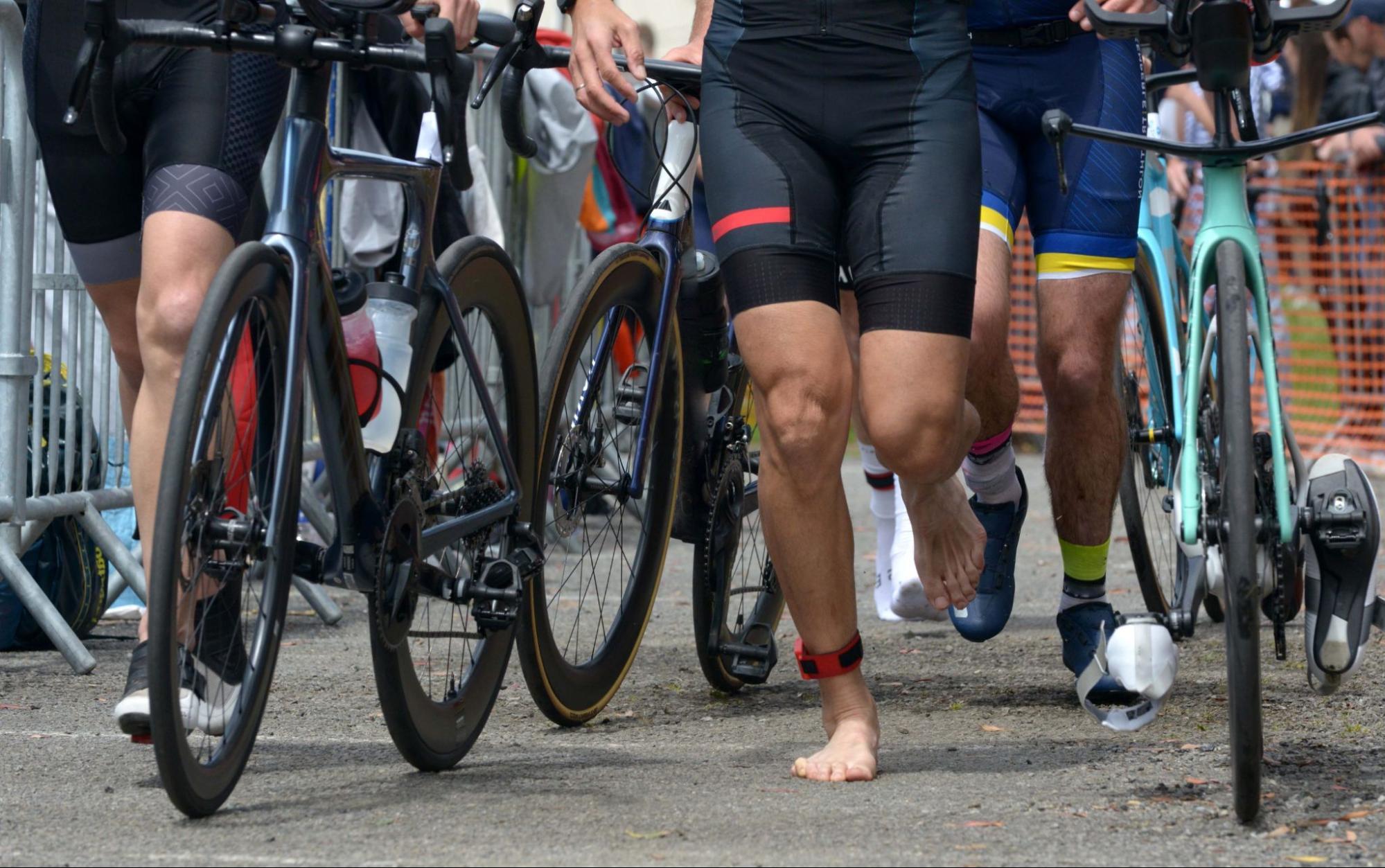
At the very top end of the road, gravel, mountain and e-bike categories, you will find specific models that are fully optimised to win races at the highest level of the sport of cycling. These models are all available to the public for purchase, but the improvements they bring are typically only noticeable in high-level racing environments, where the smallest aerodynamic optimisation or weight reduction could, in theory, be the deciding factor in a race. The cheapest elite race bikes cost over $11,000 or €10,000.
How Much You Should Spend and The Hidden Extras to Budget for
How much you spend on a bike is a completely personal choice that depends on what you can afford, how committed you are to cycling and the features and aesthetic you need and want. If you need a performance bike or e-bike, expect to pay more; if you need a second-hand runabout for quick urban trips, you could pick something up for as cheap as €100/$100.
Whatever you decide to spend on the bike itself, you'll likely need to leave space in your budget for accessories. If you're buying a new bike in a physical shop, they might throw in some of the basic accessories for free.
The type of riding you plan to do will determine the extras you need. For all riding, you should buy:
- Helmet
- Lights
- Puncture tools (Allen keys, tyre levers, spare tube, pump)
- A saddle bag or bottle for the tools
- Cycling water bottles
Many gravel, road and mountain bikers use:
Urban riders and commuters should buy:
What Actually Drives the Price
We've briefly mentioned some of the factors that drive price across the different tiers. Each part of a bike has huge scope for upgrades that significantly affect the price, especially the frame, groupset and wheels. As mentioned above, brand is also a major driver of price, with high-status brands setting the highest prices.
Frame – Material and Design
Steel, aluminium, titanium and carbon are the four most common materials used to manufacture frames. Aluminium is the cheapest to manufacture and most common material in the entry-level category, followed by steel. Carbon and titanium are the most expensive. The quality of the frame design plays a significant role in how a material feels to ride, with companies usually offering different grades of the same material at different price points, e.g. Cannondale SmartForm aluminium alloy C1, C2, C3. While carbon frames are generally more comfortable and responsive than aluminium, a high-end aluminium frame may perform better than a low-end carbon frame.
Drivetrain and Brakes
The groupset (drivetrain and brakes) is a major driver of a bike's cost in the higher tiers. For example, Shimano's third-tier 105 Di2 groupset costs around $1,000, the second tier costs $2,500 and the highest tier costs $4,500 (Dura-Ace). The majority of riders wouldn't notice the difference between the electronic versions of Shimano 105 and Dura-Ace; the price increase is mostly due to lower weight.
At the lower end, the cost difference between groupsets is less pronounced. For example, there has historically been only a $50 difference between Shimano's fourth and fifth tiers, Tiagra and Sora. The different groupset tiers from SRAM and Campagnolo follow similar pricing structures, but neither brand offers fully entry-level options.
The main differences between entry-level drivetrains are the number of gears and reliability of the shifting.
Most modern bikes have disc brakes, which can be hydraulic or mechanical. In almost all scenarios, hydraulic discs are preferred for their stopping power and reliability. Very few bikes are still sold with rim brakes, but they are a perfectly adequate, low-cost option for entry-level city bikes.
Wheels
In the performance category, wheels are a massive factor driving price. Like frames, aluminium rims are generally cheaper and less performant than carbon. Carbon rims are usually only found at the upper end of the mid-range and high-end tiers. Carbon spokes are also used on high-end wheelsets instead of steel spokes.
On hybrids, commuters, non-performance e-bikes and kids' bikes, wheel durability is more of a consideration than performance, so you're unlikely to see carbon used here. Instead, these bikes come with sturdy aluminium or steel rims, built to handle potholes, kerbs and the extra weight of racks, panniers or a child seat without complaint. They're heavier than carbon, sure, but that's a fair trade-off when your priority is a wheel that keeps rolling year after year rather than shaving off grams.
Buying New vs Used
Buying a new bike has the following advantages:
- Choose the exact model
- Choose the perfect size
- Get the latest technology
- Get a full guarantee and warranty
If you buy from a brick-and-mortar shop, they may allow you to make some component adjustments before purchase, and you'll begin a relationship that almost always works in favour of the buyers, as bike shops often provide free servicing on new bikes for a considerable period, give their expertise and advice and throw in some accessories.
Buying second-hand is usually much cheaper, as bikes depreciate as soon as they're ridden once, and they lose an additional chunk of their original value in the first two or three years. Buying a used bike at this point is the opportune moment to maximise your savings without ending up with outdated technology.
The used-bike platform Buycycle estimates that bikes lose 30% of their value the moment they're ridden, with bikes on its site sold at 30 to 60% below their original retail price. Opting to buy used saves on upfront costs but limits your choices and adds some risk, depending on where you buy the bike. You can mitigate that risk by buying from a bike shop or online retailer that buys used bikes and services them before sale.
Whether you decide to buy new or used, you can train on your bike indoors year-round with a smart trainer and ROUVY, which makes your money go further.