What is an endurance road bike?
You have probably felt this before. The ride starts well, legs turning easily, the sound of whirring tyres. A few hours later, nothing is technically wrong, but everything feels fatigued. Your hands buzz, your neck tightens, and you start counting the kilometres rather than enjoying them. At some point, the bike itself becomes part of the problem.
That is where endurance road bikes come into the picture. They are not about making riding easier in a boring way. They are about reducing the small stresses that add up over time, so your energy goes into moving forward rather than holding yourself together. For many riders, the difference is not obvious in the first thirty minutes, but very clear after three or four hours.
Geometry, comfort, stability
When you sit on an endurance road bike, the first thing you usually notice is that nothing feels rushed. The bars are a little higher, the reach a little shorter, and the wheelbase slightly longer. You are still in a proper road position, but your weight feels more evenly spread between hands, saddle, and pedals.
This geometry brings a sense of stability that shows itself on long descents, rough tarmac, and tired steering inputs. You do not need to brace your upper body as much, and the bike feels more relaxed when your concentration fades later in the ride. After all, stability is a kind of comfort too, especially when fatigue sets in.
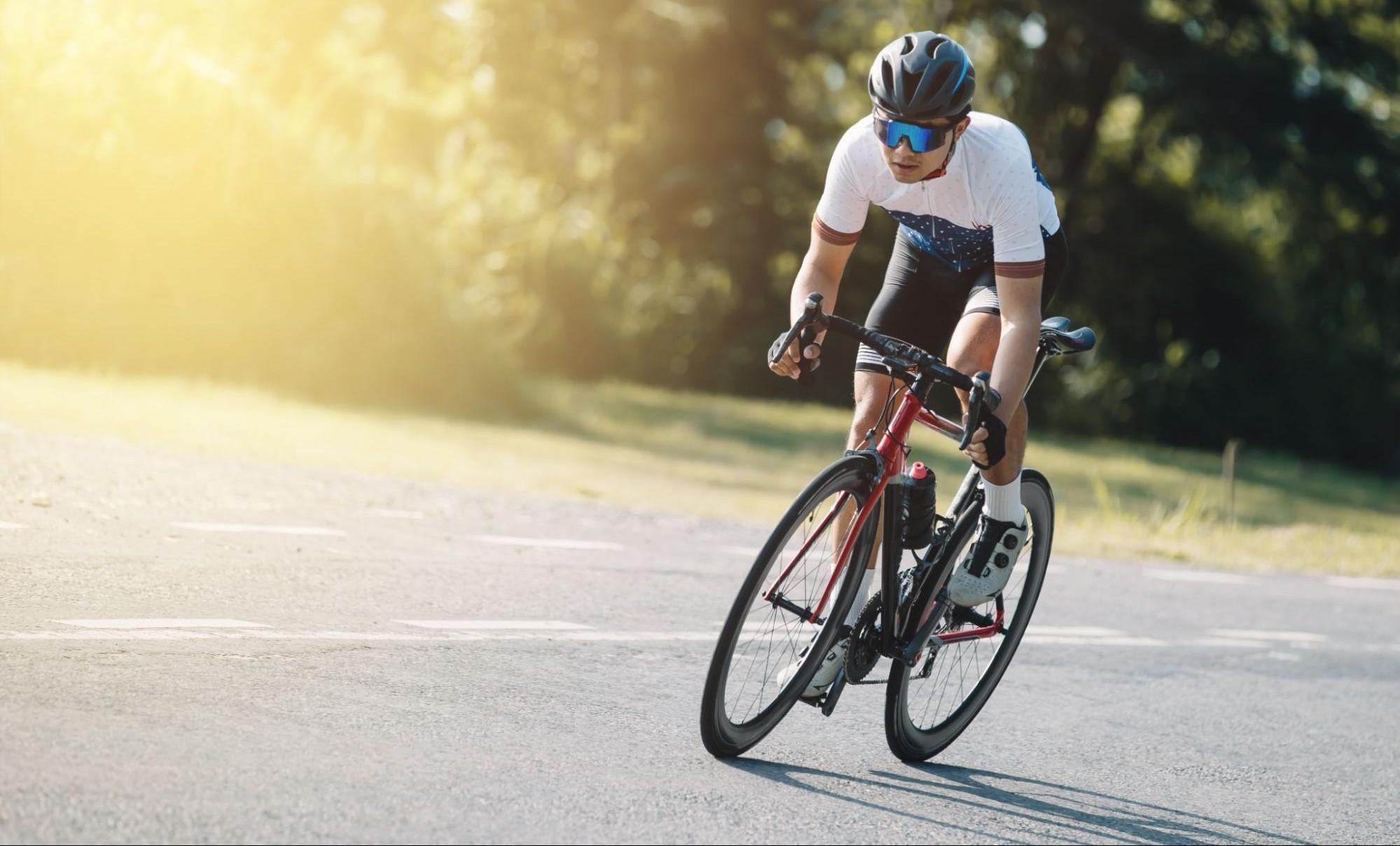
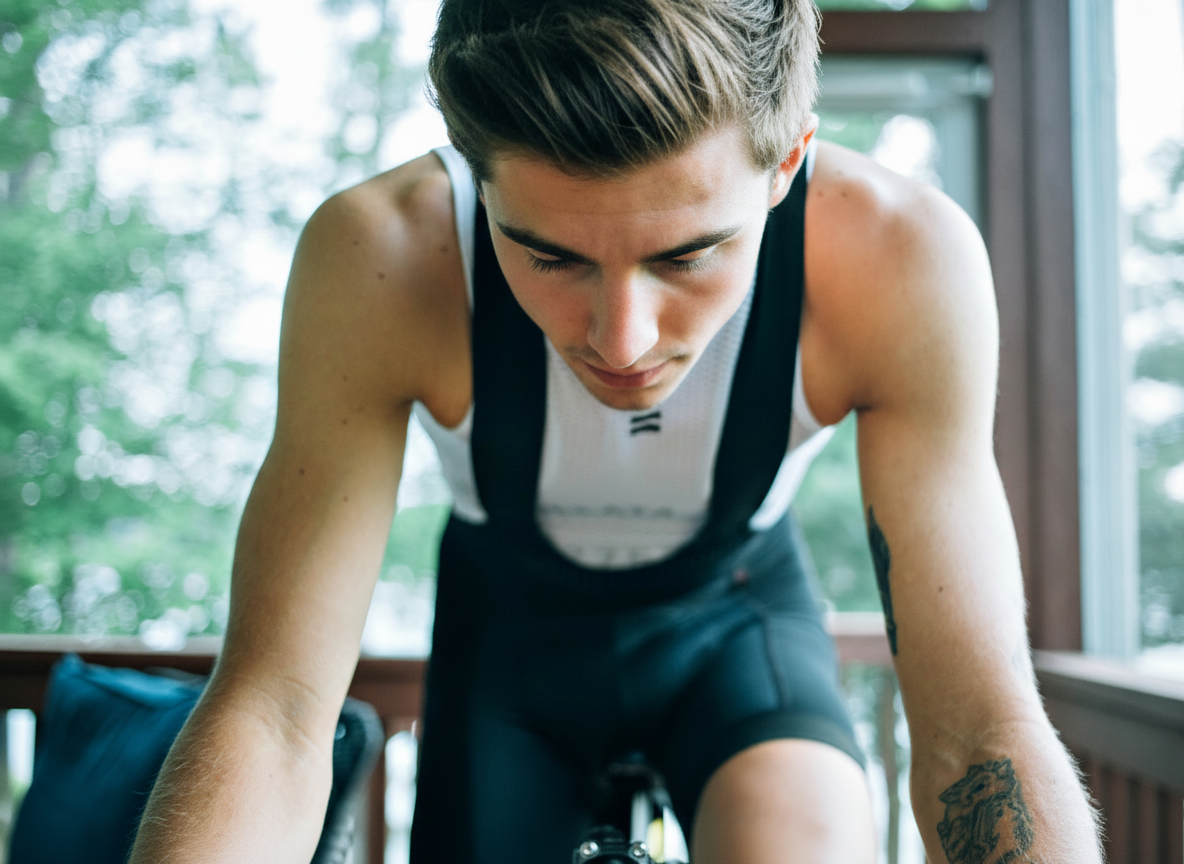
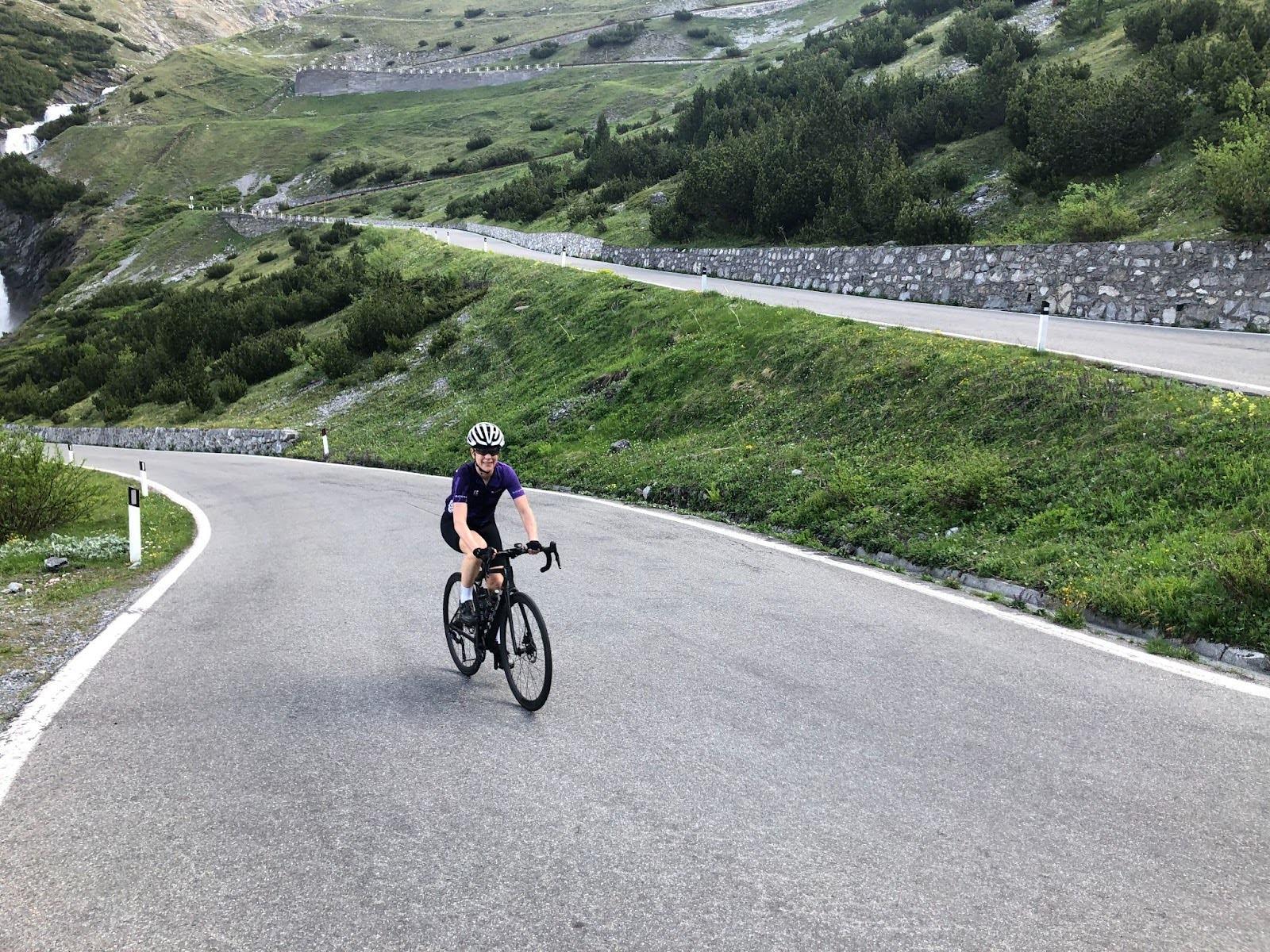 Above: A more relaxed position spreads your weight evenly across the bike, reducing strain on your hands, shoulders, and neck as the hours pass.
Why endurance bikes exist
Endurance bikes exist because many of us love long rides more than short efforts. We ride for hours, not minutes, and we care about how a bike feels at kilometre one hundred, not just kilometre ten. At some point, brands realised that copying race bike geometry for everyone made less sense than it once did.
Rather than being a compromise, endurance road bikes became a deliberate category. They acknowledge that comfort, fit, and confidence can unlock more distance, more consistency, and more enjoyment. And that is something a lot of riders quietly value, even if they do not always say it out loud.
Endurance road bike features
The sensations that define an endurance bike usually come from a collection of small design choices rather than one specific feature. You might not notice them individually, but together they change how the bike treats your body over time.
Frame compliance and vibration damping
Road buzz is subtle at first. It is a faint hum through the bars, a constant background vibration through the saddle. Over hours, that vibration becomes fatigue or even discomfort. Endurance road bikes are built to soften those signals before they reach you.
Manufacturers use specific frame shaping and built-in flex to filter road vibration before it reaches the rider. The goal is not to feel disconnected from the road, but to filter out the harshness that wears you down. You will still feel the surface, just without the constant vibration.
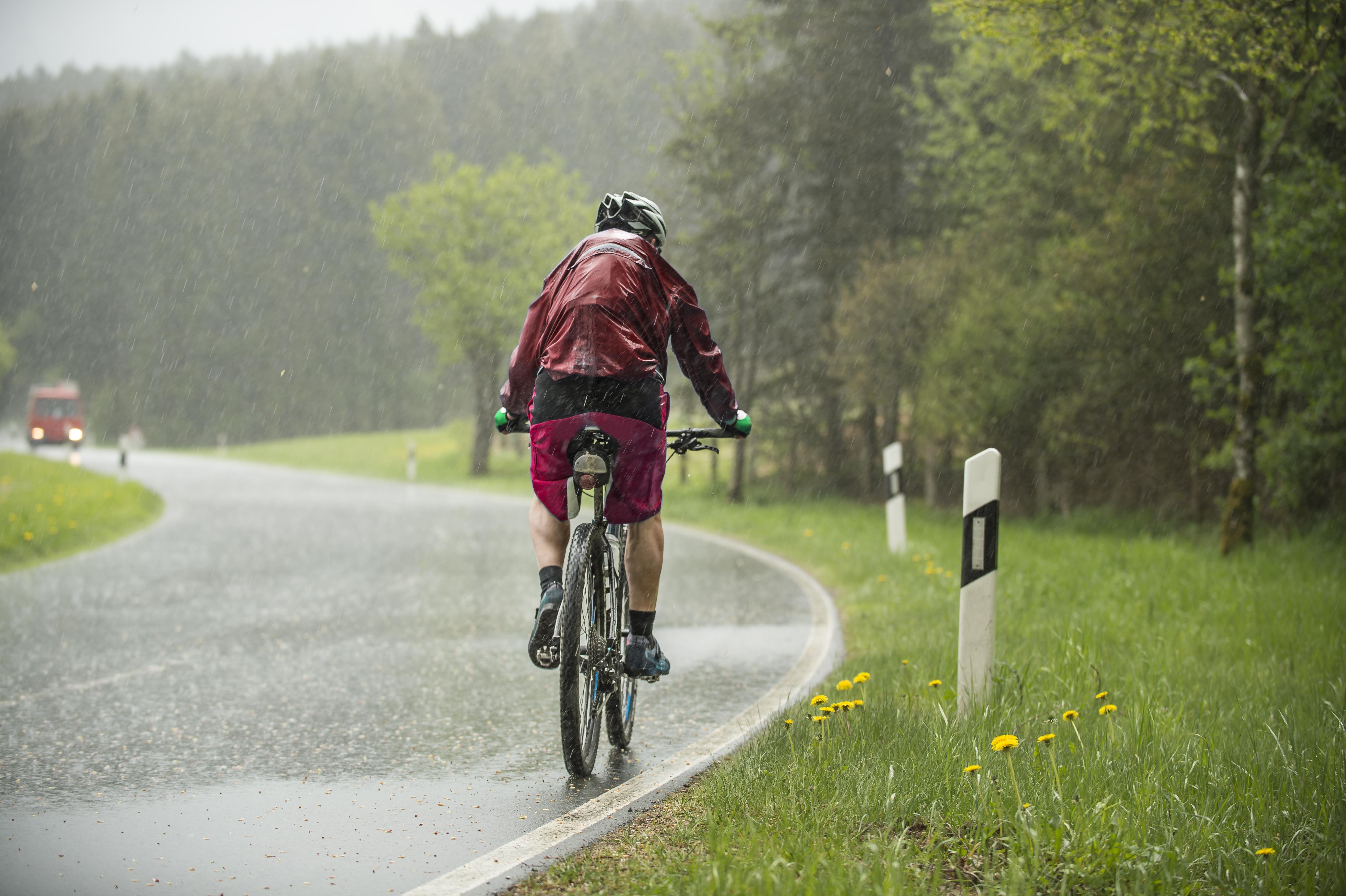
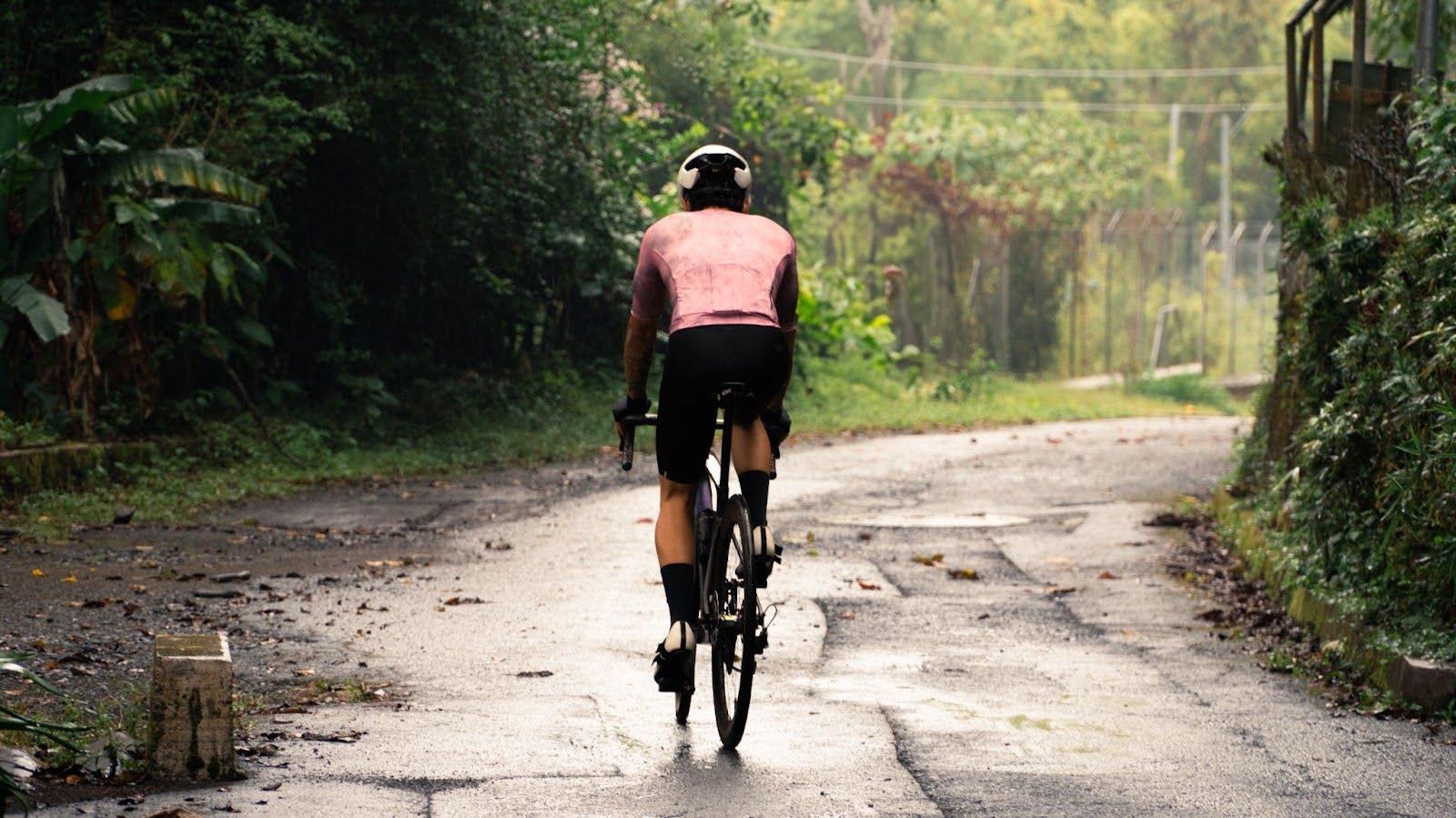 Above: Rough roads are where endurance bikes earn their place, filtering constant vibration that would otherwise build into fatigue over time.
Tyre clearance, mounts, disc brakes
Wider tyres have changed how endurance bikes feel more than almost anything else. Clearance for 32 mm tyres, and often more, allows lower pressures that smooth rough roads without sacrificing speed. With that in mind, endurance bikes usually feel faster over real-world surfaces, simply because they roll more easily when the road is slightly rough.
Disc brakes are now standard, offering consistent control in all conditions and freeing up frame design for bigger tyres. Many endurance bikes also include discreet mounts for mudguards or small bags, making them versatile year-round. You will notice how practical these touches feel once the weather turns or the rides get longer.
Endurance vs race vs budget road bikes
Standing between different road bike categories can feel confusing, especially when they all look similar at a glance. The differences only become clear when you think about how and where you actually ride.
Geometry and ride feel
Race bikes feel rigid and responsive. They reward an aggressive position and respond instantly to input, but they ask more from your body in return. Over long distances, that responsiveness can turn into tension, especially if flexibility or recovery is limited.
Endurance road bikes, by contrast, feel stable. The steering is a bit slower, the position more forgiving, and the ride easier when roads or conditions deteriorate. You still get efficiency and speed, just without the constant demand for an aggressive posture. Budget road bikes often share a relaxed position too, but they usually lack the refined frame compliance and handling that define true endurance models.
Which rider does each suit best
Race bikes suit riders who prioritise speed, group rides, and shorter, harder efforts. Budget road bikes suit riders who want an affordable way onto the road, often with heavier frames and simpler components.
Endurance bikes sit between those worlds. They suit riders who ride far, ride often, and care about how they feel at the end of the ride as much as at the start. And that is where many gran fondo and sportive riders naturally land, especially as experience grows.
Recommended endurance road bikes
You will often see the same names appear in the endurance category, and for good reason. Over the past few years, certain models have quietly earned a reputation for delivering long-distance comfort without sacrificing efficiency or control.
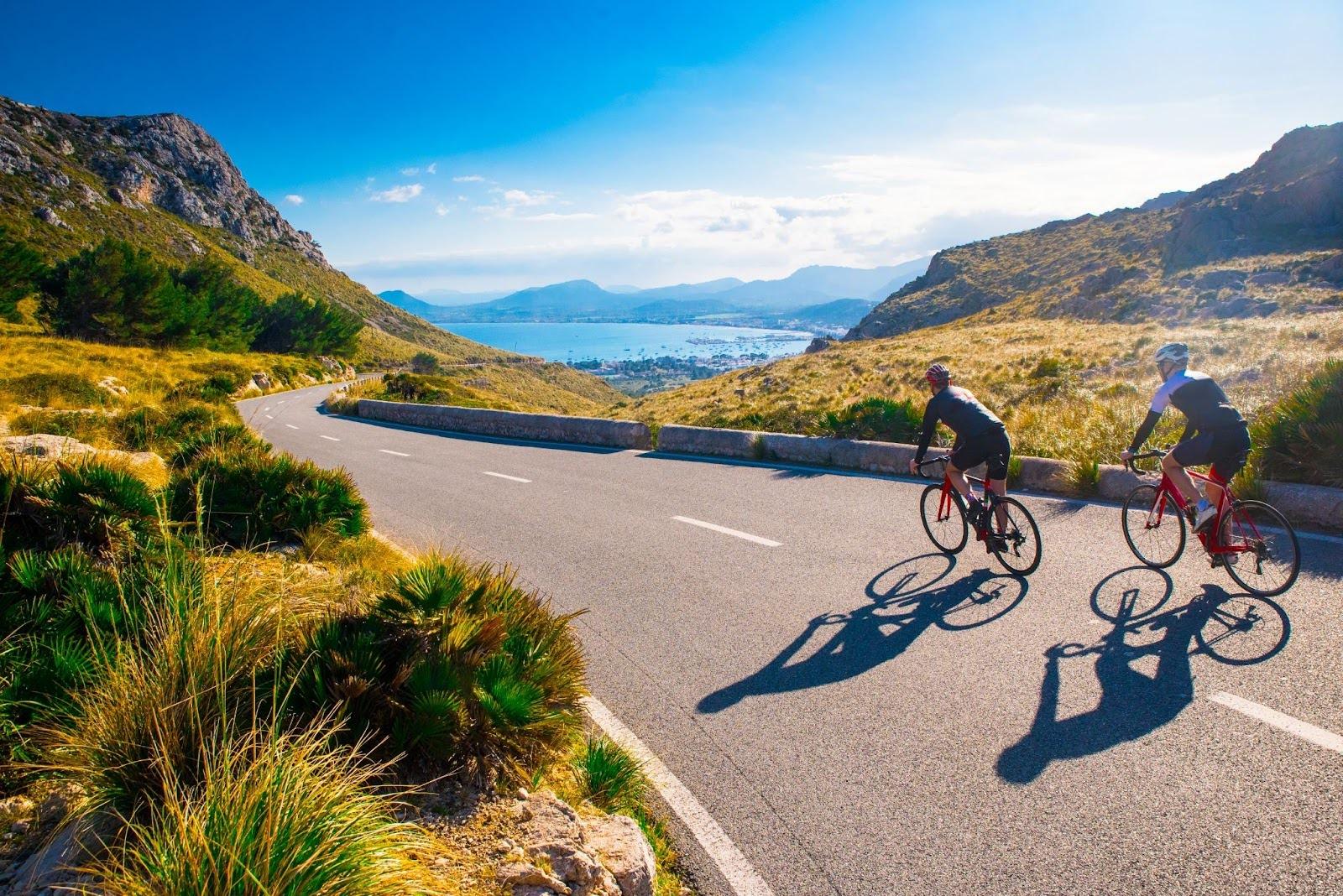
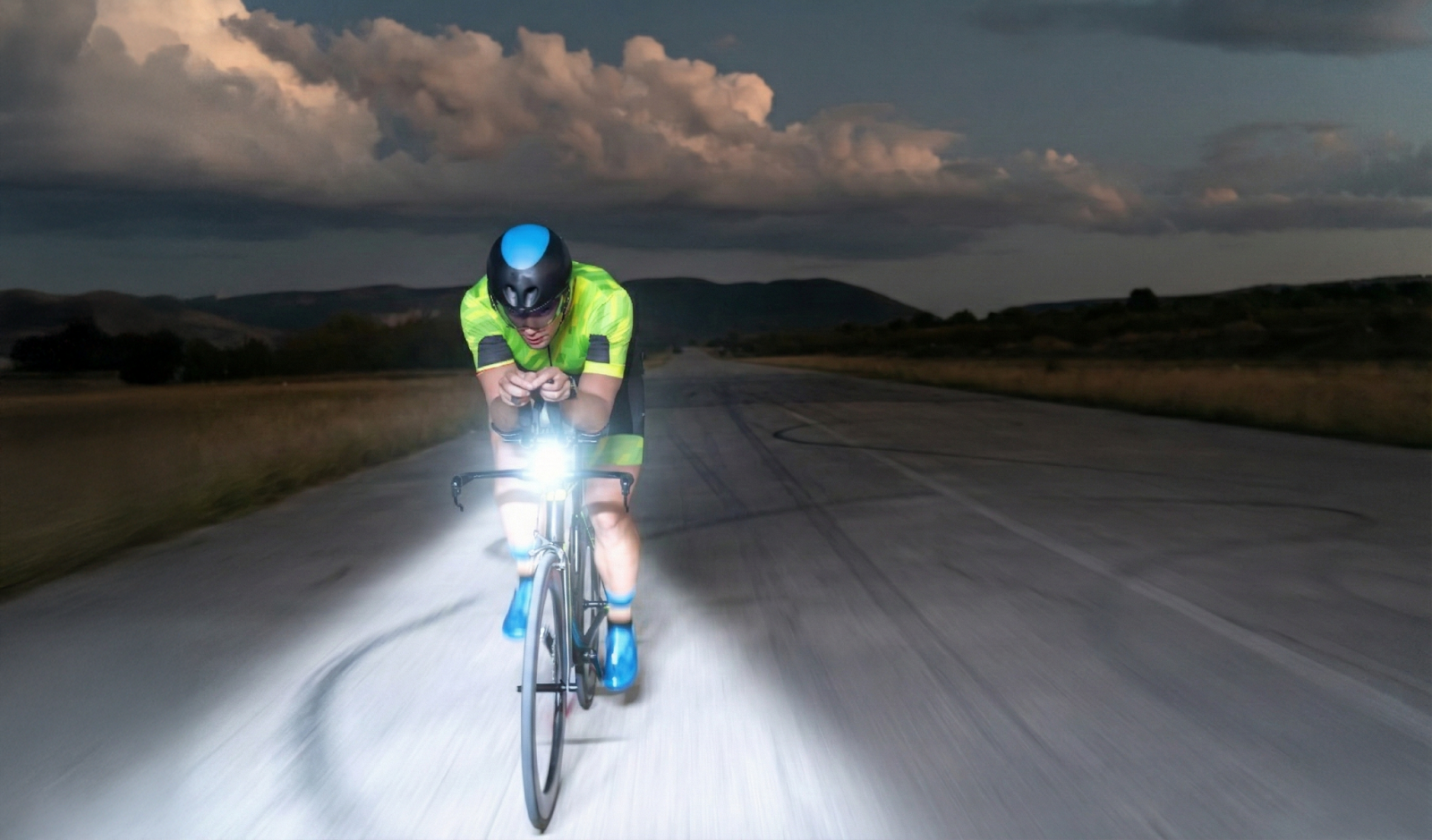
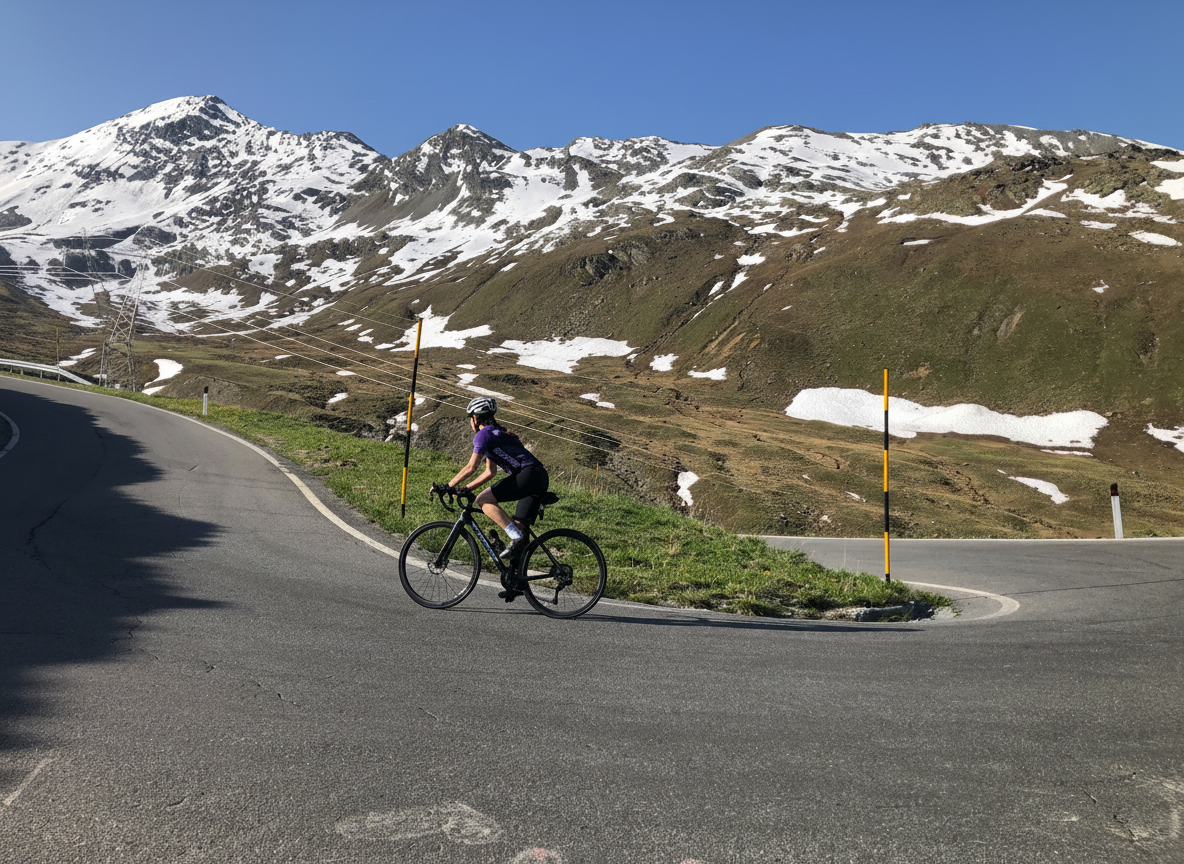 Above: Modern endurance bikes are designed for rides that unfold slowly, staying composed and predictable as terrain, weather, and fatigue change.
As of 2026, the bikes below continue to represent what a modern endurance road bike should feel like: stable, composed, and supportive over hours in the saddle. Each takes a slightly different approach, but all are built around the same idea that comfort and performance can work together rather than compete.
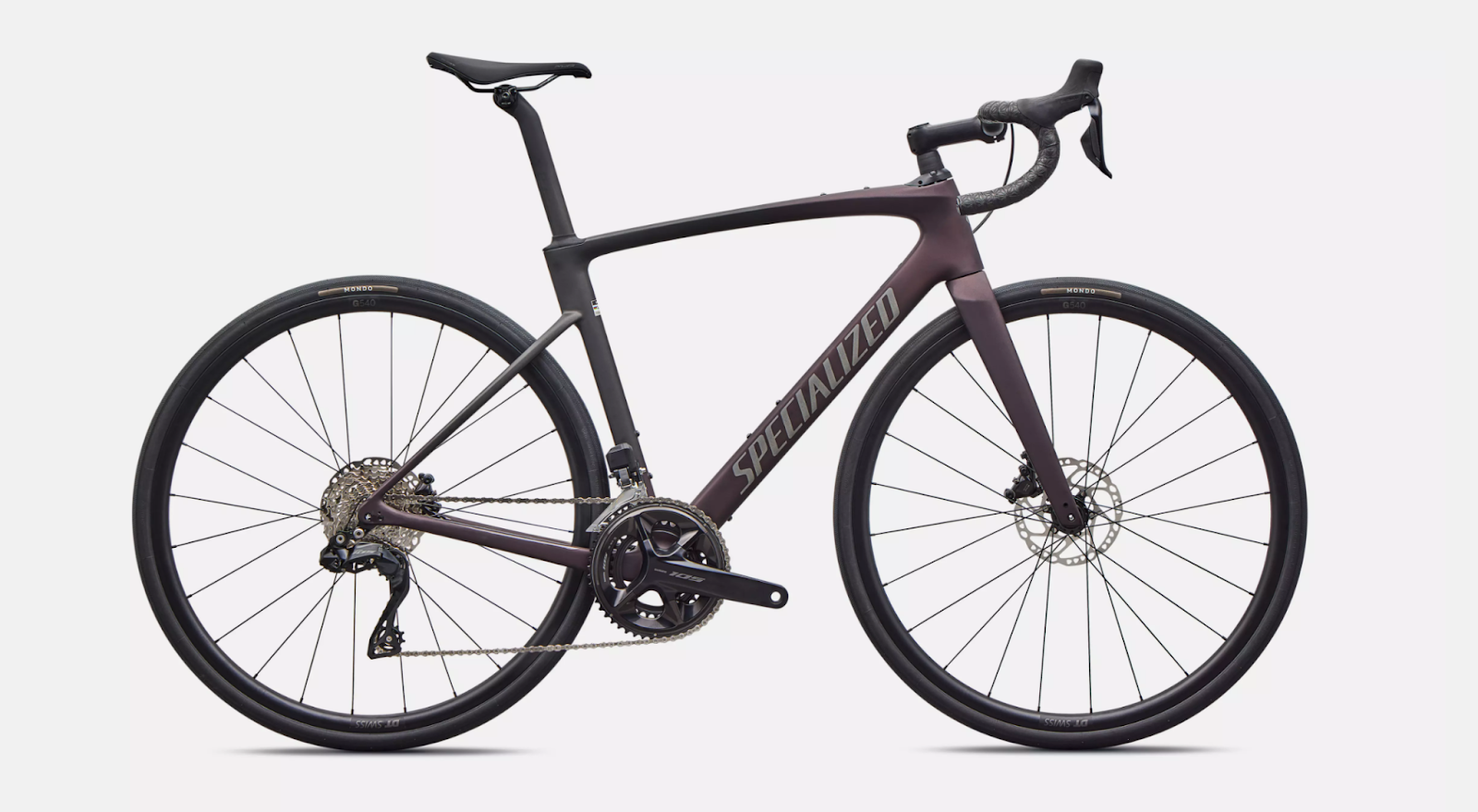
Specialized Roubaix Comp
The Roubaix Comp remains a benchmark in the endurance category, combining comfort-focused frame design with stable, confidence-inspiring handling on rougher road surfaces. It smooths long Sportives and high-mileage weeks without feeling sluggish, appealing to riders who want performance that stays comfortable as the hours build.
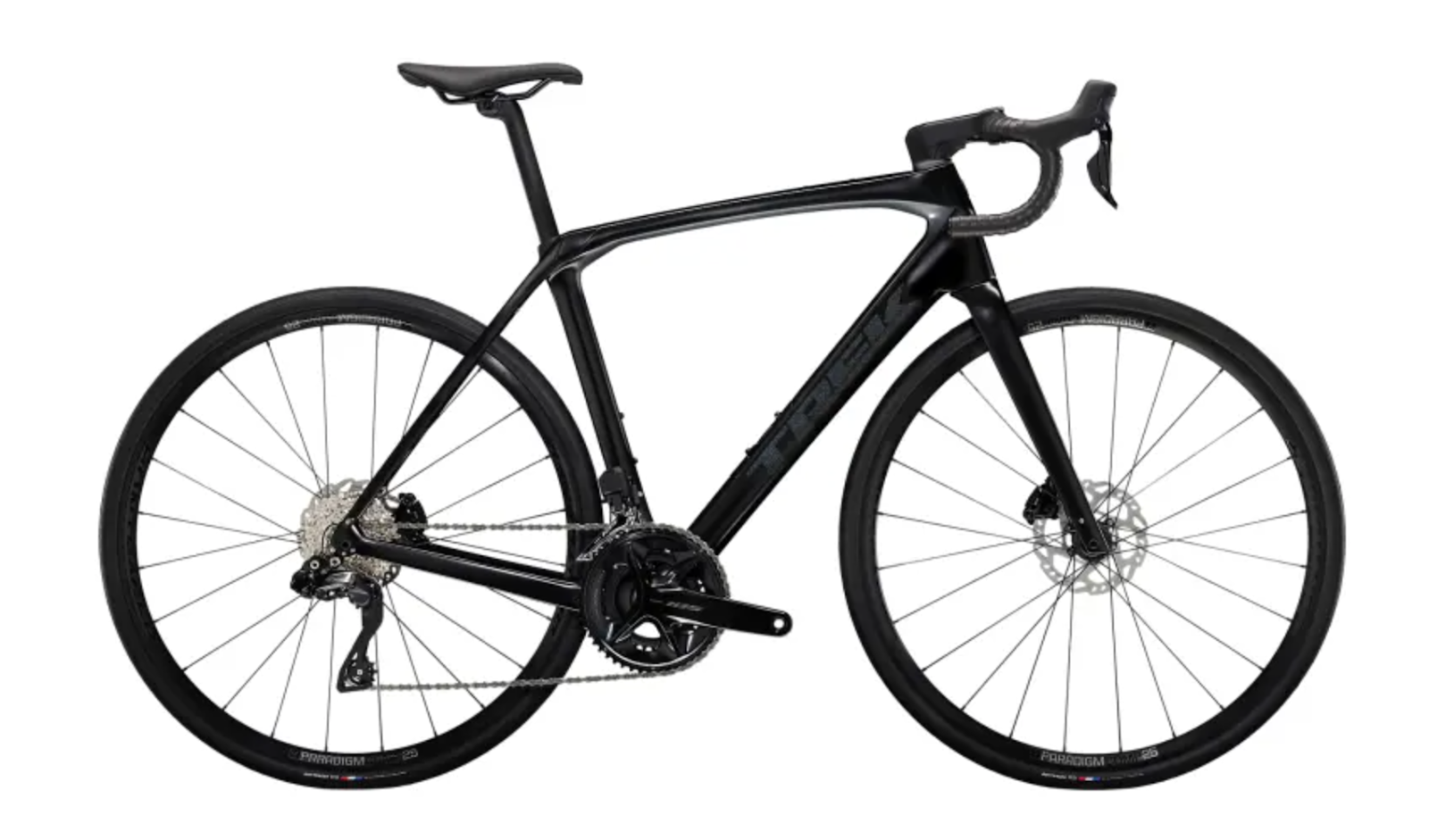
Trek Domane SL6
The Domane SL 6 combines endurance geometry with Trek’s compliance-focused design, creating a ride that feels calm and controlled over imperfect roads. It suits riders who prioritise long-term comfort while still wanting efficiency and responsiveness when the pace naturally lifts.
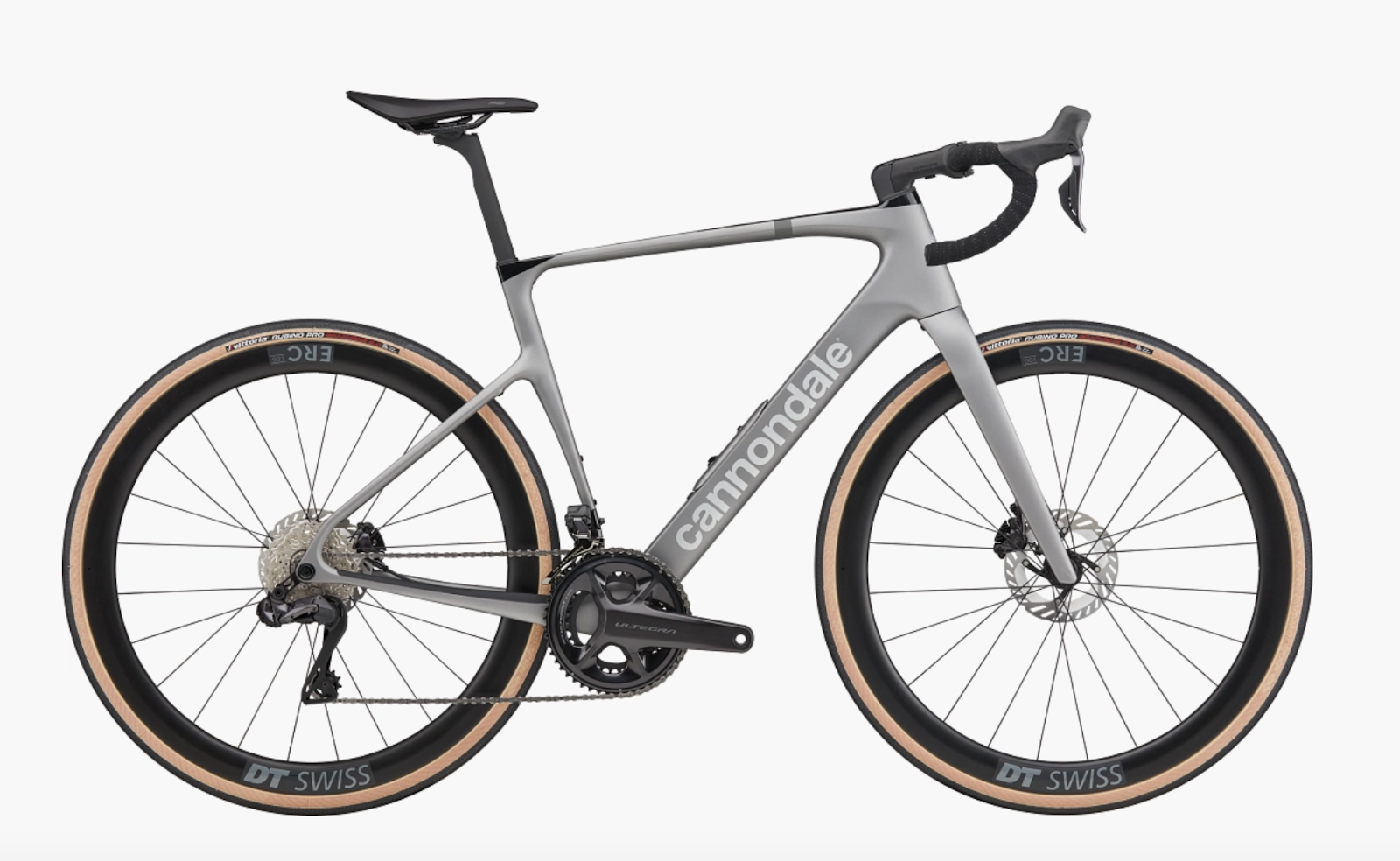
Cannondale Synapse Carbon 2
The Synapse Carbon 2 pairs lightweight carbon construction with endurance-oriented positioning, delivering comfort that never feels dull. It offers a lively yet forgiving ride quality that supports longer routes without demanding an aggressive posture.
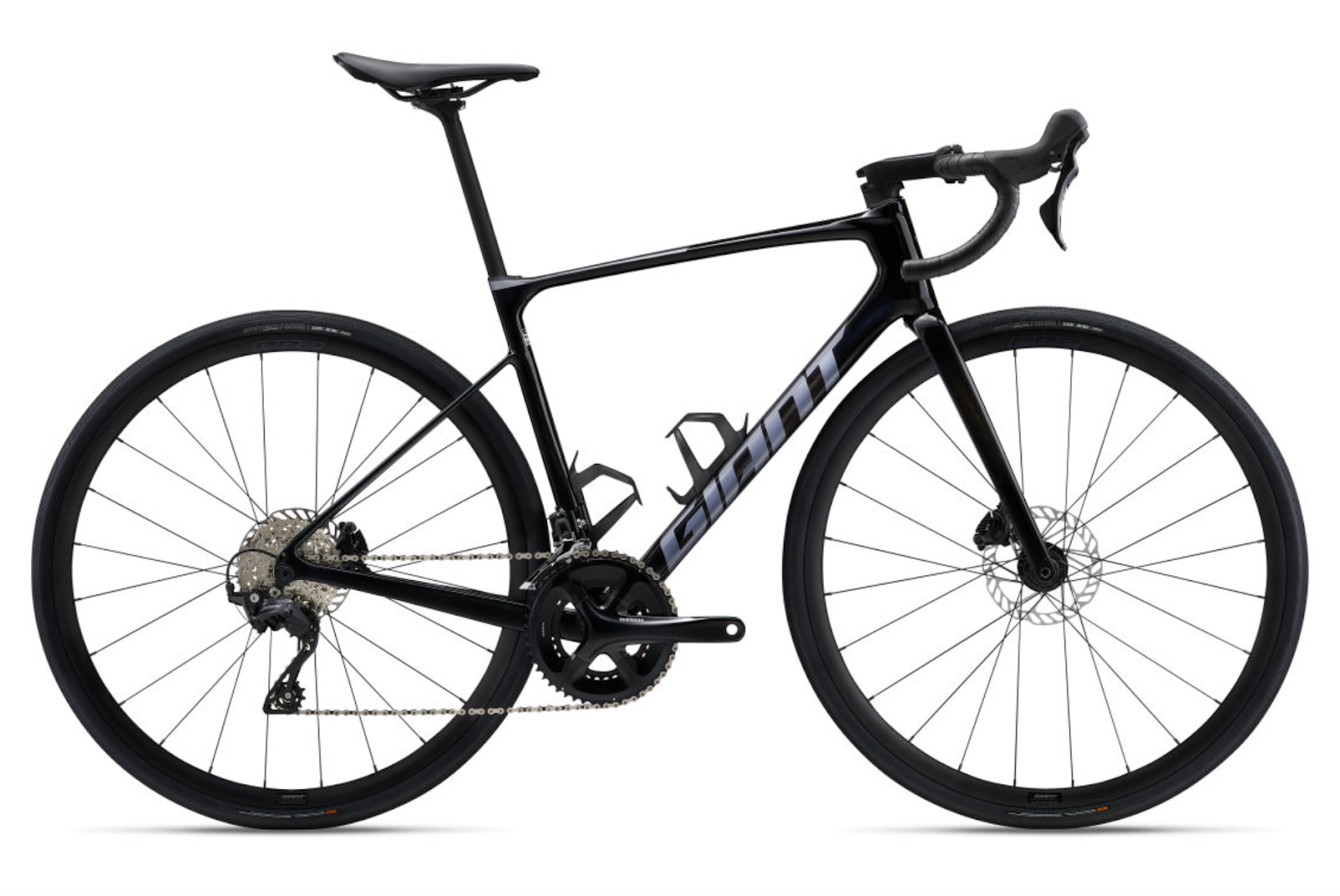
Giant Defy Advanced 2
The Defy Advanced 2 is built around stable handling and generous tyre clearance, helping it stay composed across mixed road conditions. It feels predictable and steady over distance, making it a reliable choice for riders building higher weekly mileage.
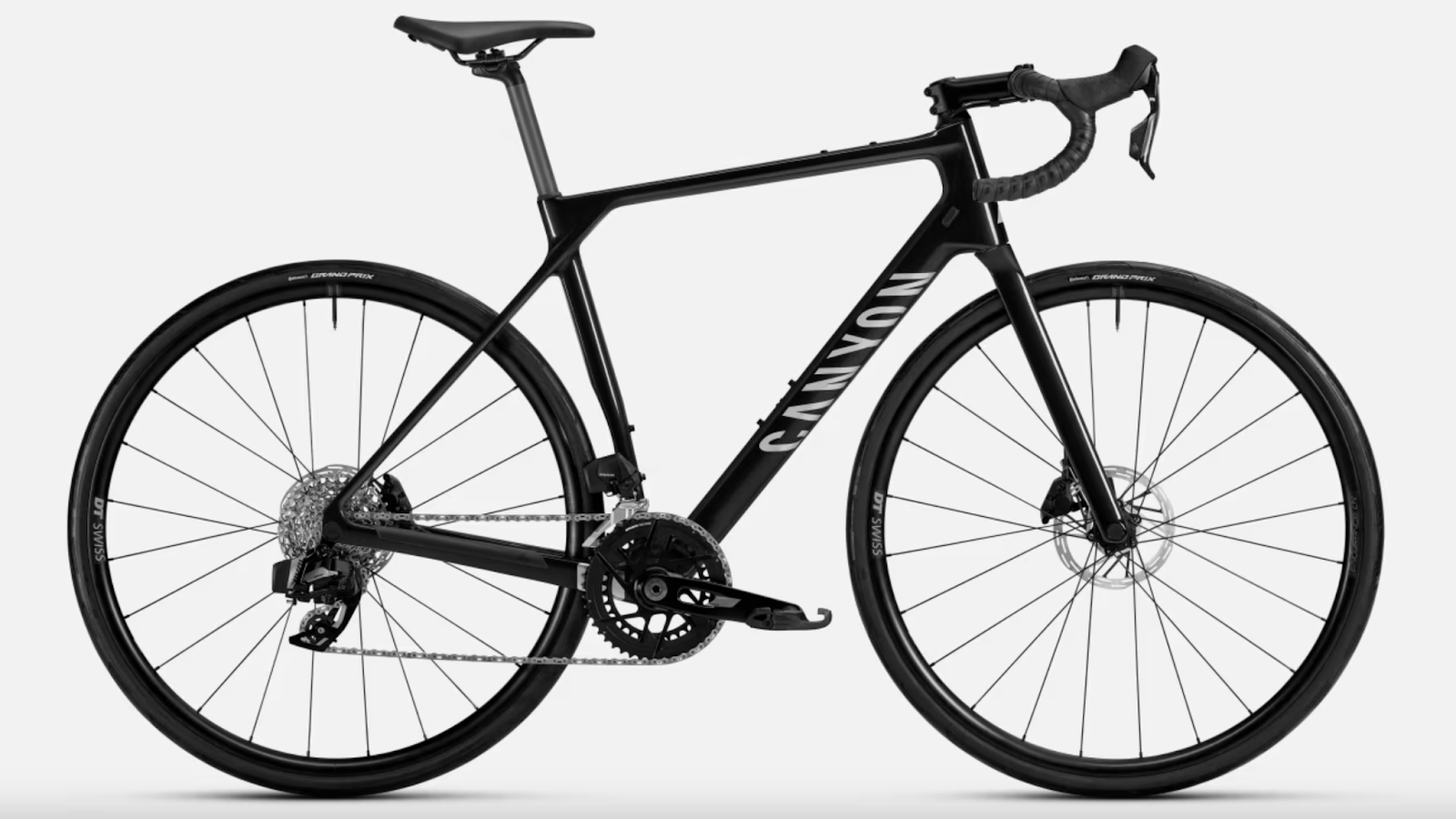
Canyon Endurace CF 7 AXS
The Endurace CF 7 AXS combines relaxed endurance geometry with smooth carbon compliance, reducing fatigue on rougher tarmac. It maintains an engaging road feel, making it a strong option for riders moving from race bikes toward something more forgiving.
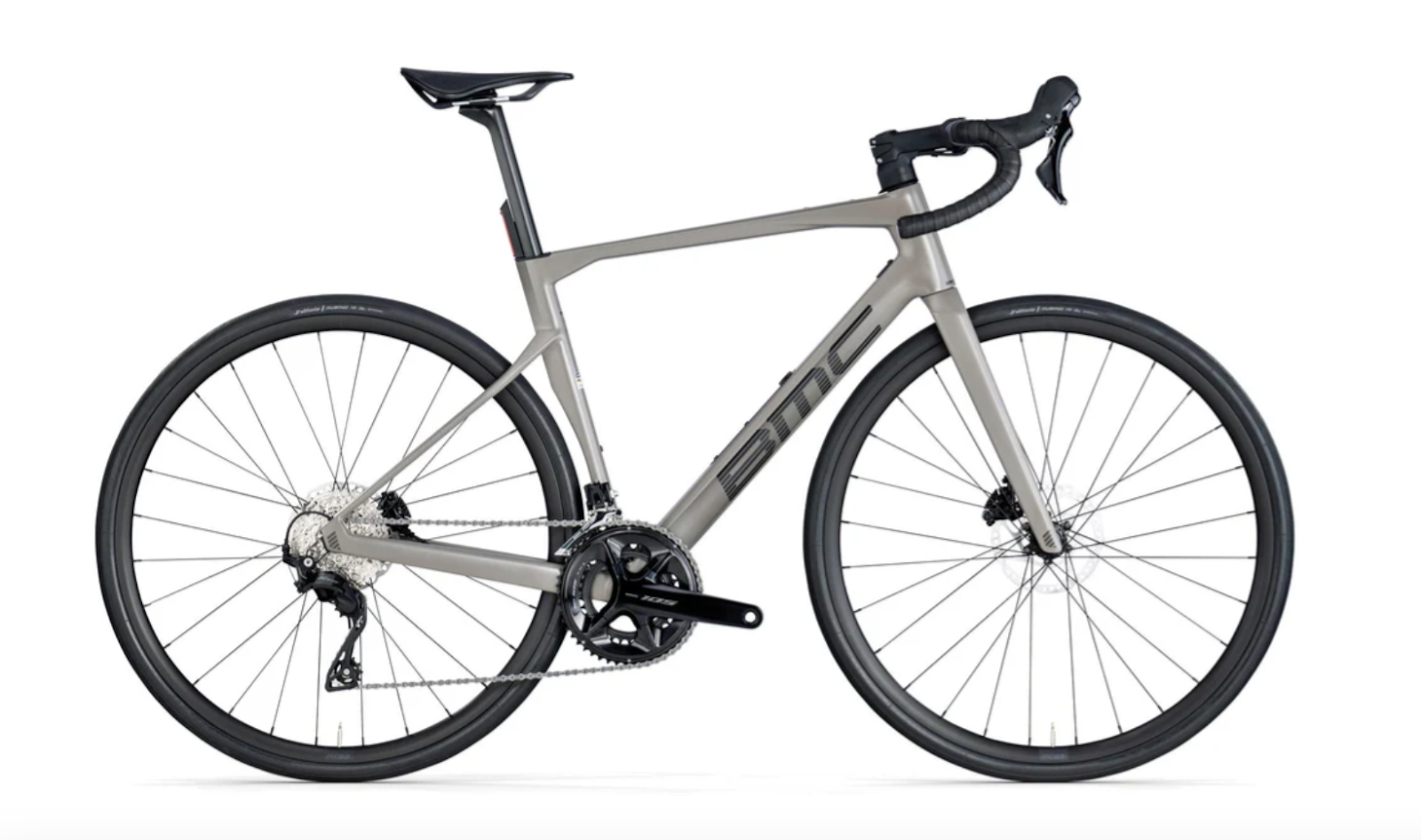
BMC Roadmachine: Roadmachine 03
The Roadmachine Three balances precise handling with tuned vibration control, giving it a refined and composed character across varied terrain. It supports long alpine climbs and fast descents with good stability, fitting naturally into the rhythm of endurance riding.
After all, it is this combination of geometry, compliance, and thoughtful design that defines modern endurance bikes, not any single headline feature.
How to choose the right endurance bike
Choosing an endurance bike is less about chasing specifications and more about recognising your own habits. You already know how your body feels after long rides, and that experience is the best guide.
Fit, budget, riding style
Fit matters more here than almost anywhere else. A slightly higher front end or shorter reach can transform how long you can ride comfortably. For many riders, professional fitting or careful test rides make a bigger difference than carbon grades or component tiers.
Budget should support consistency, not stretch it. A well-fitted mid-range endurance bike will always outperform a top-tier bike that leaves you sore or tense. And with that in mind, consider where you ride most, how often, and in what conditions.
Balancing comfort vs performance
There is sometimes a fear that choosing comfort means giving up speed. In practice, endurance bikes often allow riders to maintain pace longer simply because they feel better and more comfortable for longer. You might not sprint as sharply, but you will finish stronger.
At some point, comfort becomes performance, especially on rides that last for many hours. And that balance is exactly what endurance bikes are designed to deliver.
Maintaining comfort on long rides
Even the best endurance bike works best when the contact points support it. Comfort comes from a system, not just a frame.
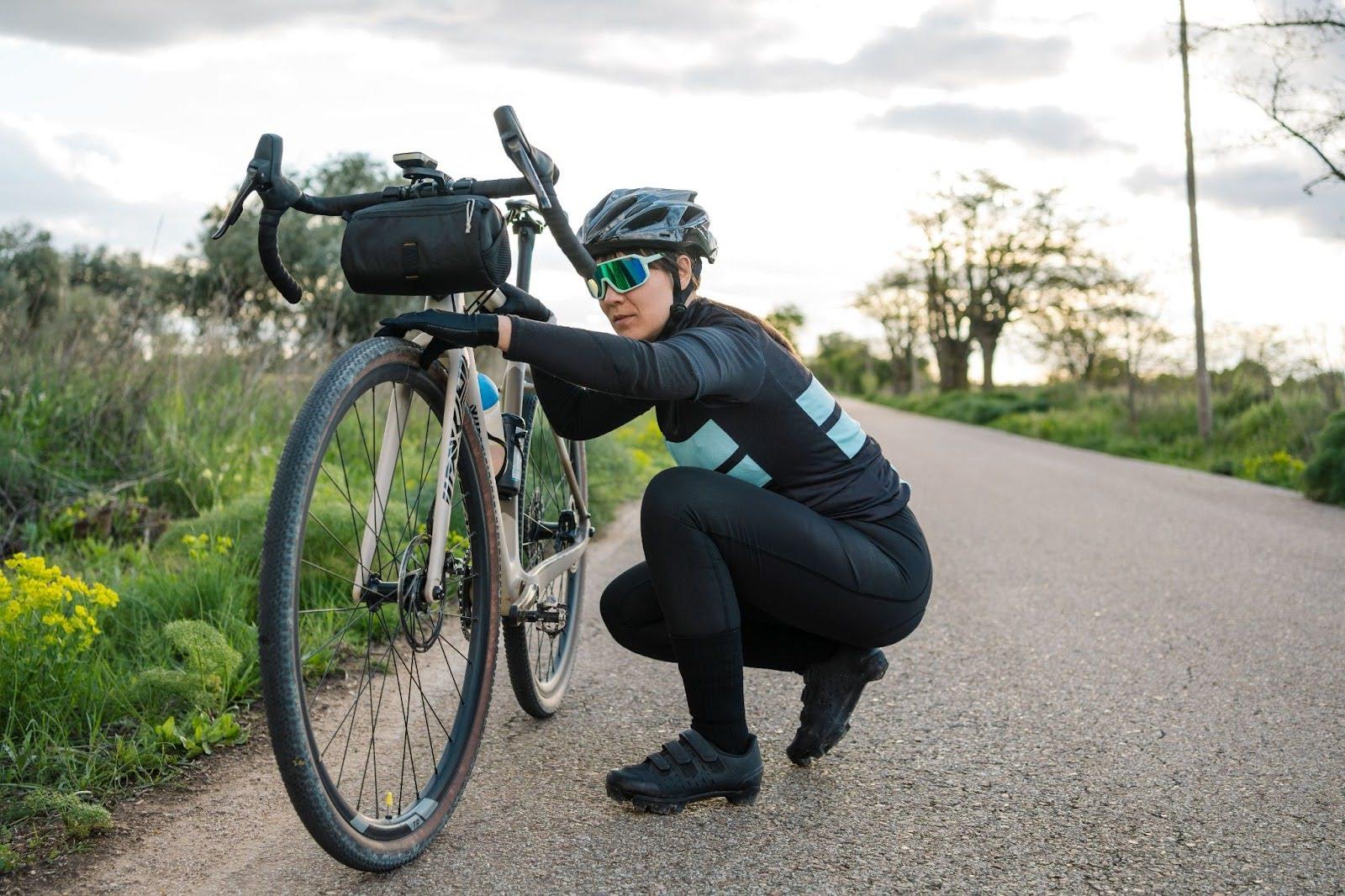
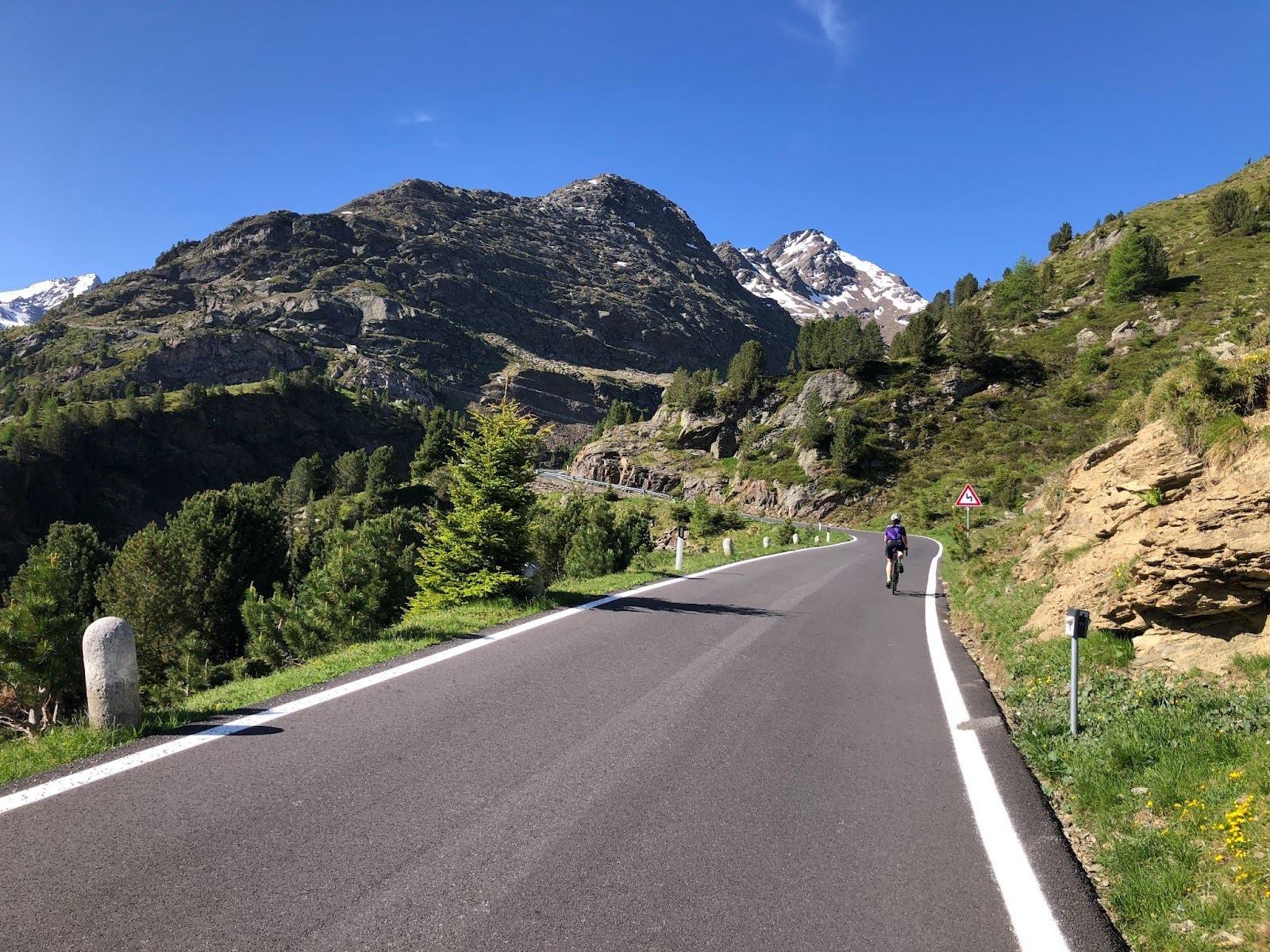 Above: Comfort on long rides is rarely about one adjustment. It comes from a position and setup that let you settle into a rhythm and stay there.
Saddle, tyres, position, nutrition
A supportive saddle that suits your anatomy, tyres set to appropriate pressures, and a position that allows relaxed breathing all contribute to how the bike feels over hours. Small adjustments here often make a bigger difference than changing the bike itself.
Nutrition and pacing matter too, but not rigidly or obsessively. Eating regularly, drinking enough, and riding within a rhythm you can sustain help your body stay relaxed. You will notice how much smoother everything feels when fatigue arrives later rather than sooner.
Why endurance bikes are worth it
Endurance road bikes do not shout about what they do. They simply make long rides feel more manageable, more enjoyable, and more repeatable. You finish rides with energy left to notice where you have been, not just relief that it is over.
For many riders, that quiet reliability is the real appeal. Endurance bikes are not budget road bikes in disguise, and they are not dulled-down race bikes either. They are purpose-built tools for riding far, often, and well. And once you have spent enough hours in the saddle, that difference tends to speak for itself.
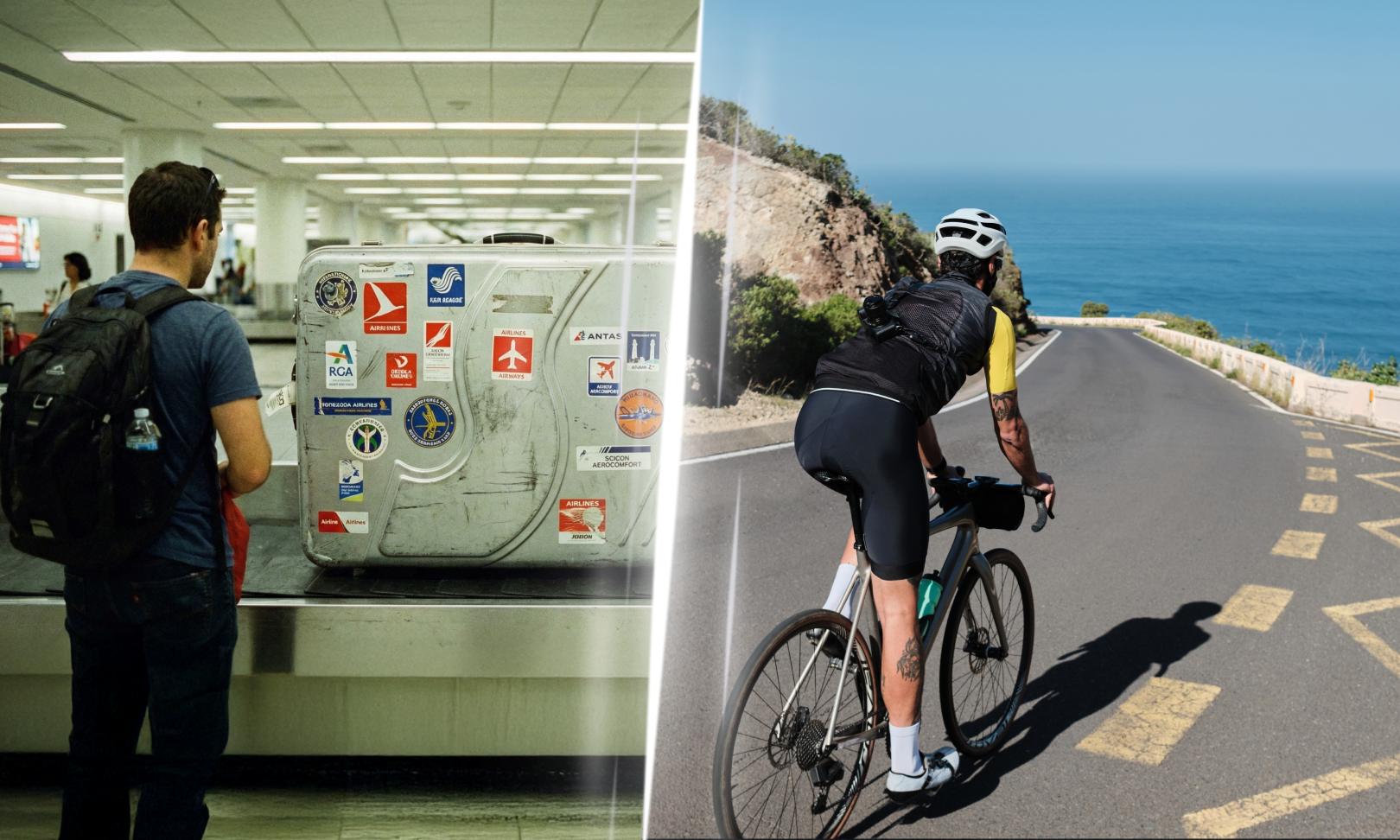
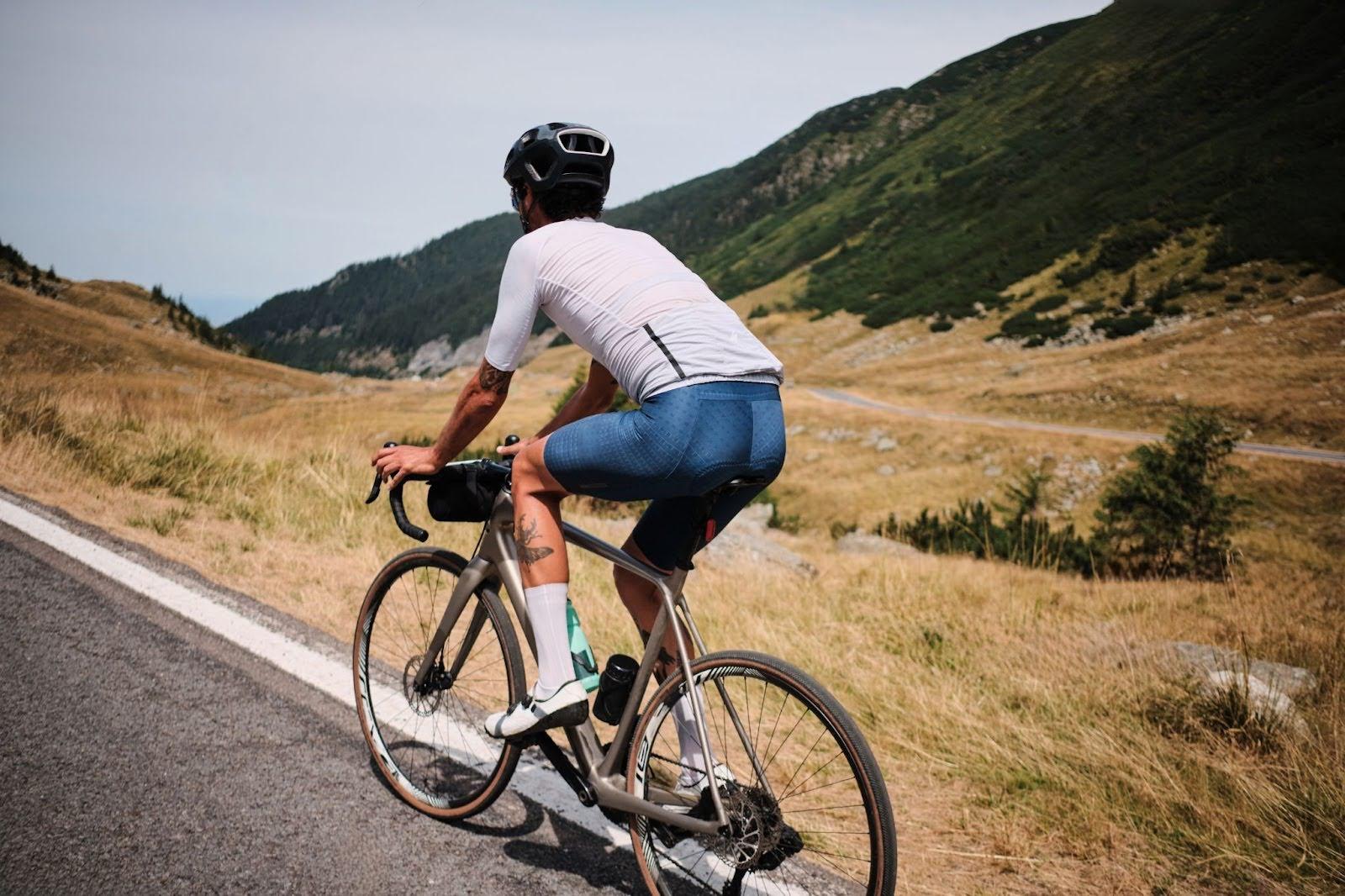 Above: Long rides reward consistency and calm. Endurance bikes are designed to support that feeling as distance quietly builds.