Spinning is one of the best ways to improve cycling performance, regardless of experience level. It’s a cardiovascular workout that simulates outdoor pedaling, helping to build endurance, strength and technique without relying on terrain. For beginner cyclists, spinning is a key tool to enhance fitness, pedaling efficiency and the ability to handle long sessions on the bike.
To maximize the benefits of spinning, proper technique, bike setup, and structured training are crucial. Otherwise, discomfort or even injury may hinder your progress.
Why spinning matters – and where indoor cycling goes further
We’re writing about spinning because for many people, a spin class is the first step into cycling-based fitness. Spinning classes are accessible, motivating and beginner friendly, making them an excellent way to learn basic skills like proper spinning posture, cycling cadence and how to manage spin-bike resistance without the stress of traffic or weather
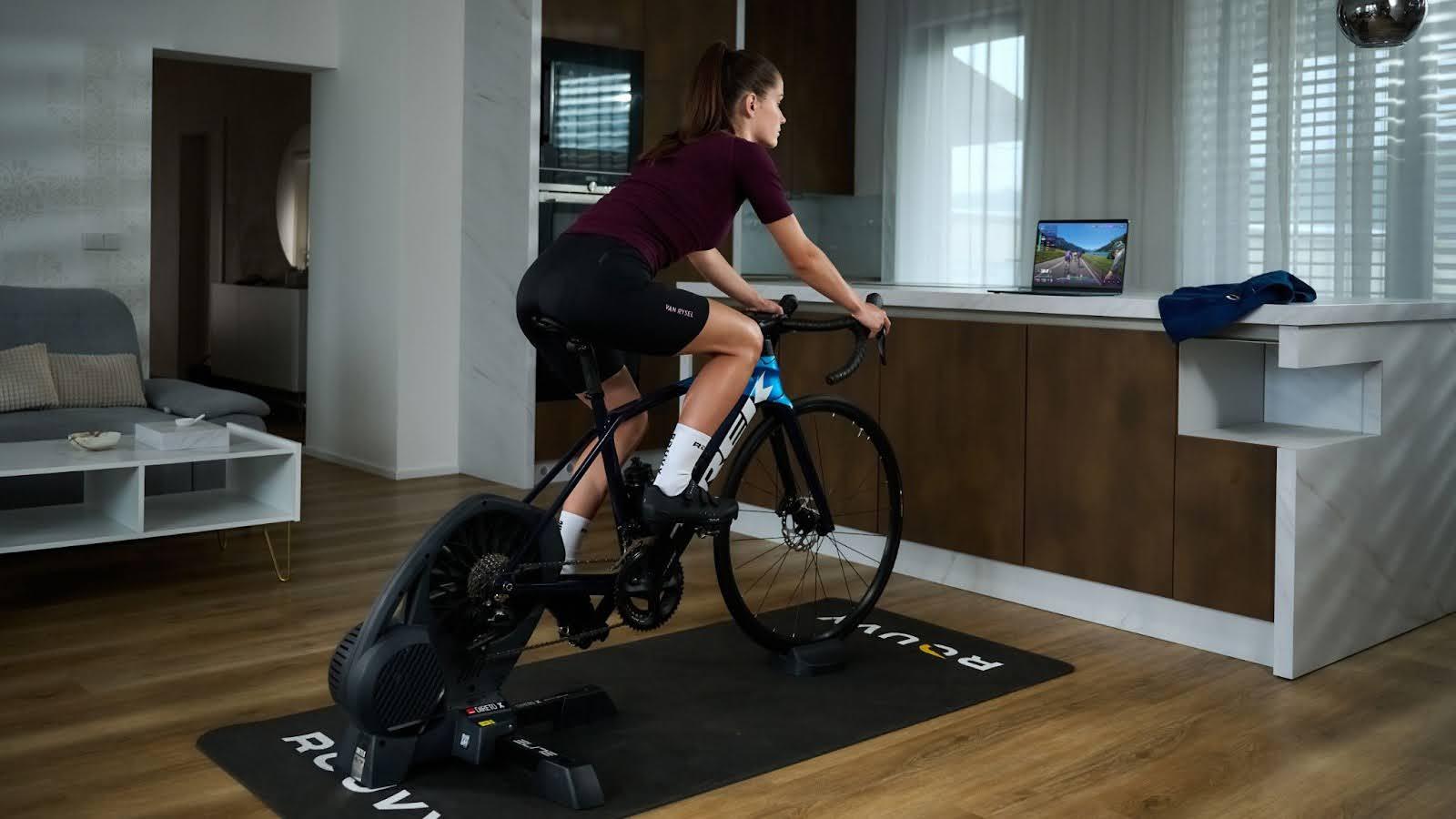
That said, spinning and indoor cycling are not the same. Traditional spinning focuses on general fitness and rhythm, often guided by music and instructor cues. Indoor cycling platforms like ROUVY build on that foundation by adding structure, realism, and progression. Instead of guessing resistance levels, you train with real gradients, clear targets, and measurable outcomes – key elements of effective indoor cycling technique and long-term improvement.
Think of spinning as a gateway. It teaches confidence, coordination, and endurance. Indoor cycling on ROUVY then takes those skills further, helping newbies turn a beginner spinning workout into purposeful indoor cycling, with clearer goals and better transfer to real cycling performance.
How to use spinning to improve cycling: Key tips for beginners
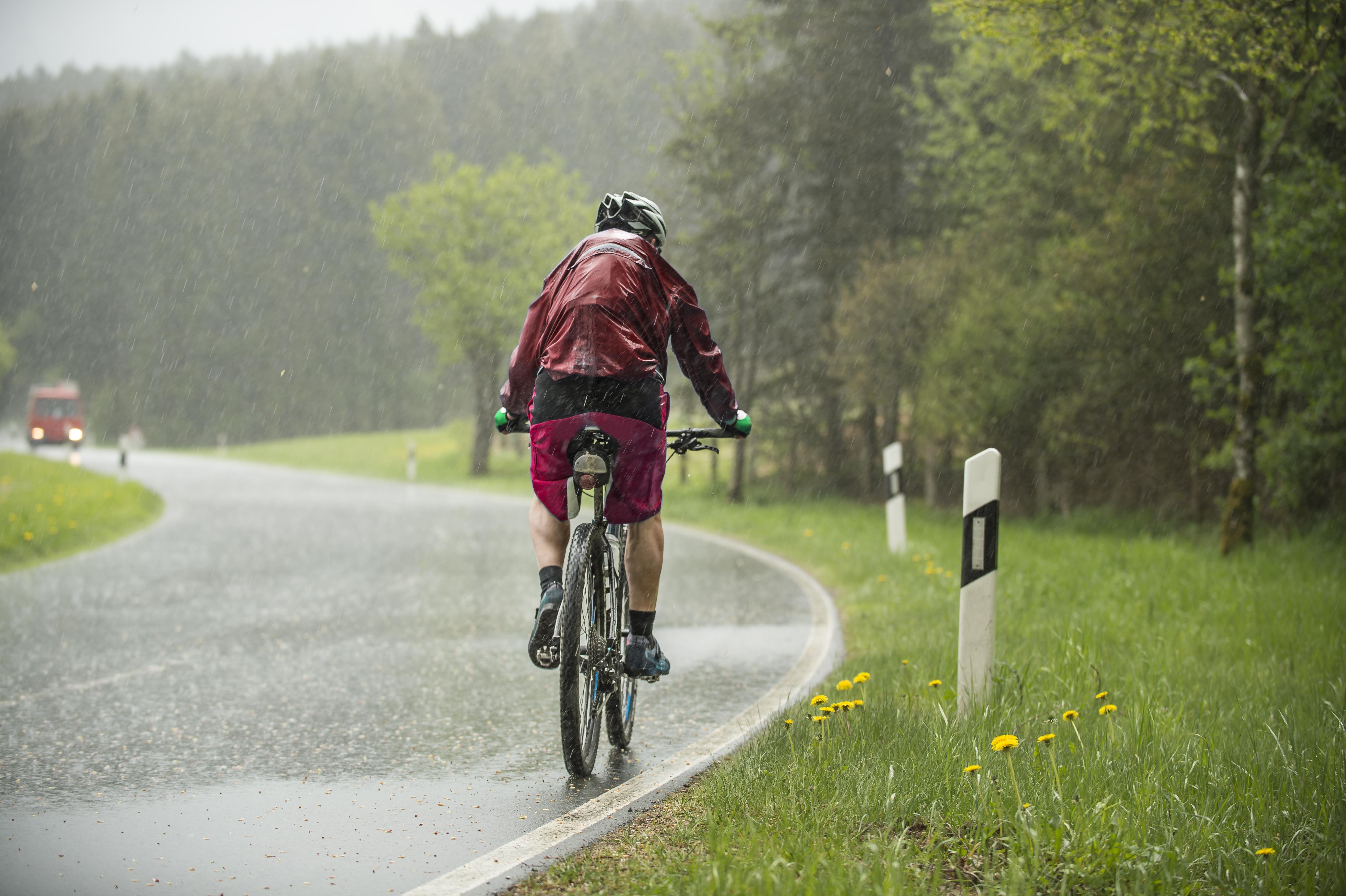
Spinning has become an essential training tool for cyclists, especially for those who are just starting their journey in the world of cycling. Spinning’s indoor format allows consistent training regardless of weather or road conditions.
This flexibility is a significant advantage, as it enables consistent and controlled training at any time of the day.
Beyond being a cardiovascular workout, spinning directly enhances muscular endurance, particularly in the muscle groups involved in pedaling, such as the quadriceps, glutes and lower back muscles.
Through sessions that simulate pedaling on different terrains, these muscles are strengthened, resulting in greater power with each pedal stroke.
Additionally, by working on cadence and pedaling technique, spinning not only improves endurance but also enhances pedaling efficiency. Increasing cadence (revolutions per minute) helps develop a more economical use of energy, allowing cyclists to maintain a steady pace without depleting their energy reserves too quickly.
High-intensity interval training also boosts recovery, benefiting both spinning and outdoor cycling.
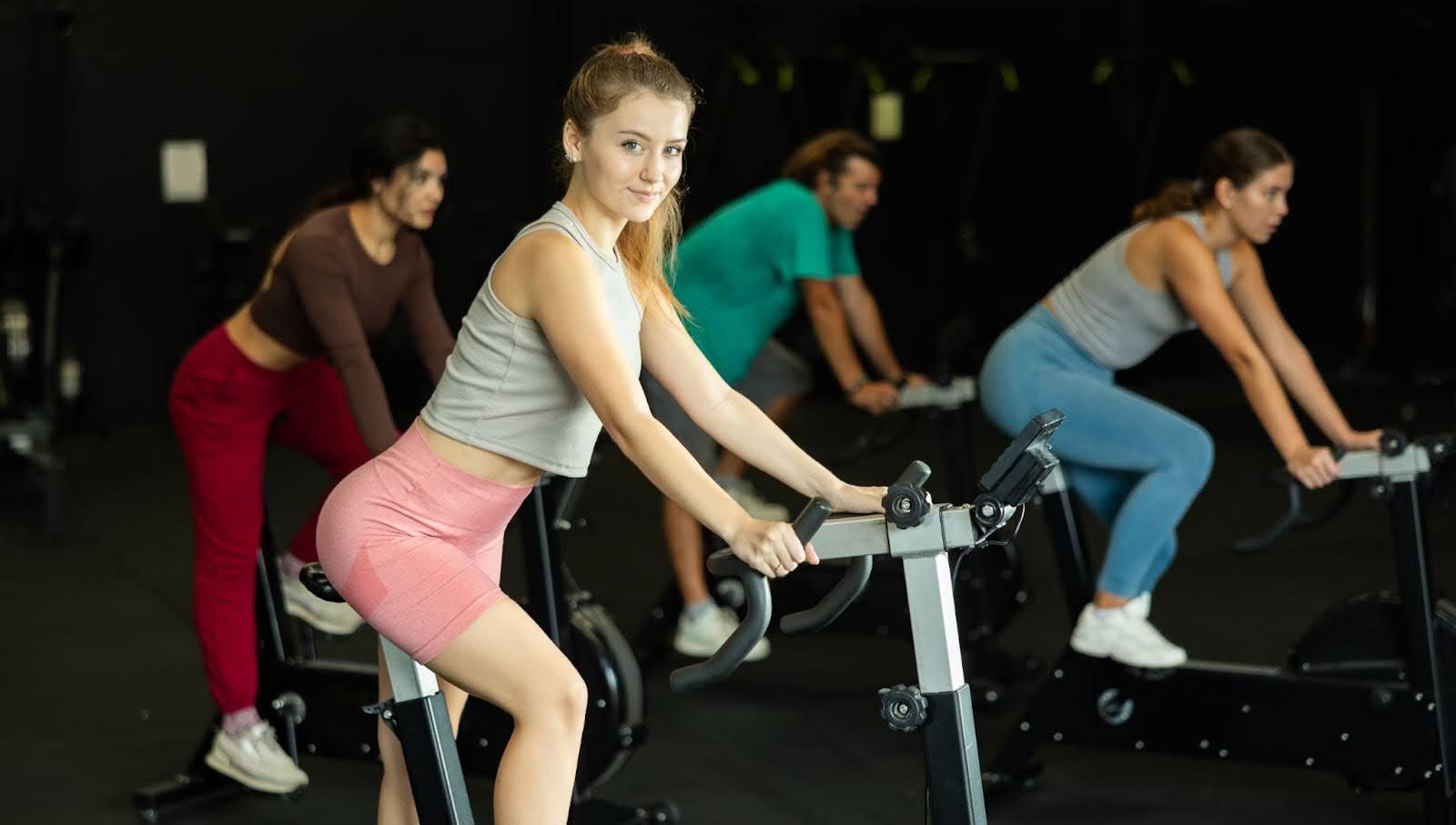
Maintain proper posture on the spinning bike
Maintaining the right posture during spinning workouts not only enhances performance but also prevents long-term injuries.
Spending extended periods in an incorrect position can lead to muscle discomfort, joint pain, and even a loss of motivation as you progress in your training.
To ensure that each session is both effective and safe, it is vital to follow some key posture principles:
1. Keep Your Back Straight: Avoid slouching and maintain a slight forward tilt without overloading your lower back.
2. Relax Your Shoulders: Prevent shoulder tension by keeping them down and your arms slightly bent.
3. Align Your Wrists With Your Forearms: Avoid putting excessive pressure on your wrists and maintain a natural hand position.
4. Adjust The Saddle Height: Ensure that your leg has a slight bend when the pedal reaches its lowest point.
5. Maintain Knee Alignment: Avoid letting your knees drift inward or outward while pedaling.
6. Position Your Feet Correctly: Keep your feet firmly placed on the pedals, using cleats or clip-in cycling shoes for better stability.
7. Relax Your Neck And Keep Your Head Aligned: Prevent neck strain by keeping your head in line with your spine.
8. Set The Saddle-to-Handlebar Distance Properly: The distance should allow for a comfortable and ergonomic posture.
9. Make Adjustments When You Feel Discomfort: Stop and readjust the bike if you experience any discomfort.
10. Stretch Regularly: Stretch major muscle groups after each session to maintain flexibility.
These posture guidelines will help you train more efficiently, reduce injury risk and maximize your spinning sessions.
Adjust your spinning bike for efficient pedaling
Beyond posture, proper bike setup is also crucial. An improper bike setup can lead to discomfort or even injuries. To ensure efficient pedaling, make sure that:
The saddle height allows your knee to have a slight bend at the lowest point of the pedal stroke.
The handlebar is set at a comfortable height to maintain an upright posture without straining your shoulders.
The distance between the saddle and handlebars allows your elbows to remain slightly bent, preventing overextension of your upper body.
Monitor your cadence and resistance: Find your optimal rhythm
Cadence and resistance are essential for improving your performance in spinning. An efficient cadence typically ranges between 80 and 100 RPM, but this can vary depending on your fitness level and training type.
To improve cadence:
Maintain a steady rhythm without sudden movements.
Ensure resistance is challenging but does not compromise your technique.
Incorporate high- and low-cadence intervals into your cycling endurance workout to enhance endurance and power.
The importance of breathing and pedaling technique
Mastering proper breathing techniques will help you sustain effort without premature fatigue. Diaphragmatic breathing enhances oxygen flow to your muscles and prevents breathlessness.
Additionally, an efficient pedaling technique maximizes energy output and minimizes muscle strain. The key is to maintain a smooth and consistent pedal stroke without jerky or uneven movements.
How to structure an effective spinning session
To maximize performance, a spinning session should be well-structured. Below is an example of a progressive routine you can follow:
Warm-up (10 minutes)
- Light pedaling at 80-90 RPM with low resistance.
- Gradually increase resistance while maintaining cadence.
Main workout block (30 minutes)
- 5 minutes – Medium resistance, cadence of 85-90 RPM.
- 5 minutes – Intervals: 30 seconds high resistance, 30 seconds recovery.
- 5 minutes – High cadence (95-100 RPM) with moderate resistance.
- 5 minutes – Maximum effort, high resistance, cadence of 80 RPM.
- 5 minutes – Gradually reduce intensity.
Cool-down (10 minutes)
- Light pedaling, progressively reducing resistance.
- Stretch legs, back and arms to prevent discomfort. By following this structure, you’ll achieve a balanced session that enhances your performance without the risk of overloading.
How to track progress and stay motivated
To improve in spinning, it’s essential to track progress and stay motivated. Some effective ways to do this include:
Monitoring heart rate and tracking performance evolution.
Keeping track of cadence and resistance in every session.
Assessing perceived effort to observe improvements in endurance and recovery.
Take your spinning progress further with ROUVY
If spinning’s helped you build fitness, confidence and better technique, the next step is turning that progress into long-term momentum – and that’s where ROUVY can help.
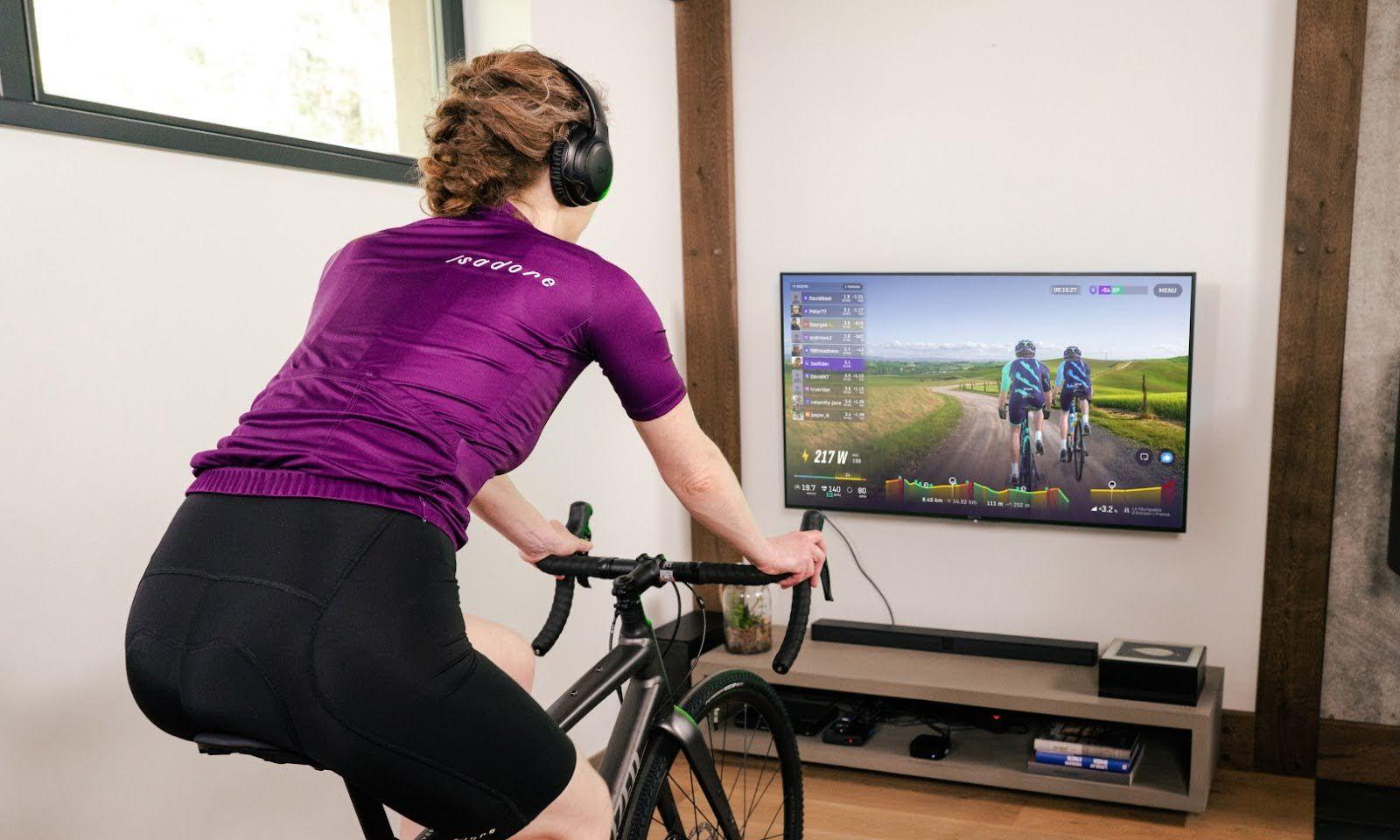
With thousands of ultra realistic routes filmed on location around the world, you can experience real climbs, flats, and rolling terrain without leaving home. Beyond exploring new places, ROUVY also offers workouts and pro-designed training plans built for riders of every fitness level, from complete beginners to experienced cyclists.
It’s an ideal way to transfer what you’ve learned in spin class – like cadence control, posture and resistance management – into structured training that keeps you motivated, challenged and improving week after week.