Think of this as a framework, not a rigid timetable. Life gets in the way. Work runs late, family commitments appear and sometimes you are simply tired. A good training plan should adapt to the rider, not the other way around.
Three cyclocross workouts I keep coming back to
Every coach has sessions they return to because they work. These are three I have used for years with riders from first-time racers to National Champions.
1. Over-under race simulation
Purpose: Improve repeatability and recovery while still riding hard.
Session:
- Warm up thoroughly.
- Ride 4 × 8 minutes at threshold.
- Every two minutes, sprint for 15 seconds.
- Settle immediately back to threshold.
- Recover for four minutes between efforts.
This session mimics what happens in a race. Corners, climbs and obstacles force you above threshold before asking you to recover without really easing off.
2. Cyclocross starts
You can lose a race in the first minute, and you can put yourself in a position to start the race well.
Session:
- 8-second standing start.
- Ride 50-60 seconds at threshold.
- Recover for three minutes.
- Repeat 8-10 times.
It is simple, brutally effective and does not take long.
3. Skills under fatigue
This is one of my favourite sessions because it combines fitness and technique.
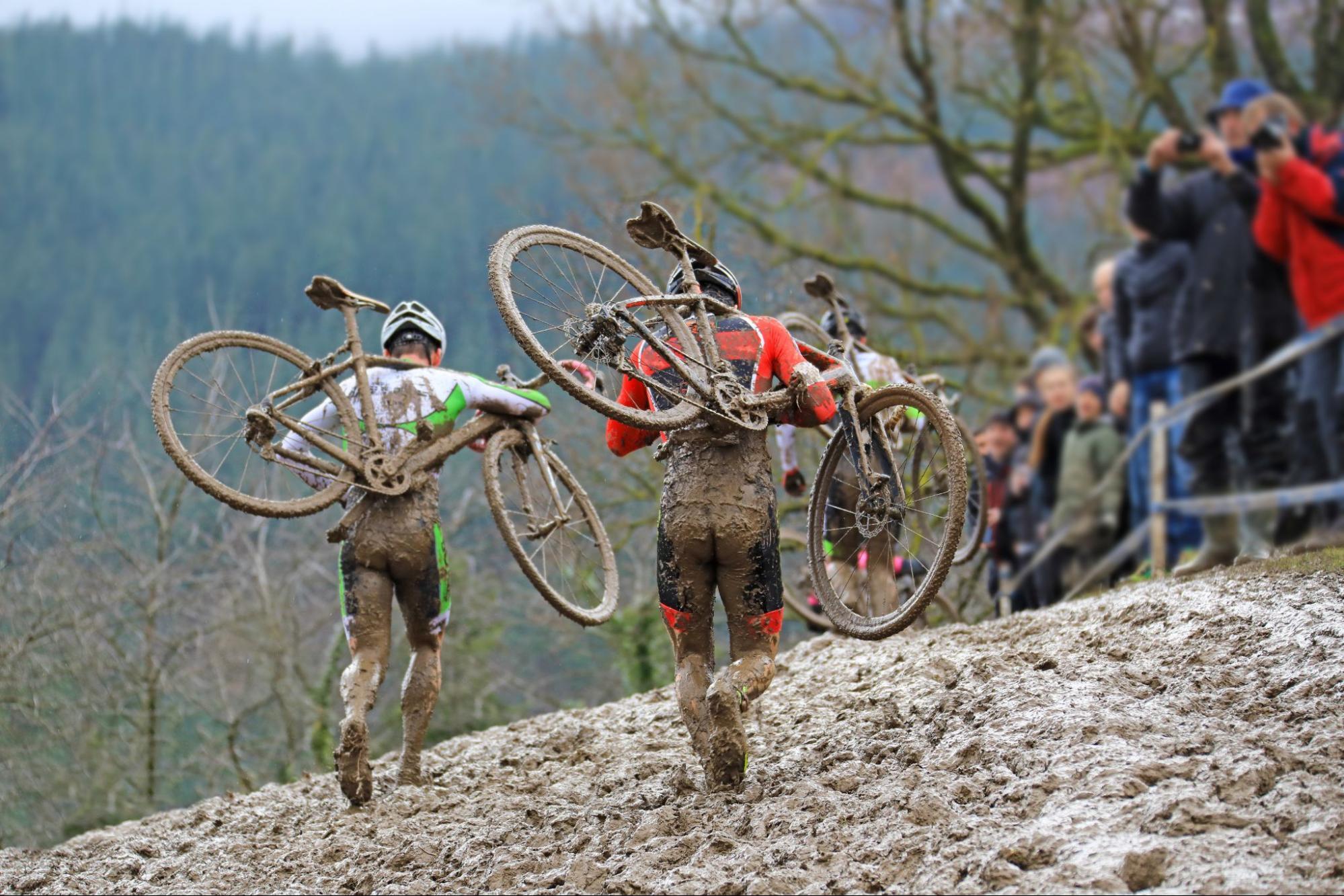
Ride a short circuit for 5-6 minutes at race intensity. Include tight corners, off-cambers, one run-up, two remounts and one set of hurdles. Recover for three minutes, then repeat.
Riders often practise skills when they are fresh. Races do not work like that. The real gains come from learning to corner, remount and choose good lines when your heart rate is already near maximum.
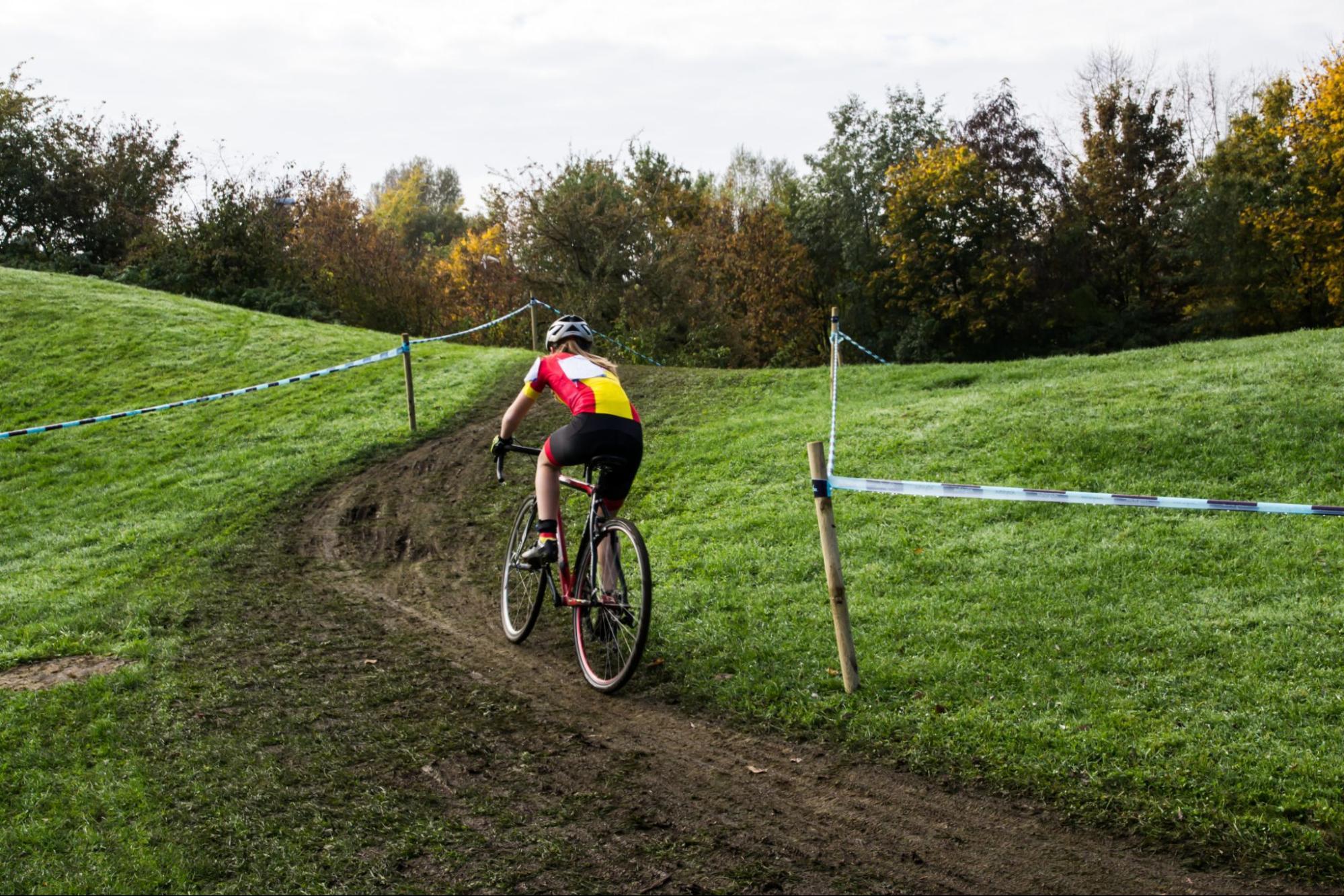
Skills win races
I have always believed that good technique is another form of fitness because every mistake costs energy. Brake too hard before a corner and you need another acceleration. Choose the wrong line or fumble a remount and you lose speed, momentum and confidence.
I have seen riders improve their lap times without becoming any fitter simply because they became smoother. They carried more speed, made better decisions and wasted less energy.
One phrase I have repeated to riders for years is, "Smooth is fast." The strongest riders do not always look like they are working the hardest. More often than not, they are simply making the fewest mistakes.
Improve your cornering, carry more momentum, remount cleanly and choose better lines, and you will often ride faster without producing another watt. Skills training should never be treated as an optional extra. Fitness gets you to the front. Skills keep you there.
Cyclocross skills also transfer well beyond cyclocross. Over the years I have been fortunate to work with riders such as Lara Gillespie, a former National Cyclocross Champion who has gone on to race successfully at the highest level on the road, and Darren Rafferty, whom I worked with during European and World Championship campaigns before he progressed into the professional ranks.
I remember Lara talking about racing in Belgium and how comfortable she felt riding cobbles, crossing tramlines, bunny-hopping kerbs and dealing with tight, technical courses. Those weren't skills she suddenly learned on the road; they were built over years of cyclocross.
That is one of the reasons I encourage young riders to try cyclocross, even if their long-term ambition is road racing. Better balance, quicker reactions, confidence and bike handling are advantages you carry into every discipline.

Common mistakes I see every season
Training like a road rider
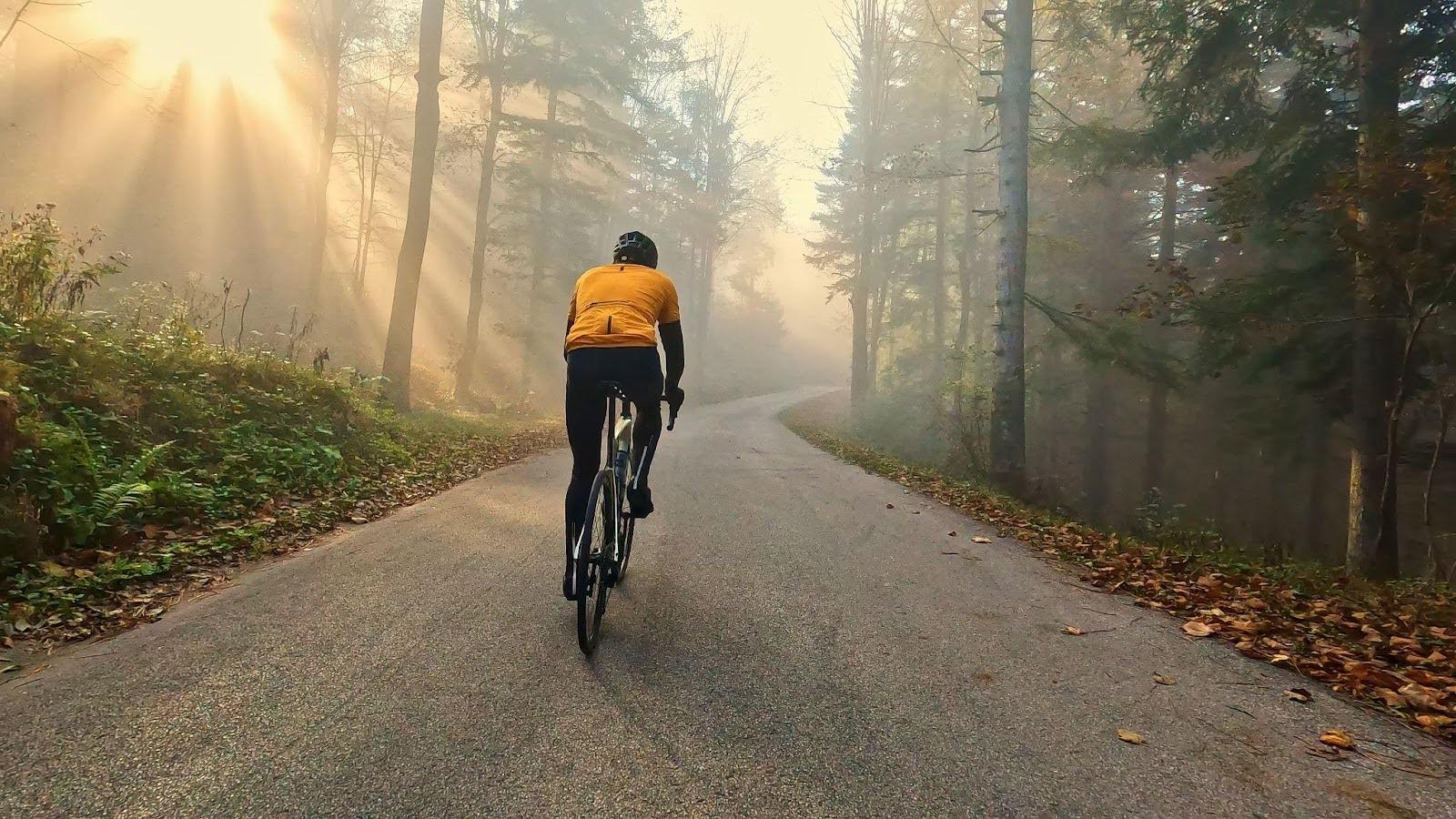
Steady riding has its place, but cyclocross demands constant changes in pace. If every ride is the same intensity, race day will come as a shock.
Ignoring skills
Many riders chase extra watts while barely practising cornering, dismounts or remounts. Poor technique costs free speed.
Racing every weekend without recovering
More racing is not always better. Sometimes the smartest decision is to skip a race, train well and arrive fresh the following weekend.
Leaving off-road riding too late
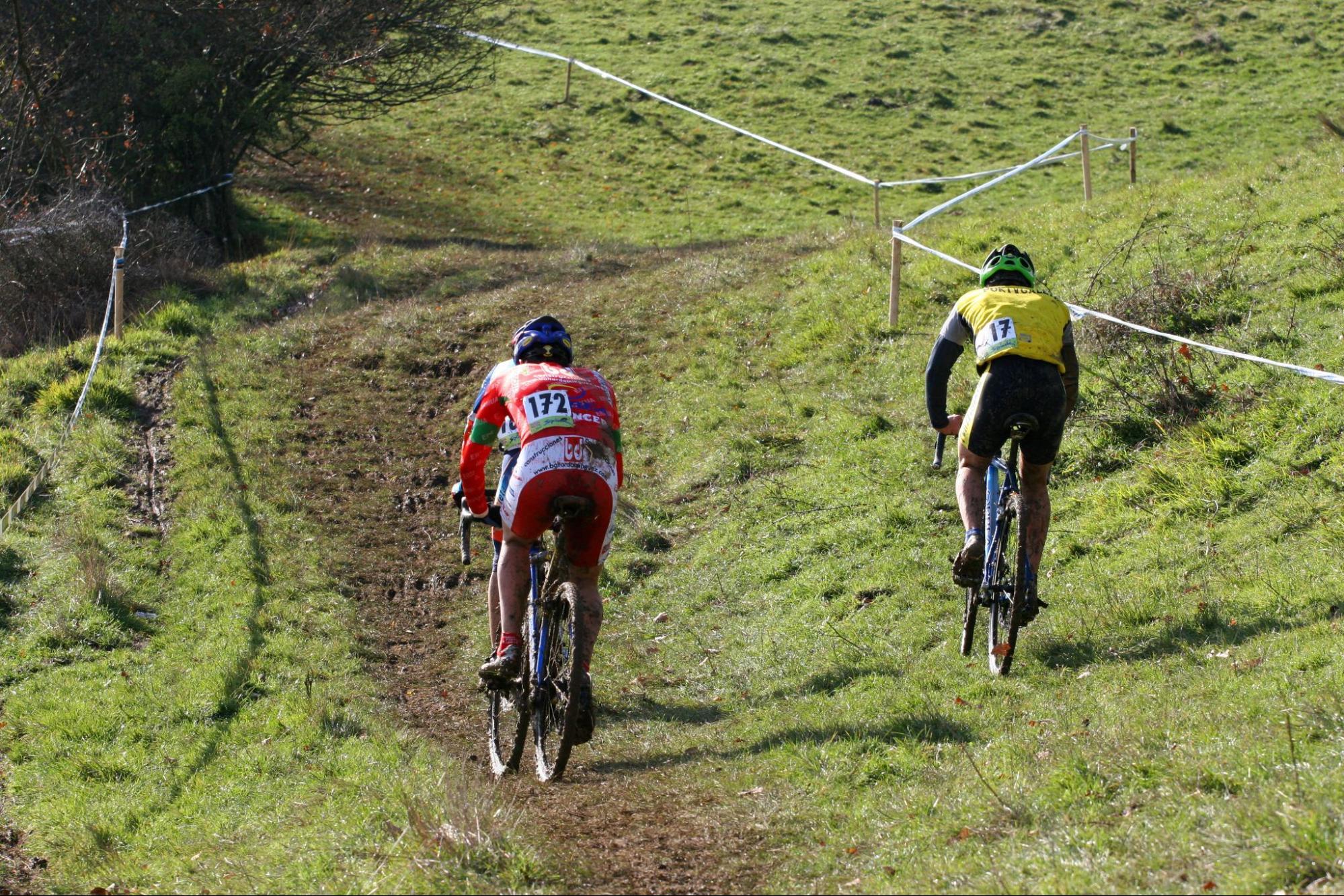
This is one I see every autumn. Riders spend all summer on the road, then expect to feel comfortable on a cyclocross bike after one or two muddy sessions. It rarely works like that.
Cyclocross has its own rhythm and feel. Learning how the bike moves beneath you, finding grip and carrying speed through corners all take time. Start early enough that, by race day, you are thinking about tactics and effort, not wondering whether the front wheel is about to wash away.
Practising starts once
Starts need repetition. The first minute or two often determines the next thirty.
Forgetting to enjoy it
Cyclocross is meant to be fun. Mud, barriers, spectators and close racing are all part of the appeal. If the plan becomes so serious that you stop enjoying the process, step back and remember why you started.
Andy's lessons from 40 years in cyclocross
✅ Fitness gets you to the front. Skills keep you there.
✅ Smooth riders waste less energy.
✅ Ride off-road before the season is on top of you.
✅ Practise starts until they feel automatic.
✅ Strength and stability matter more than most riders think.
✅ Do not chase numbers at the expense of technique.
✅ Recover as hard as you train.
✅ Consistency beats heroic training weeks.
✅ Above all, keep enjoying it.