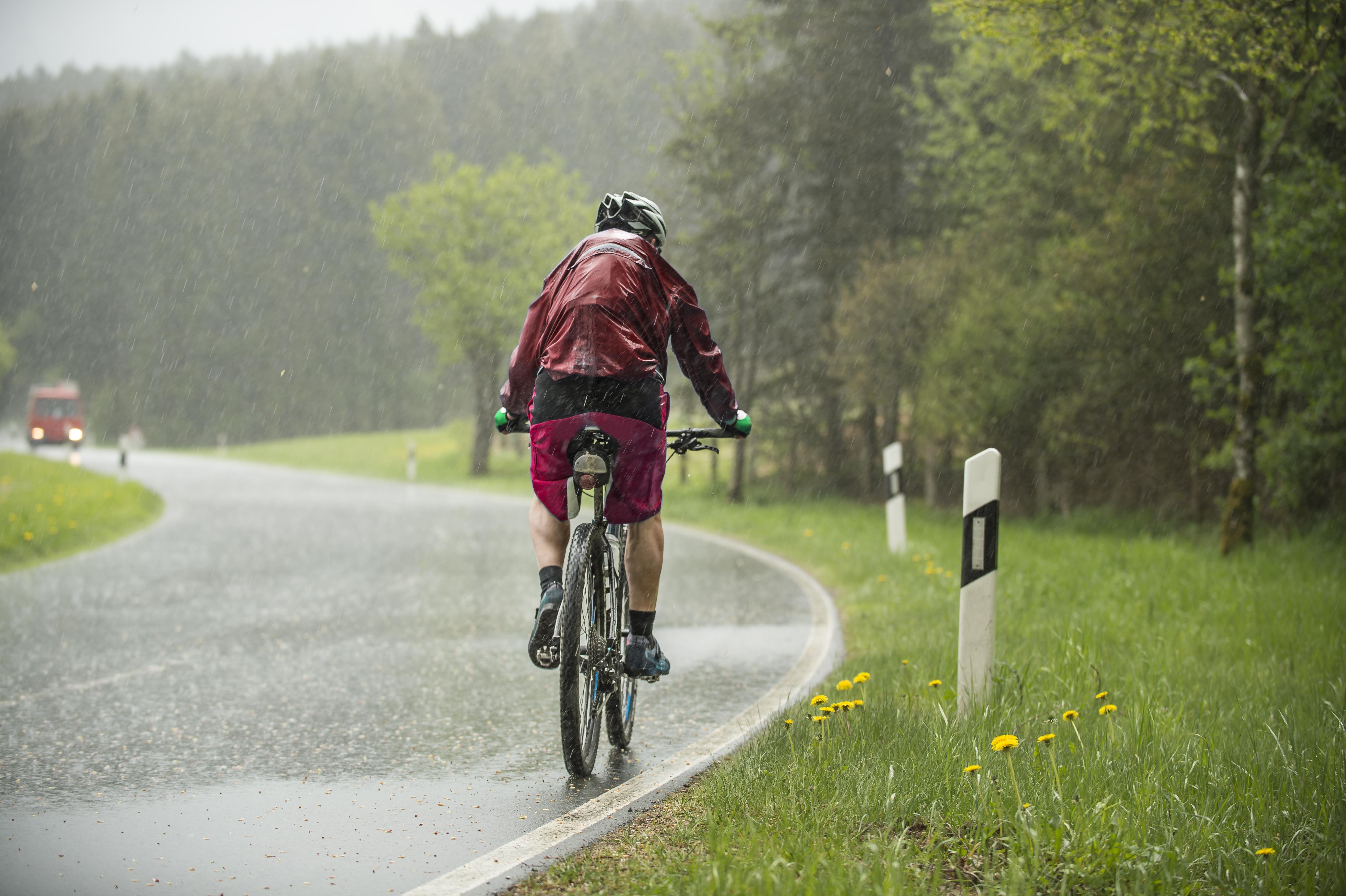
WHAT AFFECTS CALORIE BURN THE MOST: SPEED, RESISTANCE, HILLS OR BODY WEIGHT?
For most people, intensity, a combination of resistance and hills, affects calorie burn the most. While your body weight sets your "baseline" burn, you have the most control over how hard you work against resistance.
BODYWEIGHT
Your weight is the foundation of the calorie equation. It takes more energy (calories) to move a larger mass. For example, an 85-kilogram person will naturally burn more calories than a 55-kilogram person doing the same walk or ride.
RESISTANCE AND HILLS (THE WORKLOAD)
This is the most powerful variable you can control in cycling; increasing resistance or riding up a hill forces your muscles to recruit more fibers. Doubling your resistance is far more effective for calorie burn than simply doubling your leg speed (RPM) at zero resistance.
But for walking on an incline, your calorie burn nearly doubles compared to walking on a flat surface at the same speed.
SPEED (THE MULTIPLIER)
In cycling, if you have very low resistance, you can pedal very fast without your heart rate moving much. Speed only maximizes calorie burn when it is combined with enough resistance to keep your heart rate in a training zone.
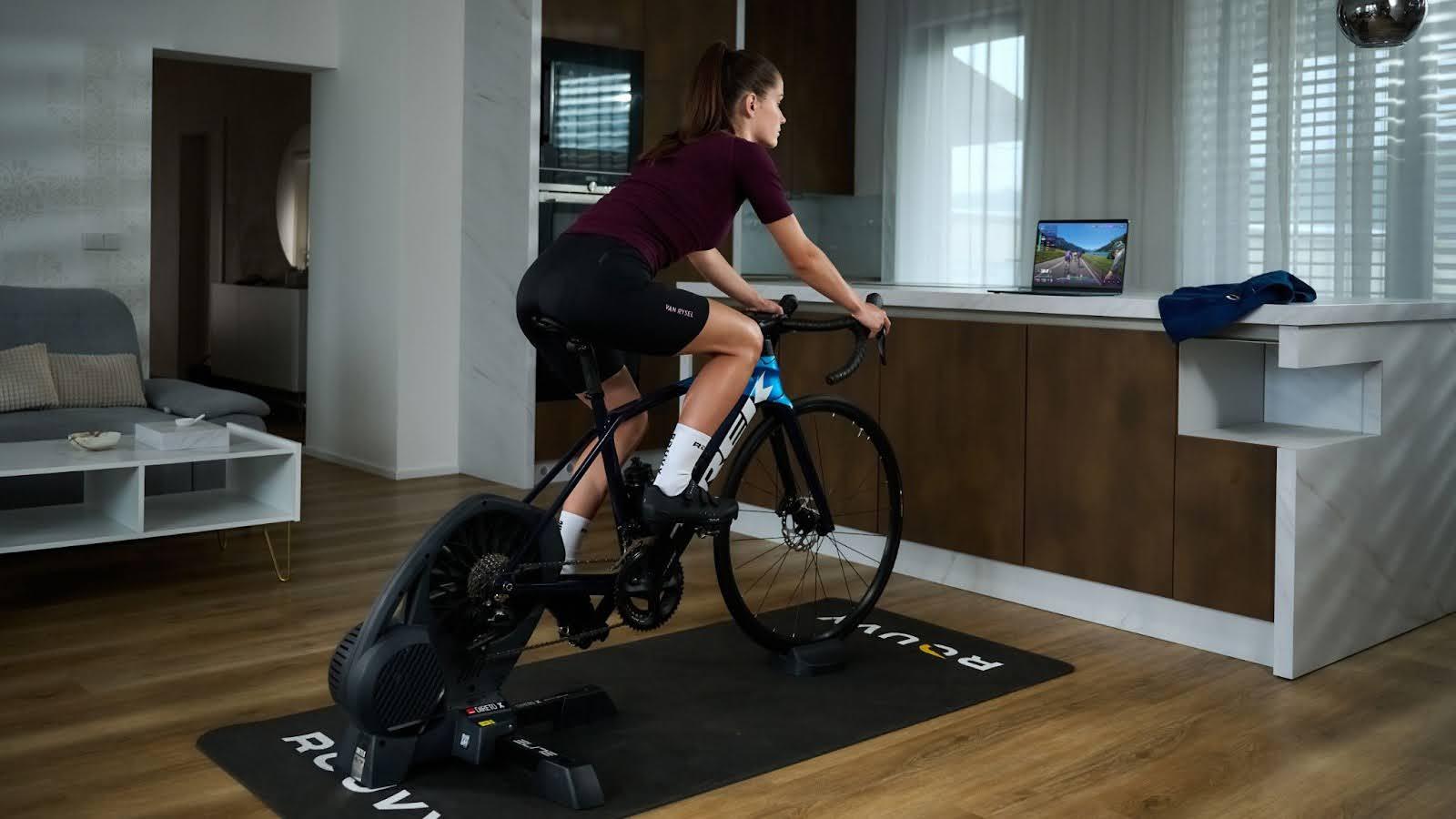
Indoor cycling is especially effective for weight loss because it combines these factors perfectly.
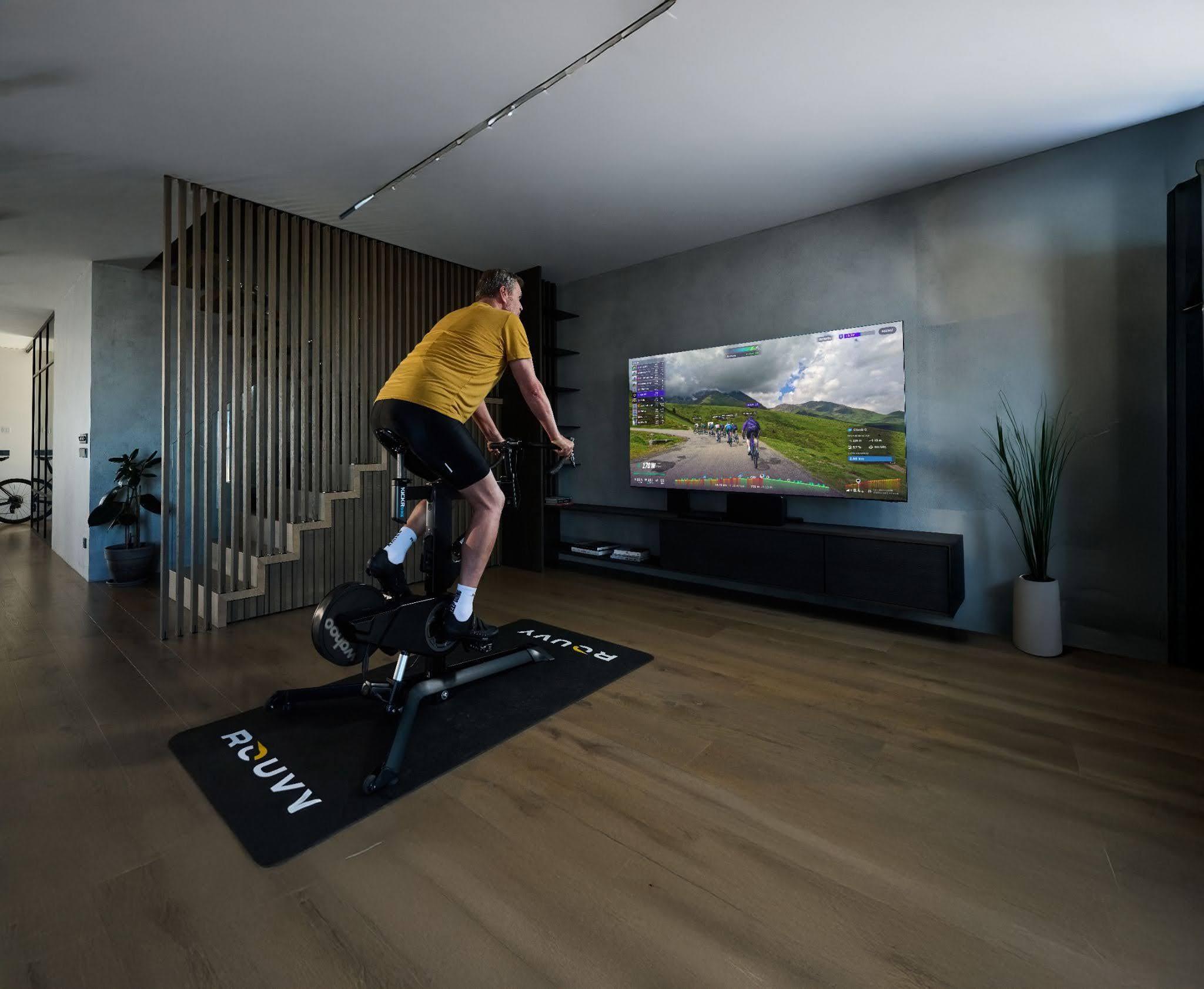
On the flat part of a ROUVY route, you might rely on speed. But when that route hits a 6-percent grade, the resistance increase forces a significant spike in calorie burn without you needing to move your legs any faster.
IS BIKING OR WALKING BETTER IF YOU HAVE JOINT PAIN?
Biking is the better choice for individuals with joint pain because it’s a low-impact, non-weight-bearing activity.
While walking is a natural body movement, it still requires your joints to absorb the force of your body weight with every step. Every time your heel hits the pavement, a shock wave travels up through your ankles, knees and hips.
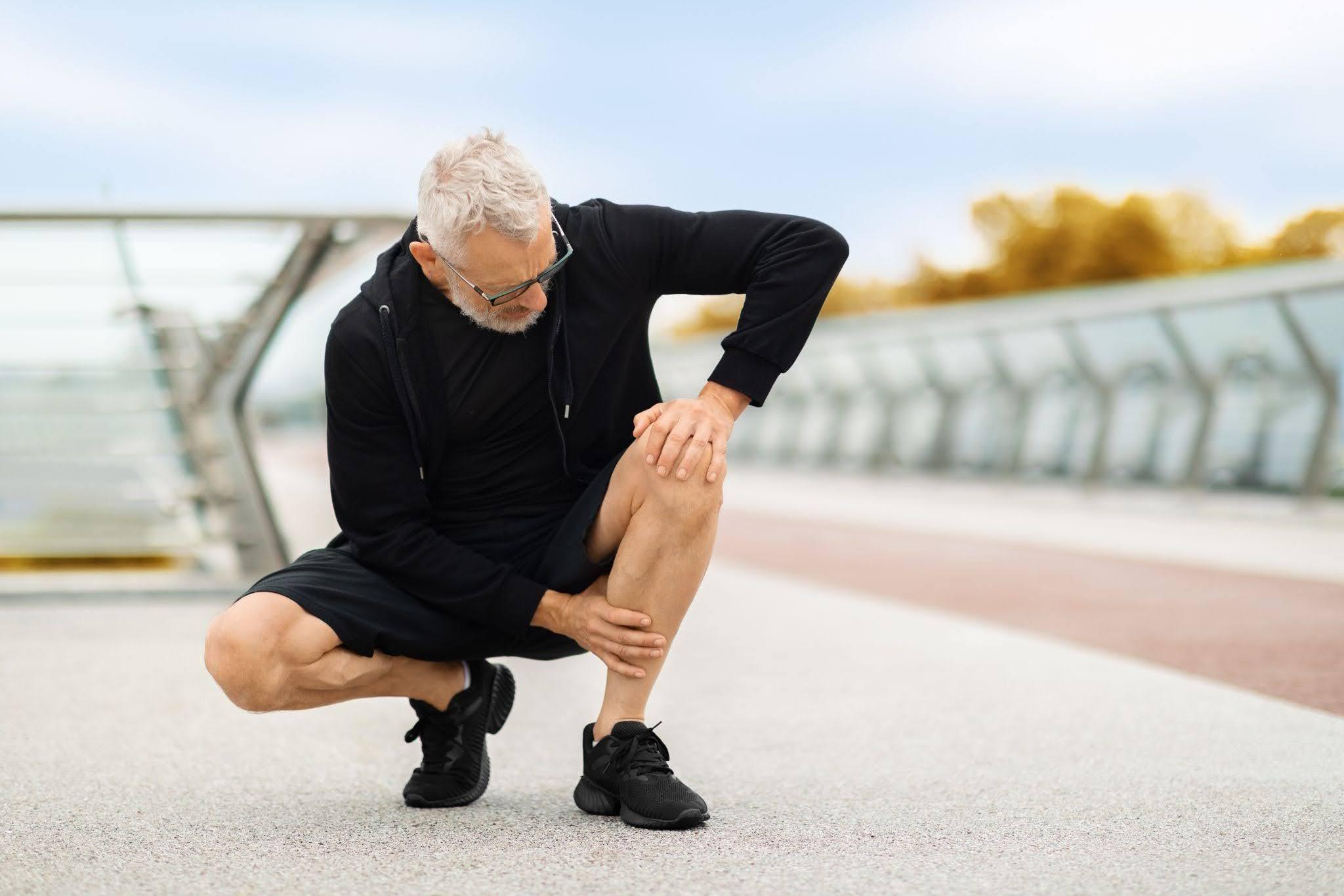
If you have osteoarthritis or general joint inflammation, this repetitive pounding can lead to increased pain or swelling after a workout.
On a bike, however, your body weight is supported by the saddle. This allows you to get a high-intensity cardiovascular workout and burn significant calories without putting any vertical pressure on your lower-body joints.
For those with osteoarthritis or knee issues, the circular motion of cycling acts as "mechanical medicine." It flushes the joints with synovial fluid (natural lubricant) without the vertical pressure of impact. This allows you to achieve a one-hour workout and high caloric burn without the post-exercise swelling often associated with walking or running.
CHOOSING BETWEEN BIKING AND WALKING FOR YOUR FITNESS GOAL
Choosing between biking and walking isn’t about which exercise is “better;” it’s about which one matches your specific lifestyle, schedule and physical needs.
To make the right choice, you should evaluate your primary fitness goal against the unique strengths of each activity.
GOAL: MAX WEIGHT LOSS IN MINIMUM TIME
Choose the bike. The caloric density of indoor cycling is unmatched for busy professionals.
GOAL: BONE DENSITY AND LONGEVITY
Choose walking. The weight-bearing nature of walking is essential for skeletal health as we age.
GOAL: RECOVERY AND HEART HEALTH
Use a hybrid approach. Use the bike for 2-3 high-intensity days and use walking for daily active recovery.
Related reading