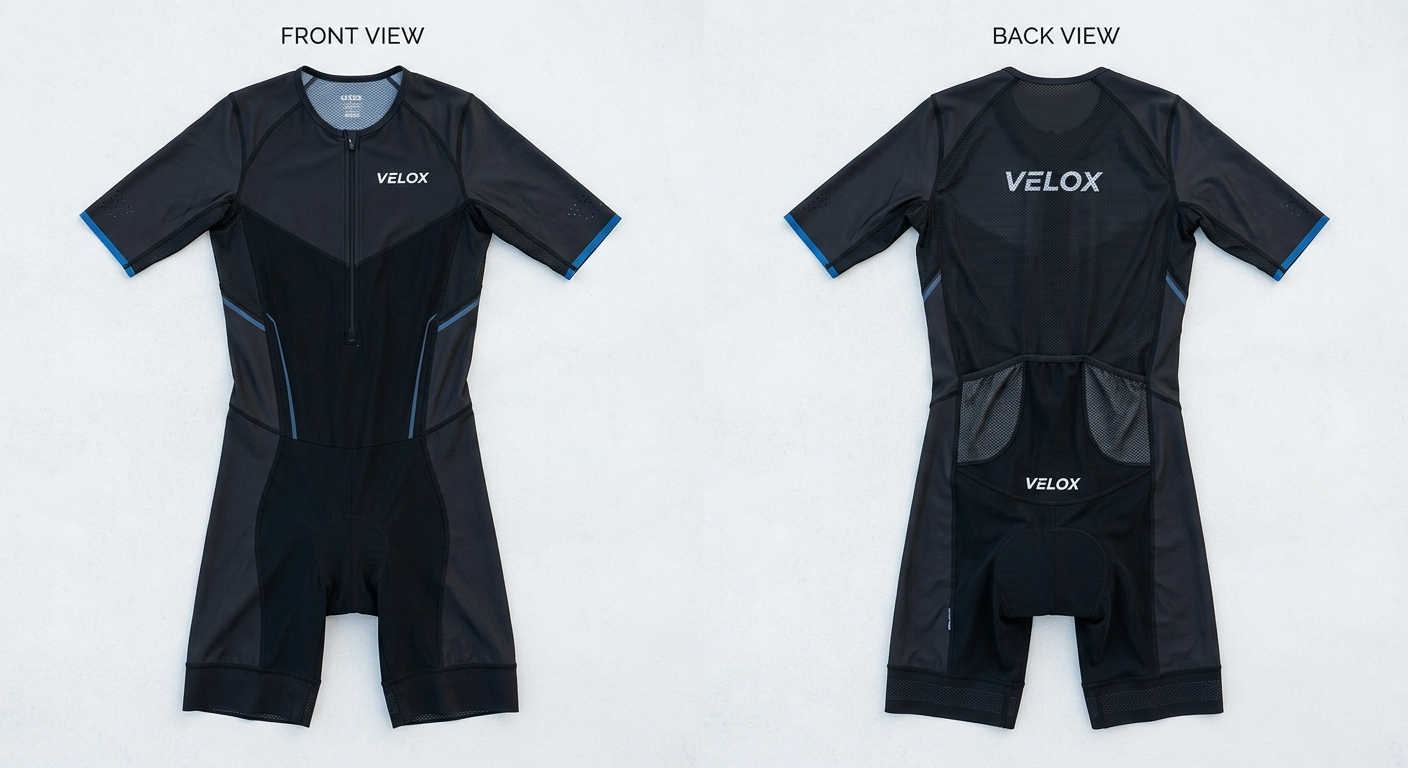
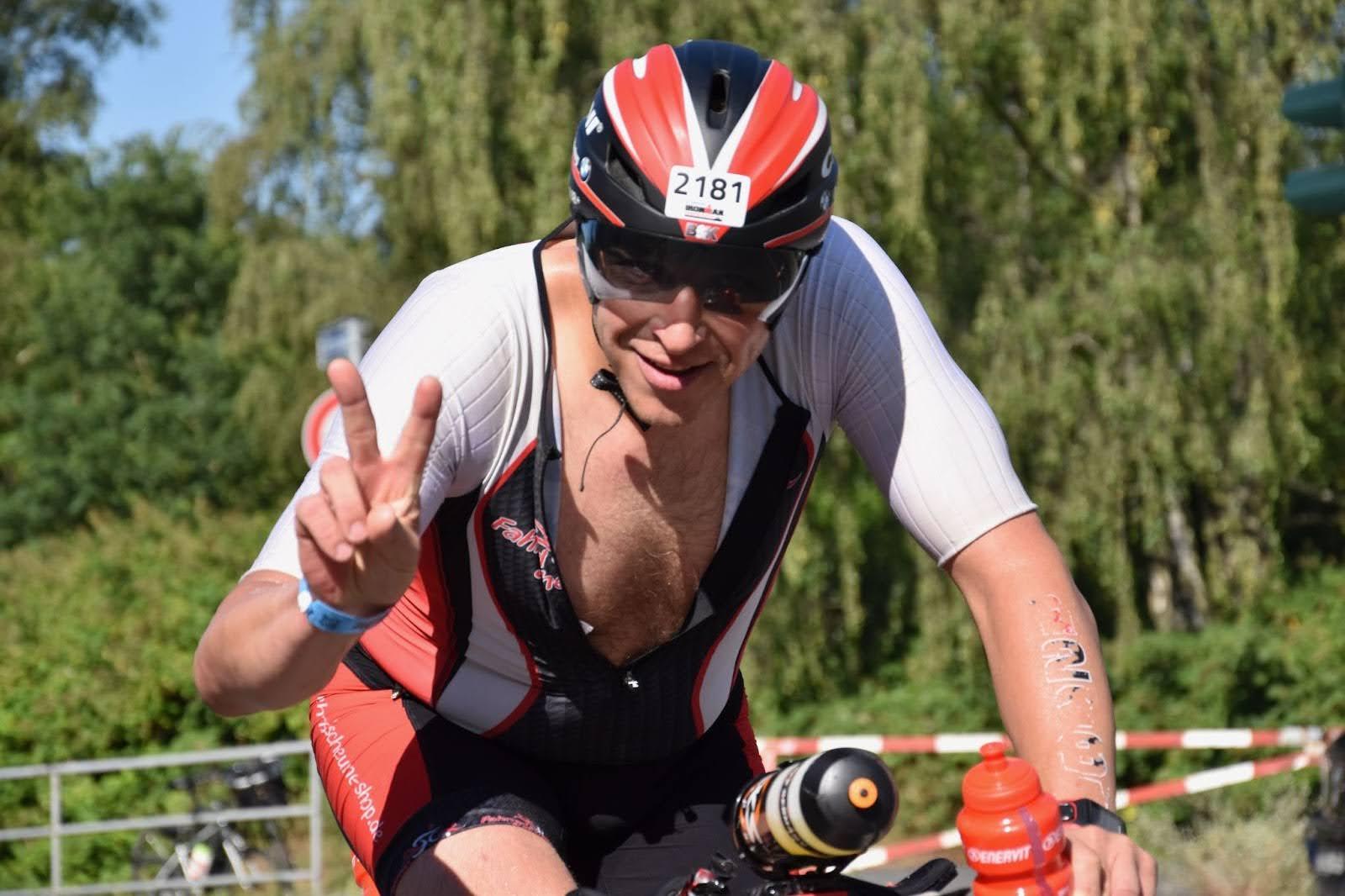
Sleeves can feel a bit strange at first if you’ve only used a sleeveless kit. After a few rides, they should feel normal, especially once you notice the added coverage.
Padding is where many beginners go wrong. Too much feels bulky the moment you start running. It’s a bit like carrying a damp sponge with you.
Practical takeaway: test your tri suit on longer sessions, not just short rides.
Common tri suit mistakes (and how to avoid them)
Small decisions here can affect your entire race.
- Choosing too much padding: Feels fine on the bike, but becomes uncomfortable once you start running
- Ignoring pocket placement: Hard-to-reach pockets slow you down when fuelling
- Going too tight for long-course: Compression helps, but excessive tightness becomes restrictive over time
- Not testing in training: Race day shouldn’t be the first time you wear your suit
- Buying purely for aero claims: Aerodynamics matter, but comfort still decides your race experience
You’ll usually be aware of these issues during longer sessions. That’s the best time to fix them.
How we chose the best tri suits
So, we focused on what actually changes your race experience, not just what looks good on paper.
Comfort came first. That includes how seams feel against the skin, how the suit behaves when wet, and whether it stays in place when you’re moving between disciplines. You’ll feel this early, often within the first few minutes of riding.
Aerodynamics matters, especially for longer races, but only once the basics are in place. A fast suit that feels restrictive or overheats quickly just becomes a ball and chain.
Storage also plays a bigger role than most expect. For longer races, you need access to gels or nutrition without reaching awkwardly or losing momentum. Pocket placement and security matter more than how much you can carry.
220 Triathlon’s testing approach involves repeated swim-bike-run sessions and real-world riding, which highlights long-term comfort and durability rather than just first impressions.
Heat management is another one that shows up quickly. Some fabrics hold warmth more than you’d expect, especially on slower courses or in hot conditions.
Practical takeaway: A good tri suit should feel steady, predictable, and easy to manage across all three disciplines.
Best tri suits for beginners and budget-conscious racers
Beginners rarely overthink brands. The consistent advice is to pick something comfortable and simple that works across all three disciplines, rather than chasing performance gains early.
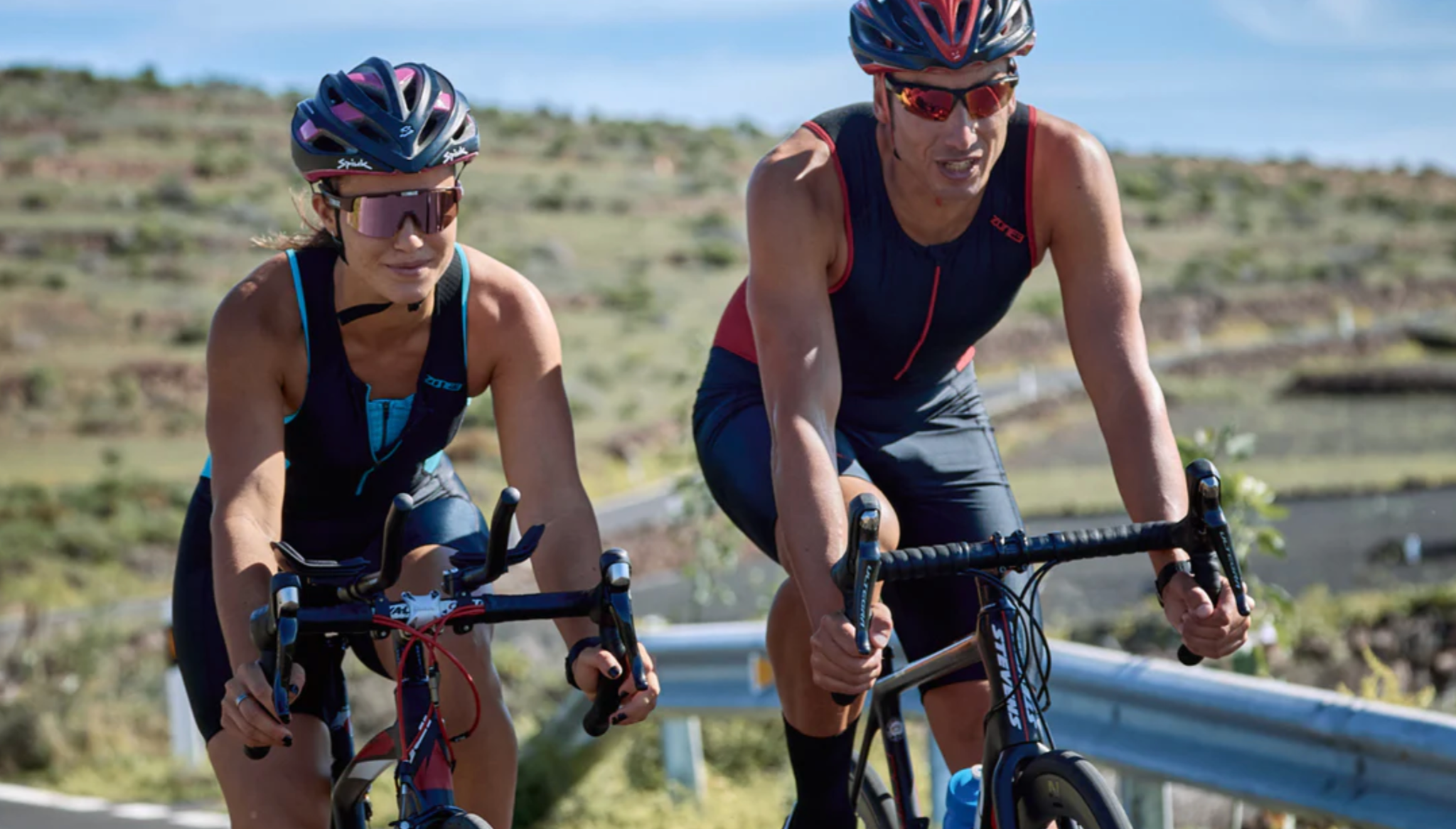
ZONE3 Activate
- Best for: first-time triathletes
The ZONE3 Activate range is designed specifically for beginners, with a focus on comfort, durability, and accessibility. In testing of the updated version, 220 Triathlon describes it as well-priced and well-made, with a secure fit that works well for shorter races.
It has a slightly more forgiving fit than race-focused suits, which you notice straight away if you’re new to tighter kit. On the bike, it feels stable without compressing too much, and on the run, it stays comfortable without pulling through the shoulders.
Downside: limited features and aerodynamics compared to higher-end suits
Castelli Core
- Best for: budget sprint to 70.3 racing
The Castelli Core is one of the strongest value picks currently available. In 220 Triathlon’s full review, it scored highly for comfort, materials, and overall usability across sprint to middle-distance racing.
It sits close to the body without feeling restrictive, and the fabric dries quickly after the swim. You’ll notice that already within the first few minutes on the bike, it settles into place and stays there.
On longer efforts, the chamois is on the thinner side. That works well for running, but you’ll start to feel it more once rides push beyond a couple of hours.
Castelli comes up a lot in triathlon discussions, usually around fit. Riders often say it feels more race-oriented than entry-level suits, especially through the torso and shoulders.
Downside: sizing can feel tight, especially if you’re between sizes
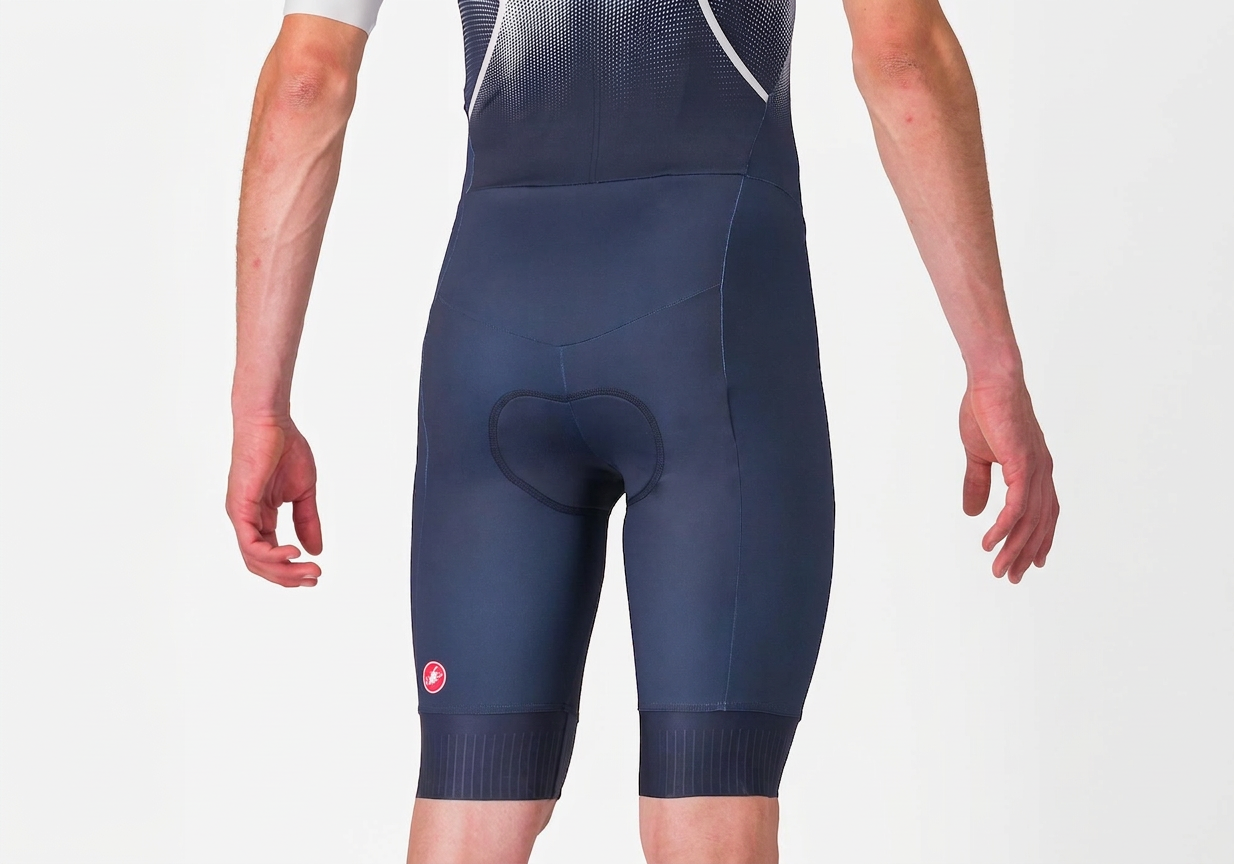
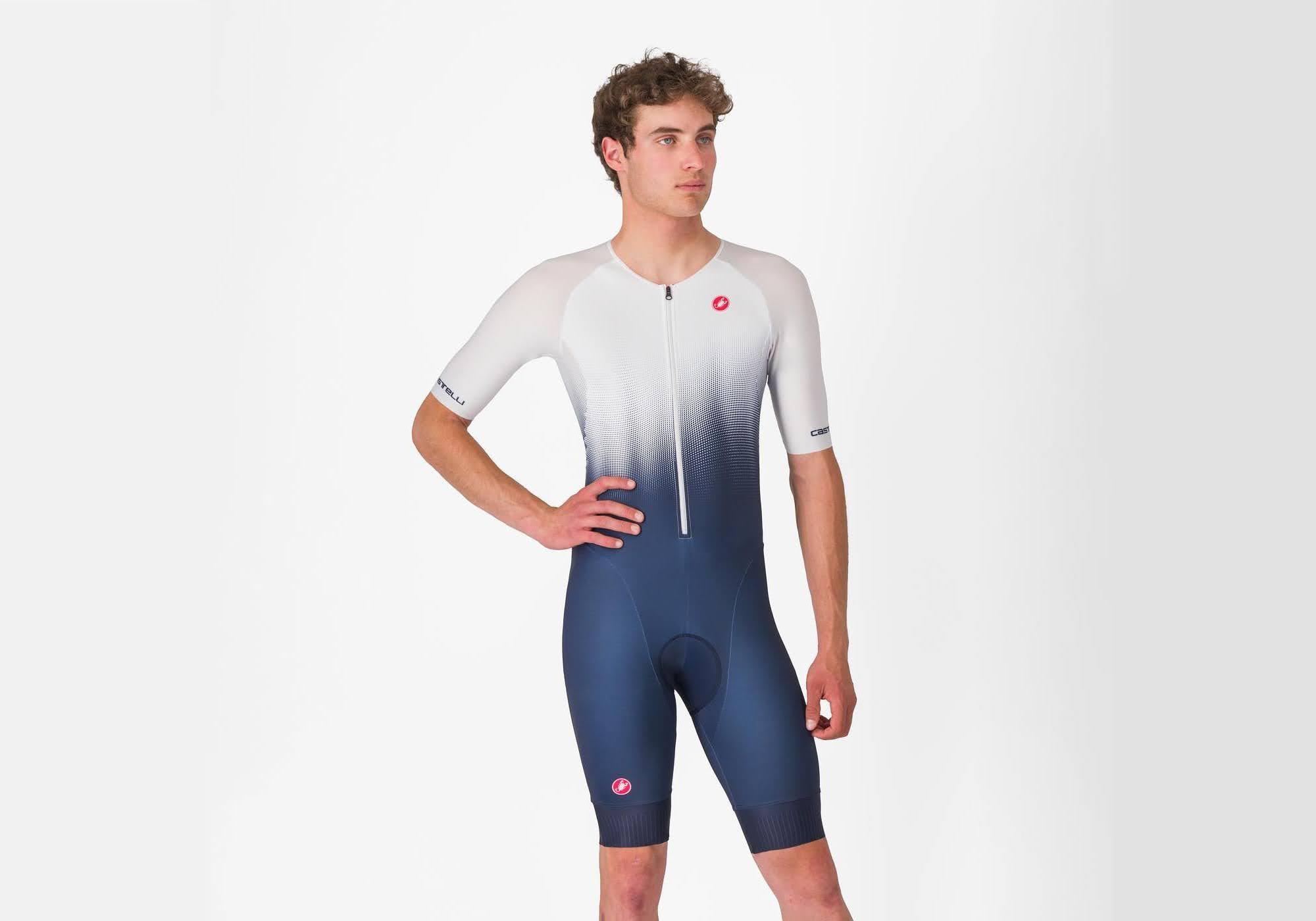 Above: Castelli Core tri suit shown in a race-ready fit
Tri-Fit Vanguard
- Best for: entry-level with a more refined feel
The Tri-Fit Vanguard is positioned as a modern entry-level suit, and TRI247’s review highlights it as a strong option for beginners looking for comfort without overspending.
It feels slightly more structured than most beginner suits. On the bike, it holds its position well without shifting, and on the run, it stays neutral rather than distracting.
You stop adjusting it, stop noticing it, and just carry on. That’s the difference.
Downside: less aerodynamic and feature-rich than mid-range or premium options.
Best all-round tri suits for sprint, Olympic, and 70.3
This is where suits start to feel more refined, especially if you’re racing regularly or moving up in distance.
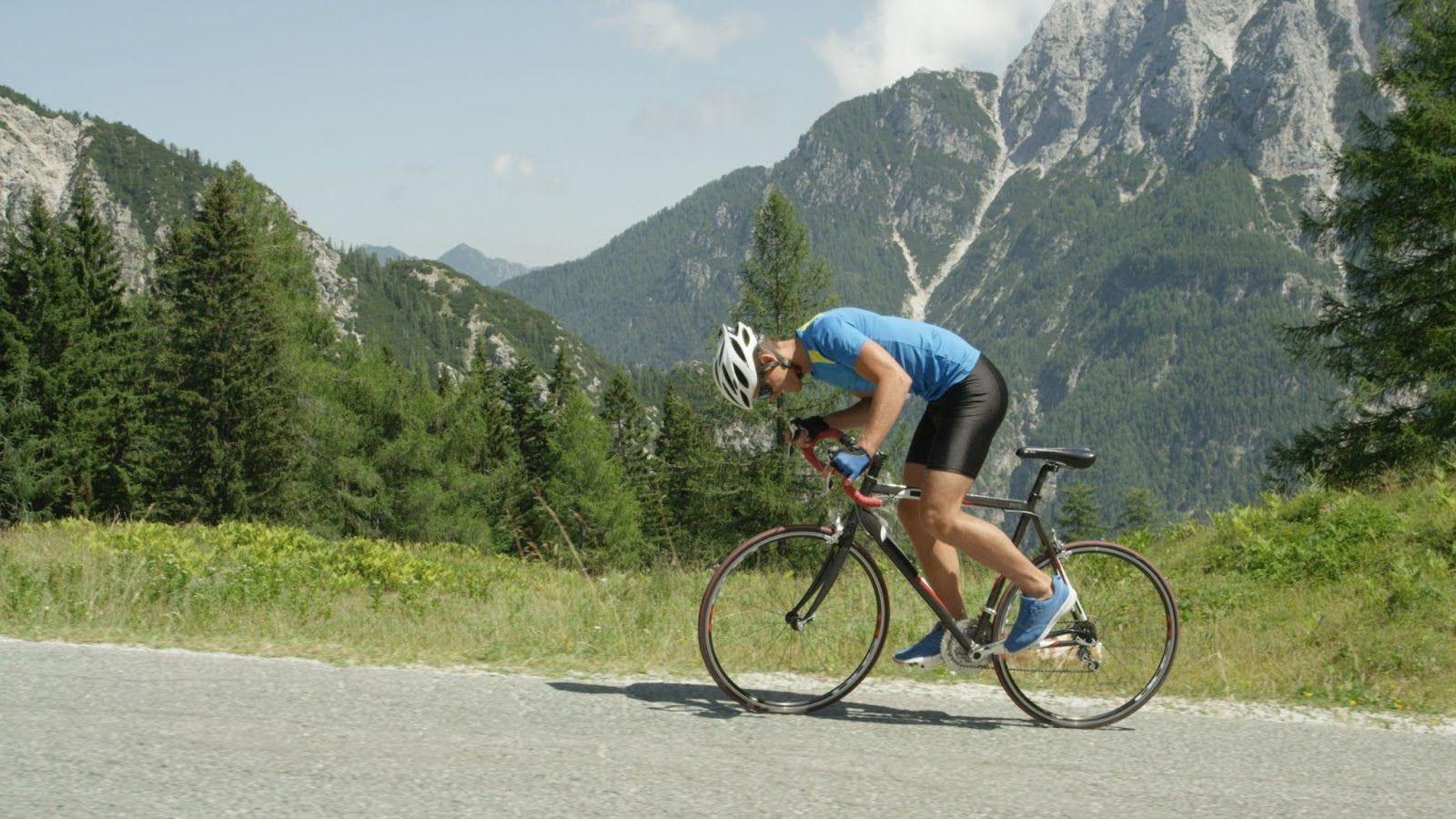
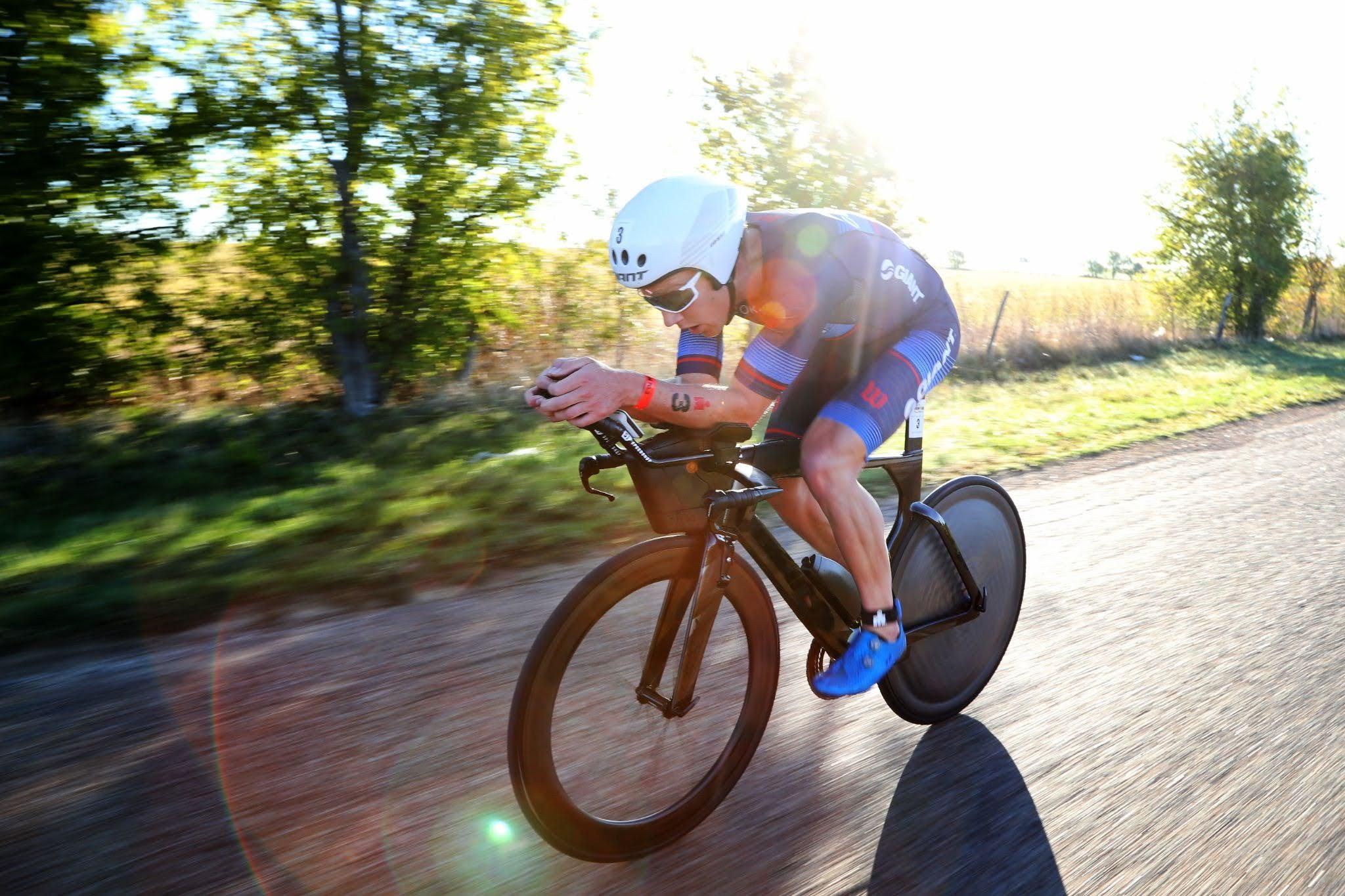 Above: Triathlete riding in aero position wearing a sleeved tri suit
Orca Athlex Aero Race Suit
- Best for: balanced performance and breathability
The Orca Athlex Aero Race Suit is designed for longer racing and tested in real swim-bike-run conditions by 220 Triathlon.
It holds its shape well under effort, particularly when you settle into a steady position on the bike. The fabric breathes effectively, which becomes noticeable during longer or warmer sessions.
On the run, it stays comfortable without pulling across the torso, which is often where less refined suits start to show weaknesses.
Downside: rear pocket depth is limited, so that larger items can feel less secure
Tri-Fit Geo Lightning Tri Suit
- Best for: comfort-focused all-round racing
The Tri-Fit Geo Lightning is a well-rounded option, and 220 Triathlon describes it as a strong performer for Olympic and 70.3 racing, with a particularly good chamois and heat management.
You feel that stability on longer rides. It doesn’t move around, and it doesn’t feel bulky when transitioning to the run.
It’s a good fit for athletes who prioritise comfort and usability over aggressive compression or pure aero gains.
Downside: fit can be slightly inconsistent depending on body shape
Zoot Ltd Tri Aero FZ Racesuit
- Best for: comfort-first long-course racing
In Cycling Weekly’s group test, this was named the best value tri suit and described as the most comfortable option in the lineup.
It feels slightly more forgiving than race-focused suits, especially on longer rides where small pressure points usually start to appear.
On the run, it transitions smoothly without feeling restrictive, although it carries slightly more material than lighter aero suits.
Zoot comes up again and again as a comfort-first choice, especially for long-course racing where stability and durability matter more than marginal speed gains.
Downside: less aerodynamic than more aggressive race-focused options
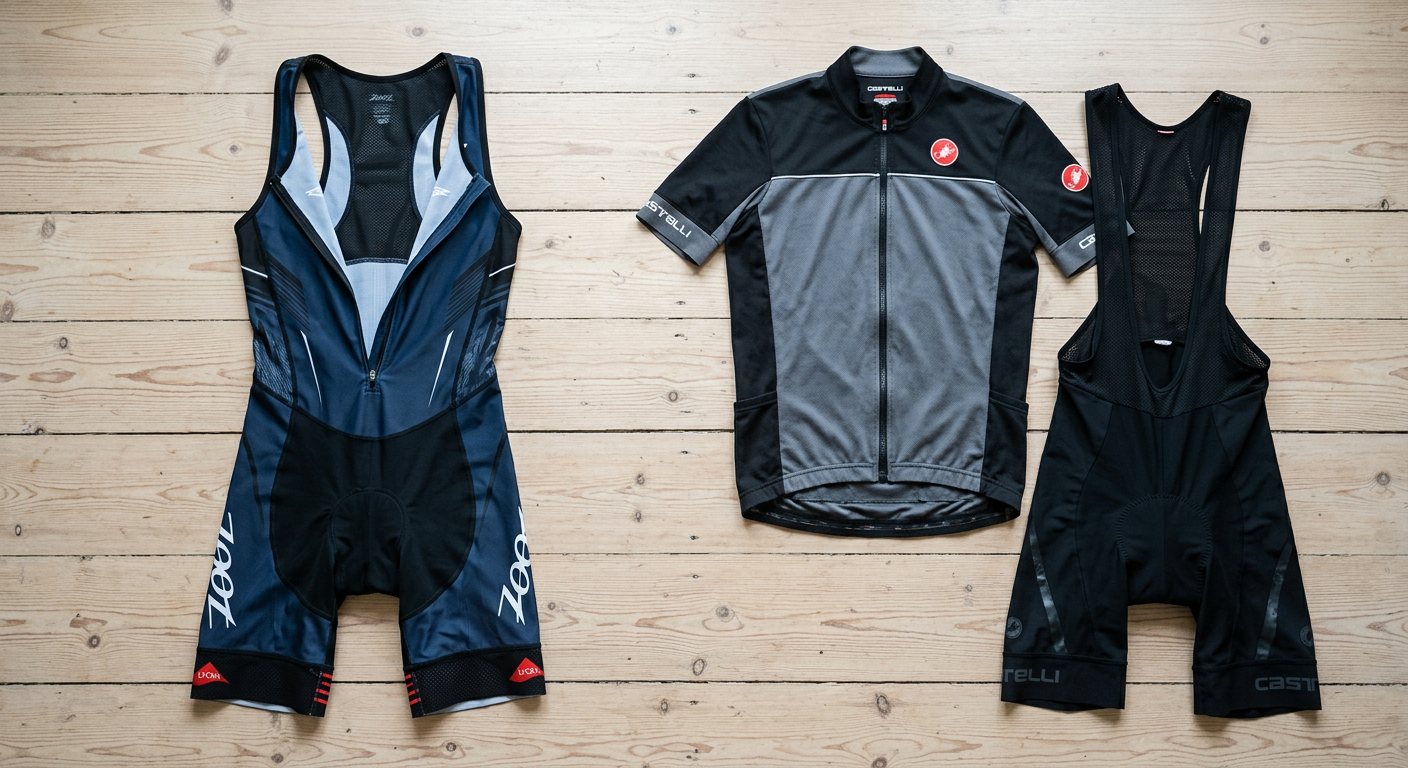
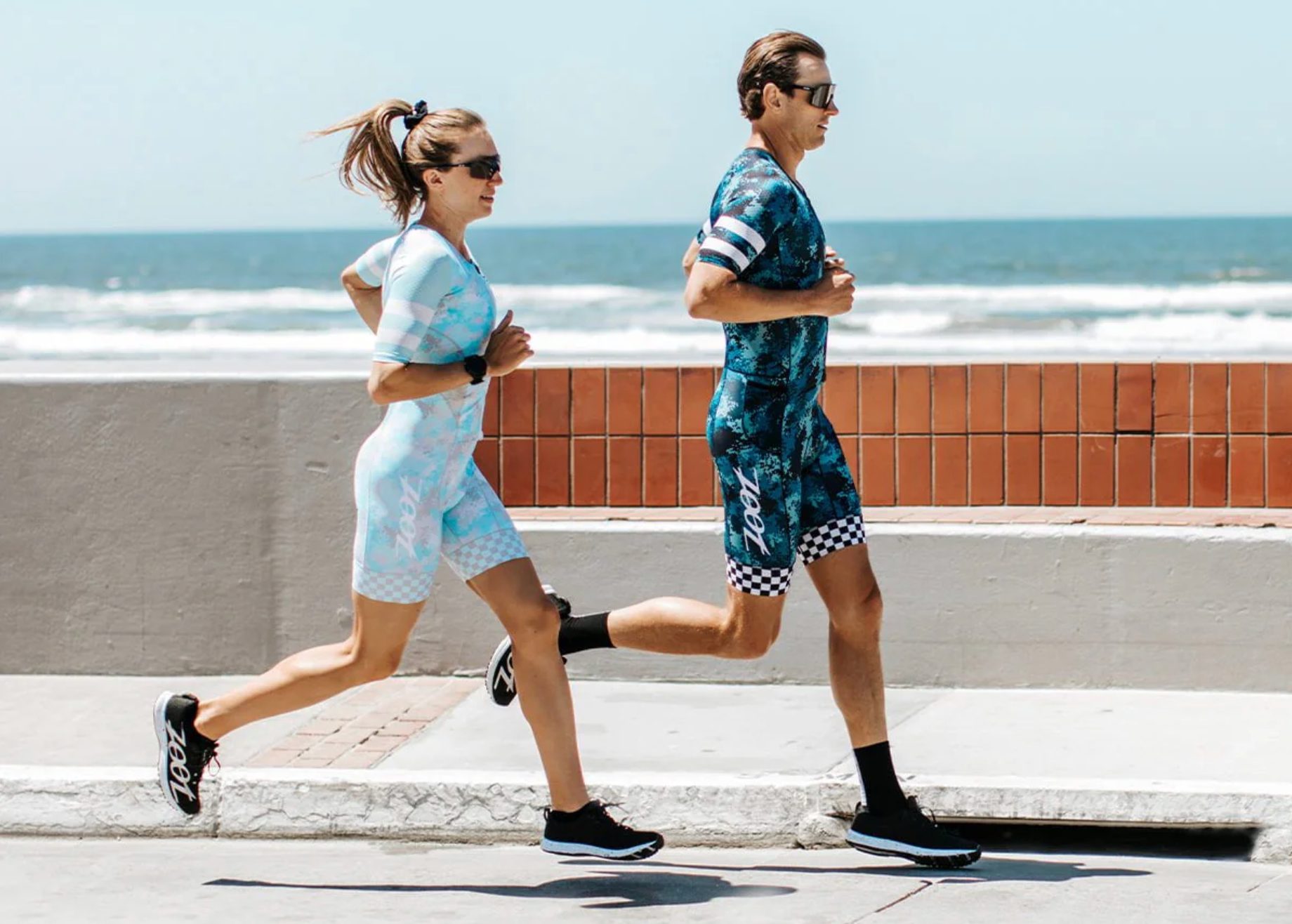 Above: Zoot tri aero FZ racesuit long-distance triathlon suit
Best premium tri suits for serious racers and long-course goals
At this level, it matters, especially once races stretch beyond a few hours.
Higher-end suits are usually chosen for aerodynamics and race performance, but real-world feedback often comes down to reliability and fit over time rather than lab-tested speed.
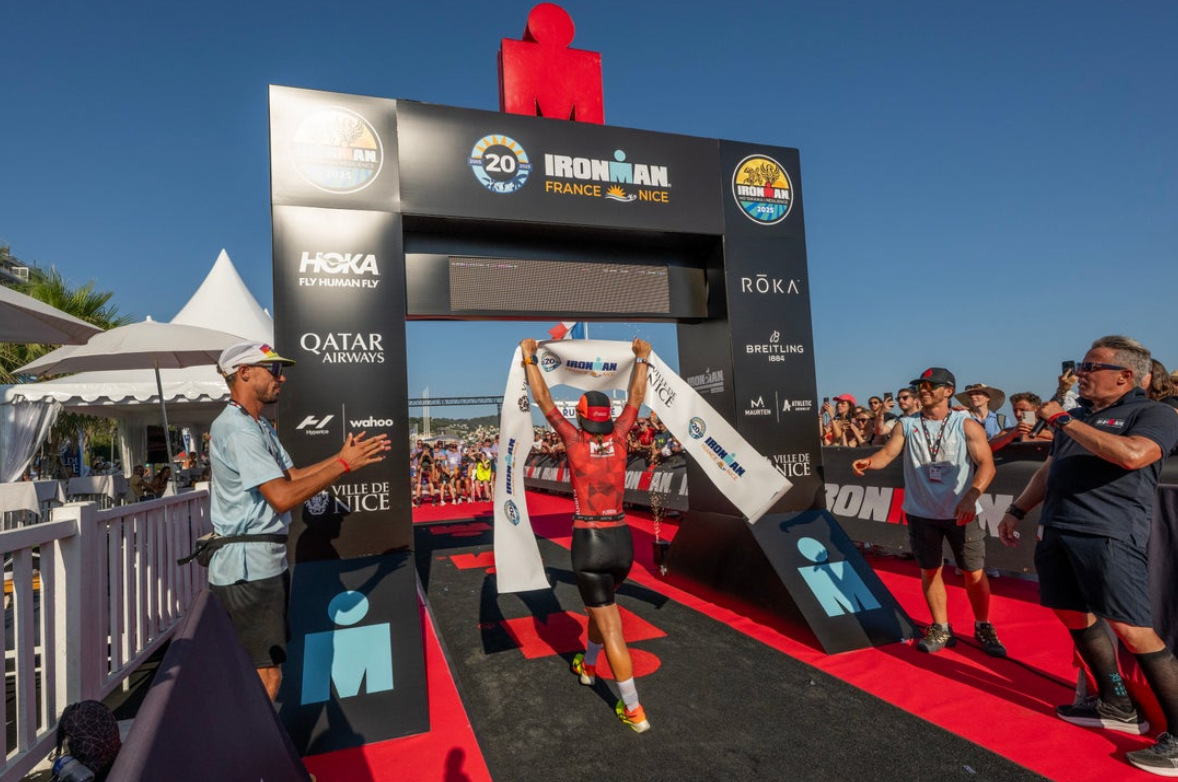
And for IRONMAN racing, athletes consistently prioritise comfort, storage, and heat management. Aerodynamics still matters, but only once those basics are dialled in.
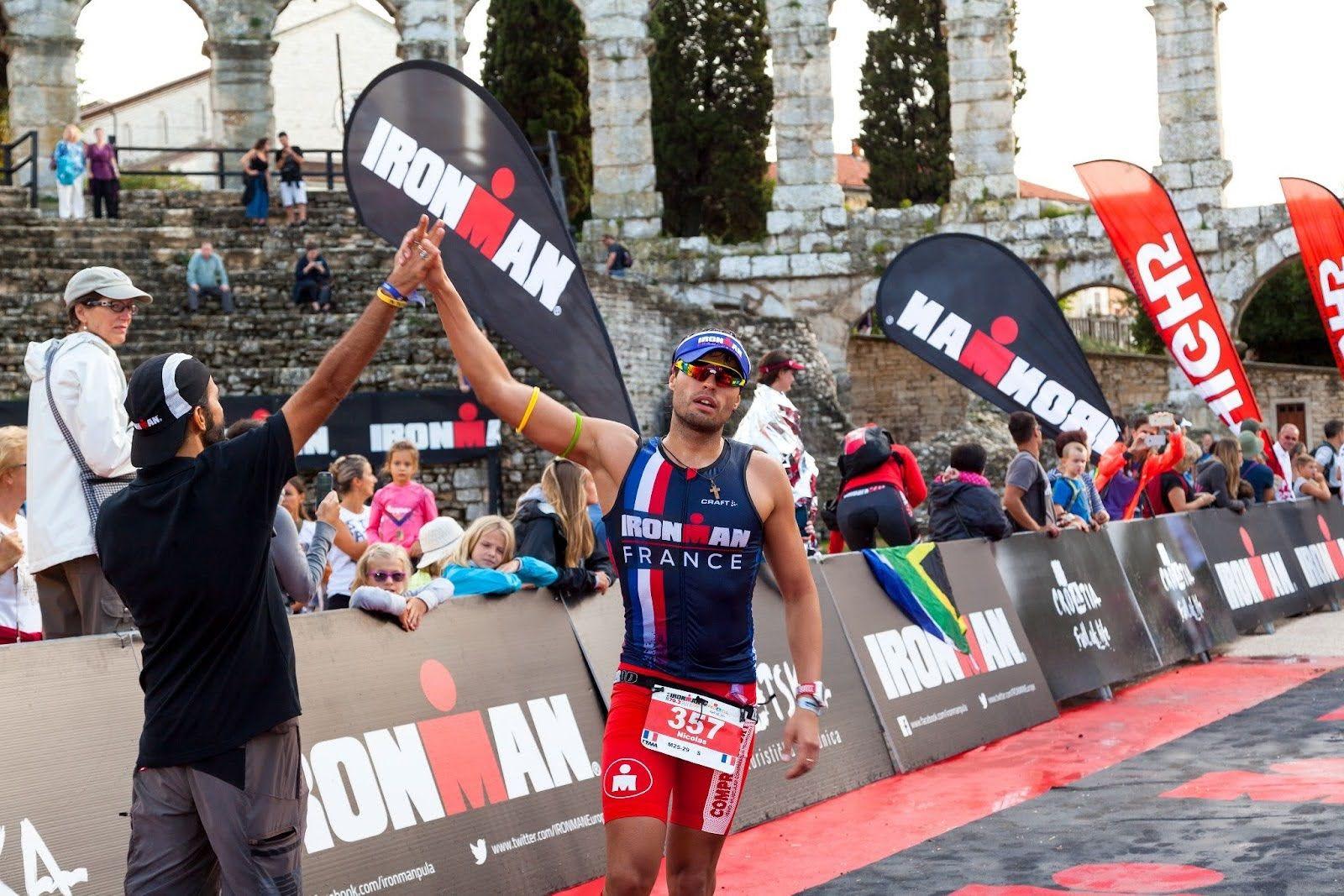
 Above: IRONMAN triathlete riding on an open road wearing a tri suit
Bornbound Skärvatten Pro LD
- Best for: best overall long-course performance
The Bornbound Skärvatten Pro LD is named the best overall tri suit in 220 Triathlon’s latest roundup, combining comfort, aerodynamics, and practical features.
It performs consistently across all three disciplines. On the bike, it stays stable without adjustment. On the run, it doesn’t feel heavy or restrictive. That balance is what stands out. Nothing feels overdone, and nothing becomes a problem later in the race.
Downside: fit can vary slightly depending on body proportions
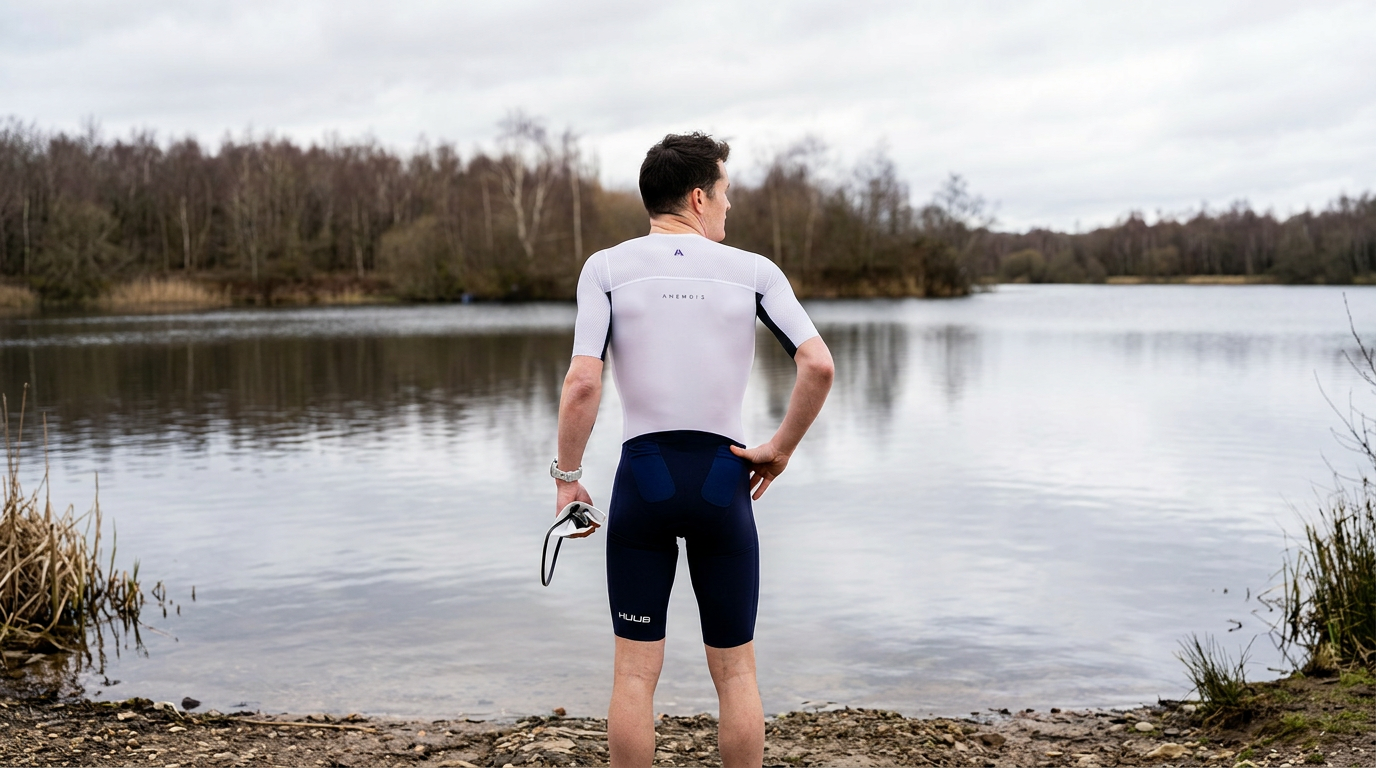
HUUB Anemoi 2 22Plus
- Best for: high-speed Ironman racing
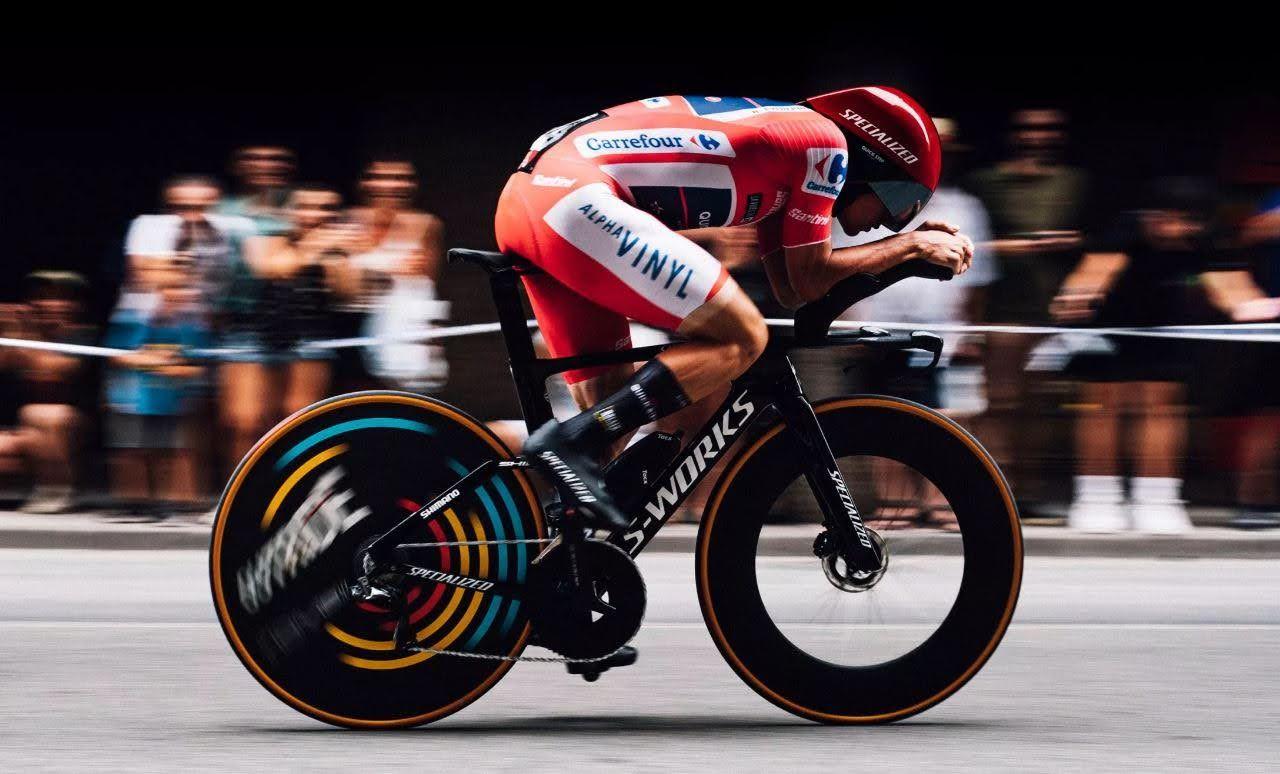
The HUUB Anemoi 2 22Plus is designed for athletes riding at higher speeds, with 220 Triathlon highlighting its aero focus and race-oriented construction.
It feels fast when you’re settled into position, particularly during steady efforts where aerodynamics matter most.
That focus comes with trade-offs. Storage is minimal, and it’s clearly built with racing rather than comfort-first riding in mind.
Downside: expensive and less forgiving for general use
Endura QDC D2Z S/S Tri Suit II
- Best for: premium all-round racing
Cycling Weekly names this the best overall tri suit in its group test, noting its strong balance of aerodynamics and comfort.
It performs reliably across swim, bike and run without any surprises, which becomes more valuable the longer the race goes on. It’s one of those suits that simply works, regardless of conditions.
Downside: high price point
Tri-Fit Vortex
- Best for: hot-weather racing
The Tri-Fit Vortex is designed with heat management in mind and is highlighted in both 220 Triathlon and TRI247 testing for its performance in warm conditions.
You feel the benefit most on exposed courses or long efforts where overheating becomes a factor. It stays light, breathable and stable even as conditions get tougher.
Downside: leaner padding may not suit everyone over very long distances
Castelli PR Speed
- Best for: lightweight, race-focused performance
Cycling Weekly highlights the Castelli PR Speed as a strong option for long-distance racing, built with speed and weight in mind.
It feels fast on the bike, particularly in an aero position, where the lightweight construction becomes noticeable. On the run, it’s slightly less forgiving, which is more noticeable over longer distances.
In rider discussions, suits like Castelli are often described as reliable across all distances, while more aero-focused options can sometimes trade comfort for speed.
Downside: reduced comfort compared to more endurance-focused suits
Best women-specific tri suits
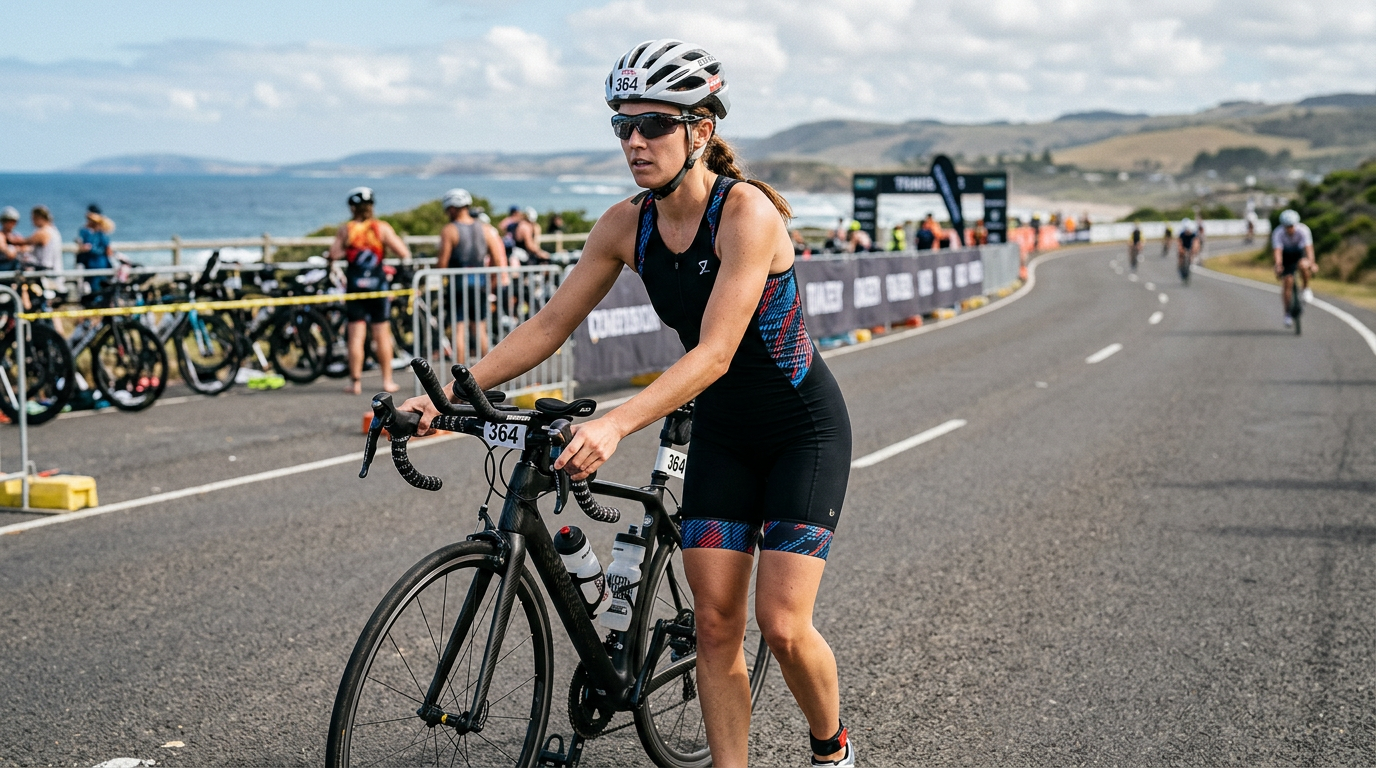
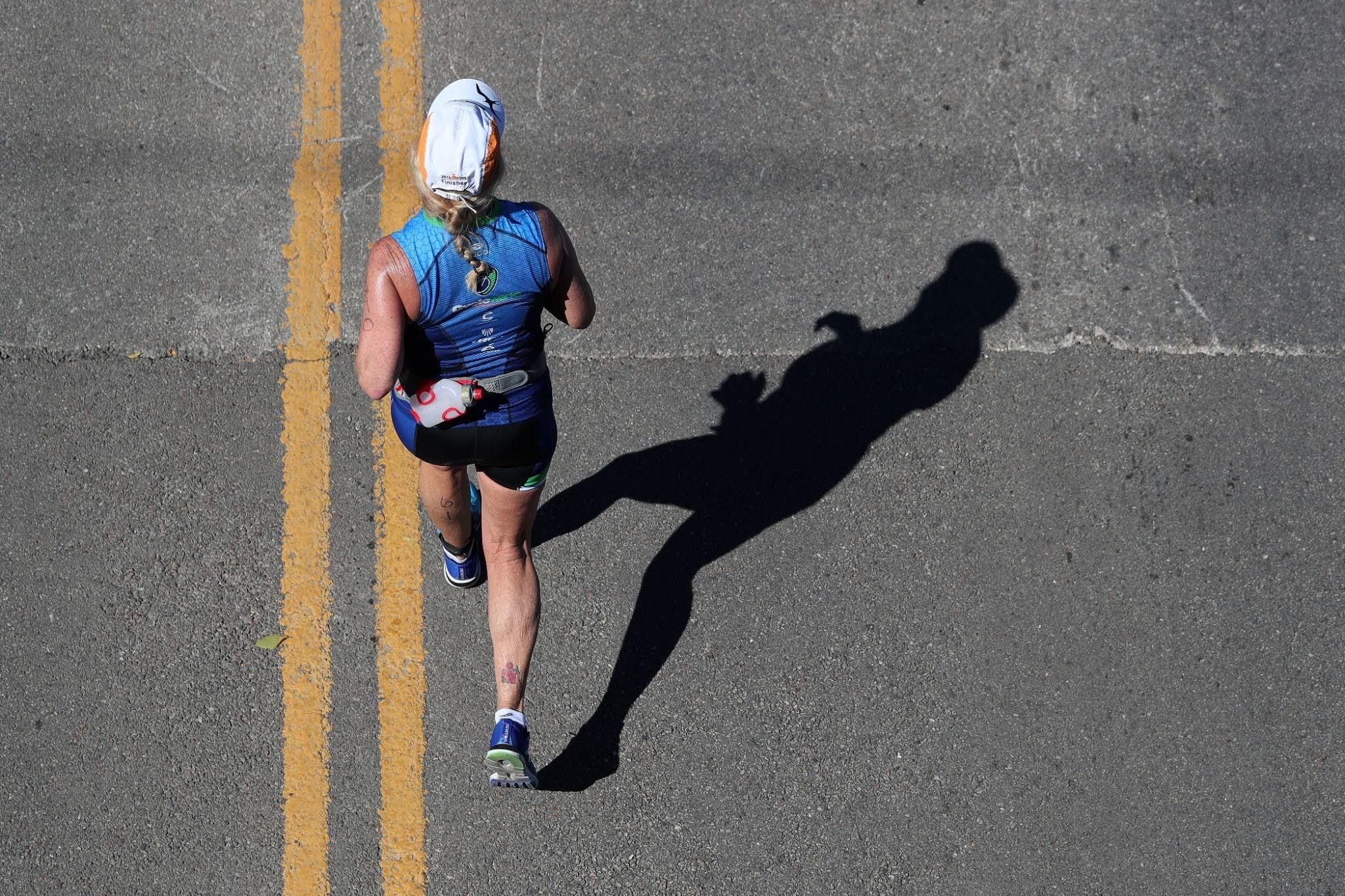 Above: Female triathlete racing in a tri suit showing fit and movement
2XU Light Speed React Tri Suit
- Best for: race-focused women’s fit
Cycling Weekly highlights the 2XU Light Speed React as a strong women’s option, particularly for slimmer builds, with good materials and performance for the price.
It feels structured through the torso and hips, with a more performance-oriented fit than many entry-level suits. You’ll notice that it fits immediately, especially compared to more relaxed options.
Downside: can feel restrictive depending on body shape
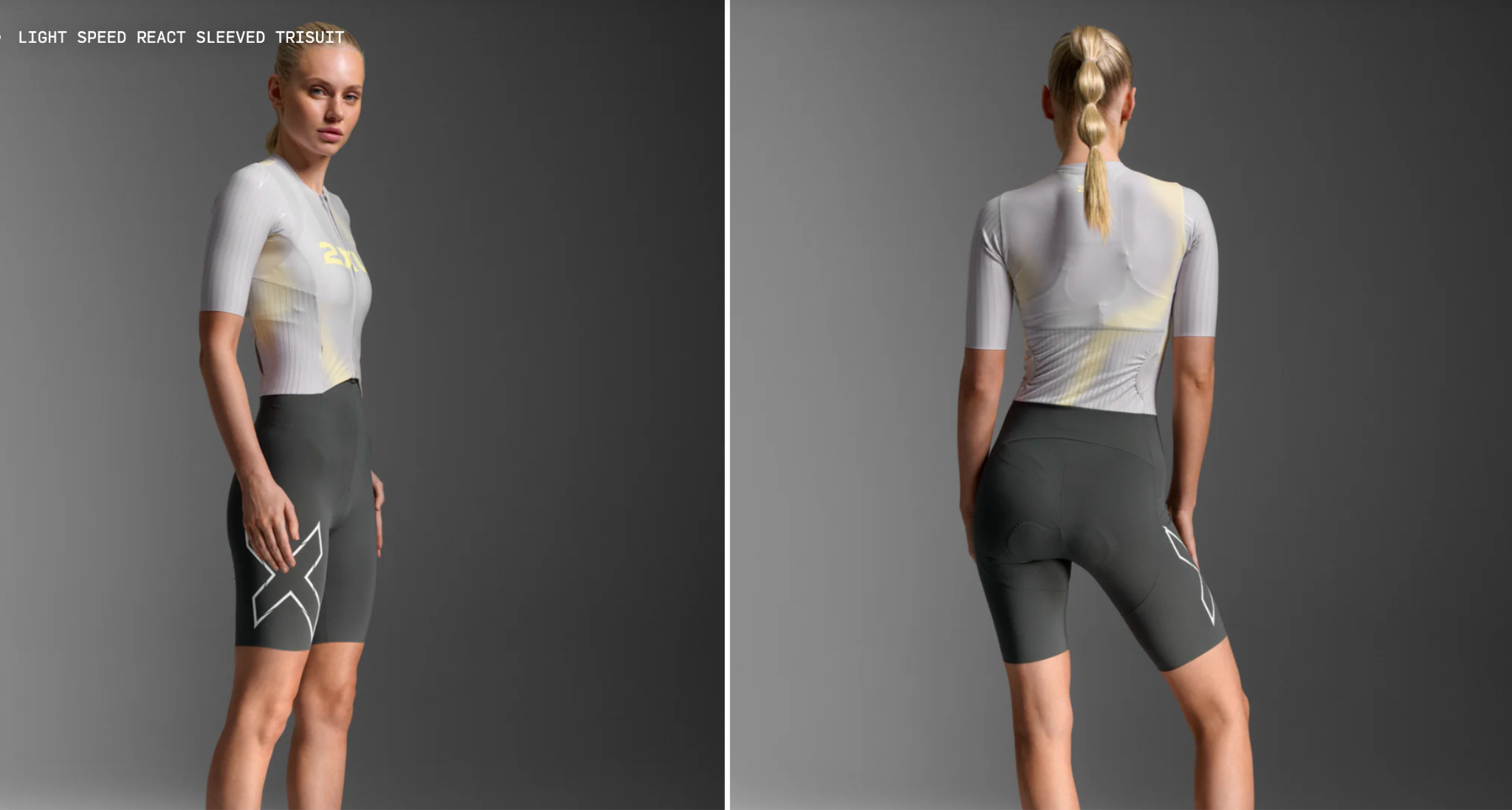 Above: 2XU Light Speed React tri suit women's race fit triathlon suit
Quick takeaway
Most tri suit decisions come down to one thing: - Does it feel right when you’re moving, not just when you’re standing still?
If the answer is yes, you’re in a good place.