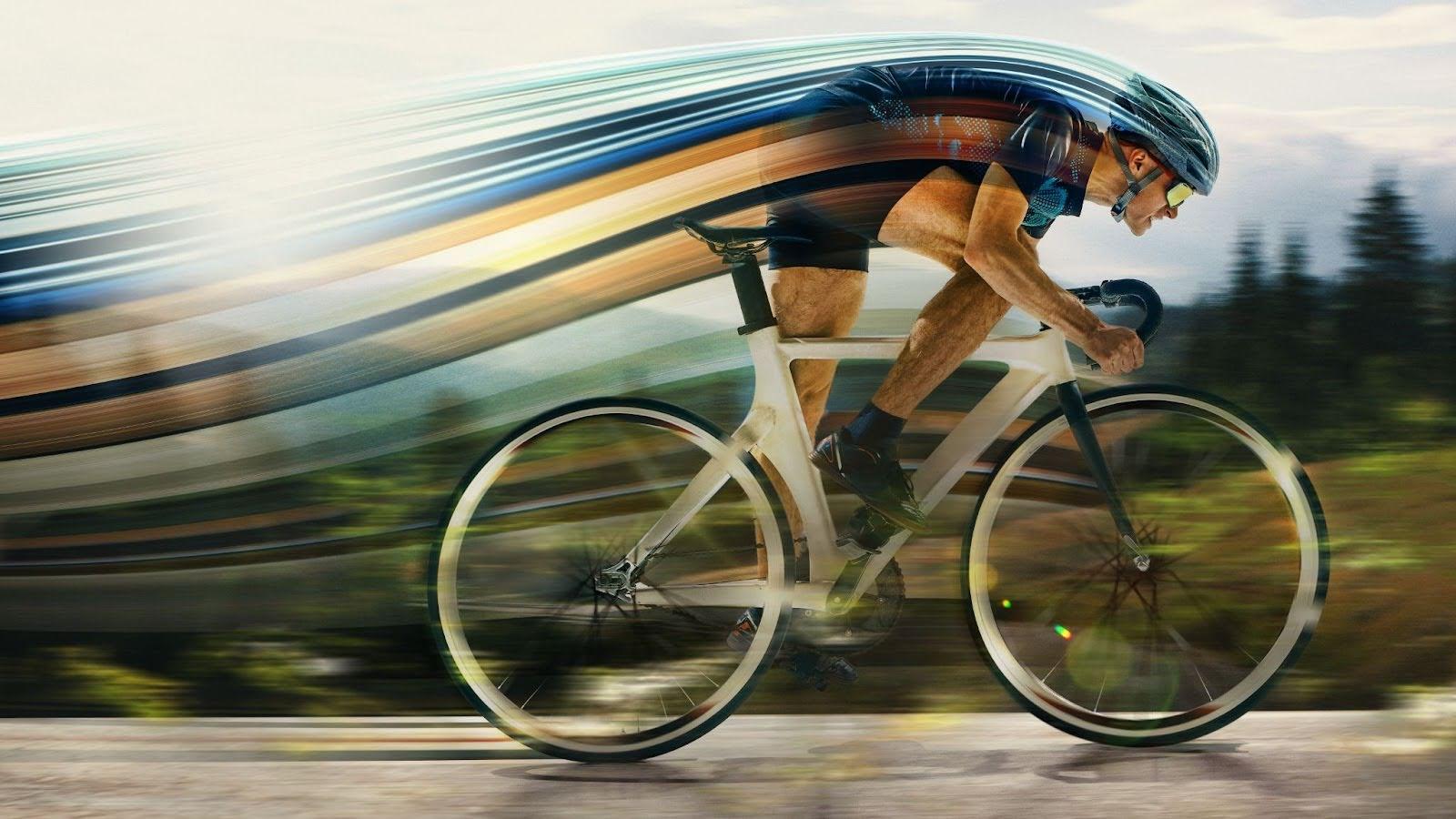
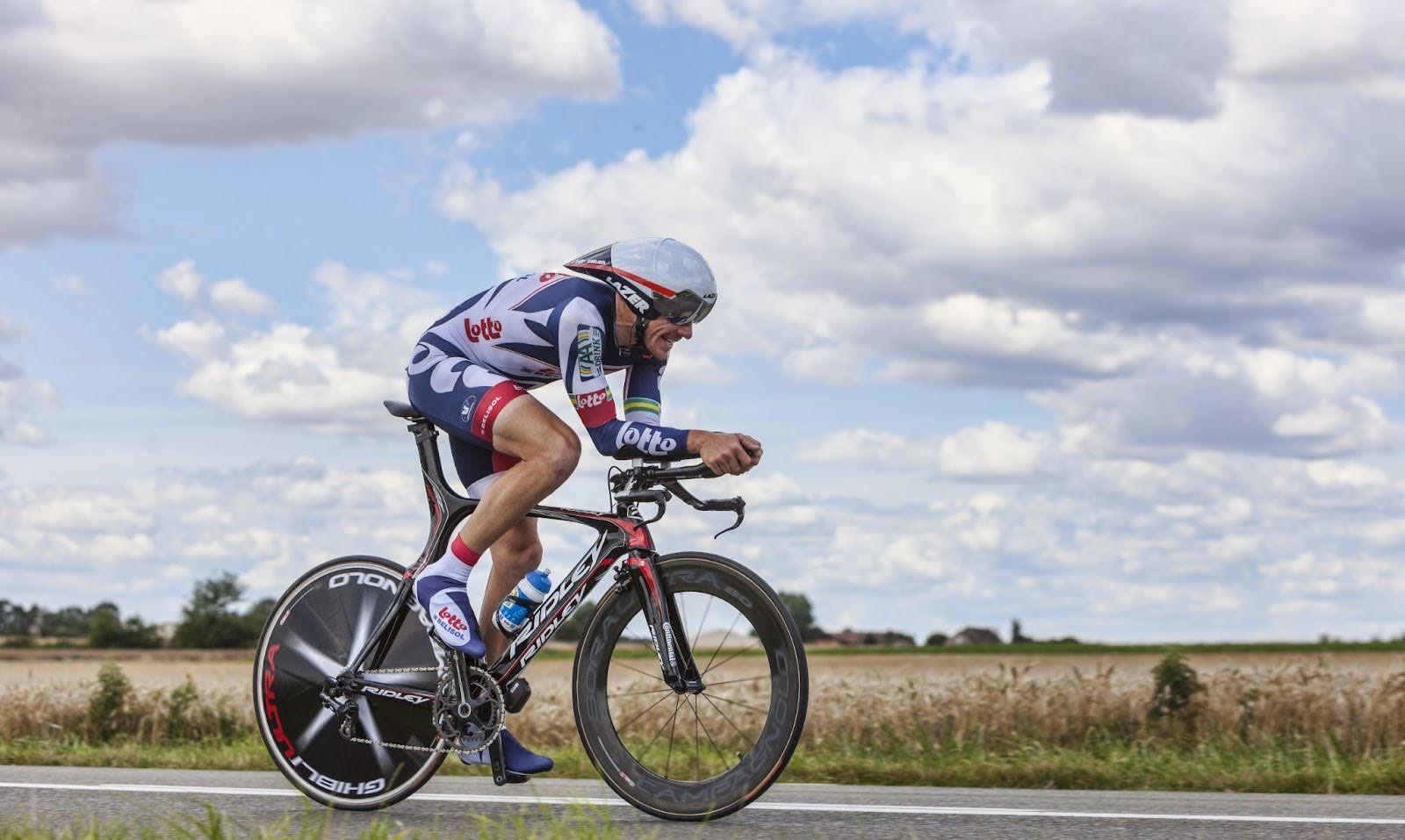
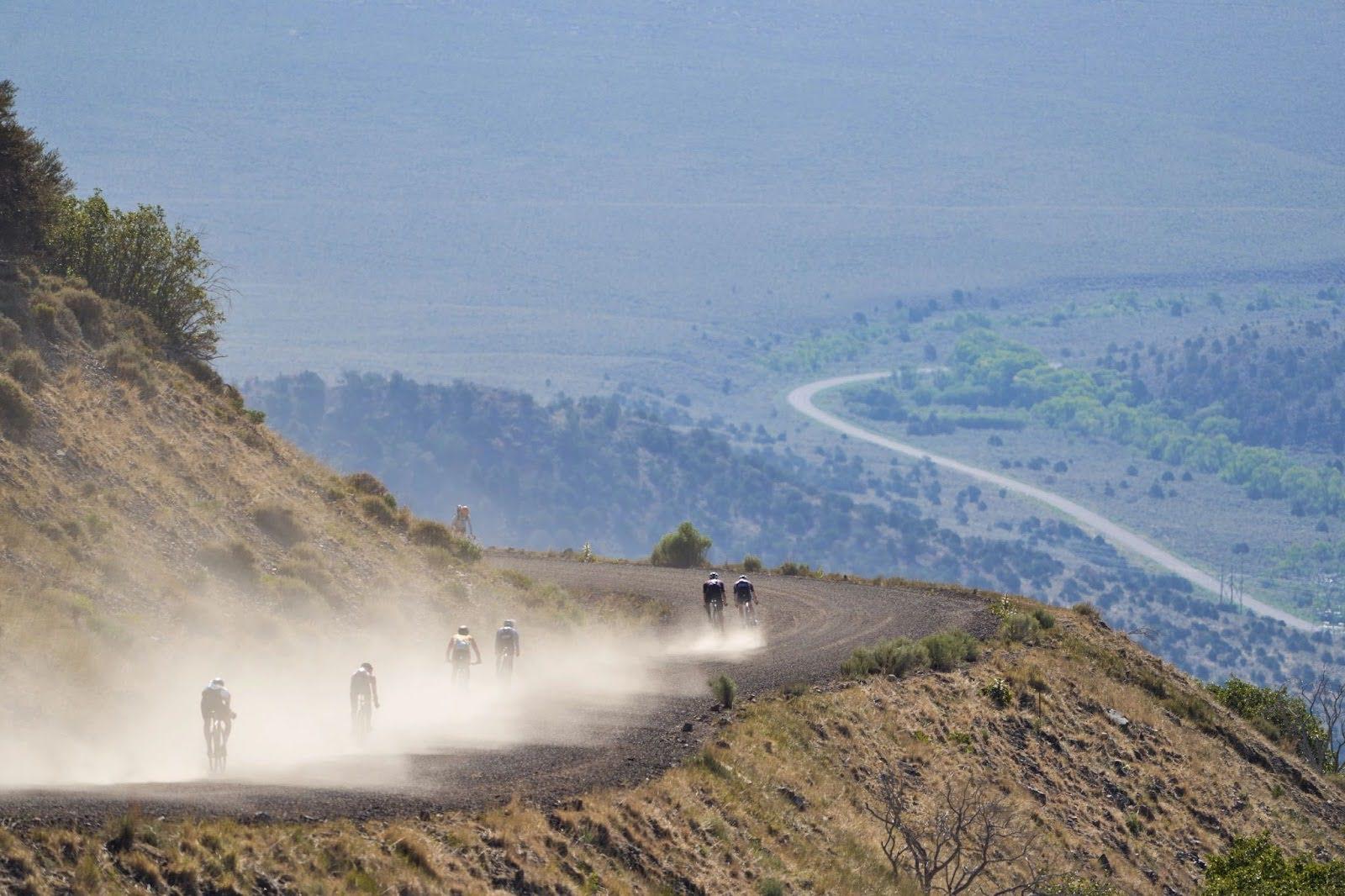
In road cycling, more than any other cycling discipline, aerodynamics has an outsized impact on speed and, therefore, performance.
For us everyday road cyclists riding at average speeds of around 20 to 30 km/h (12.5 to 19 mph), around 55 to 75 percent of our power output is used to overcome aerodynamic drag. So, changes we make to reduce that drag, such as to our riding position, bike or gear, have a considerable impact on how fast we go at a given power output.
Though aerodynamics is important, it should be considered in the context of weight (rider, bike and gear), comfort, efficiency of the riding position and the cost of chasing these gains.
In this article, we’ll discuss the principles of aerodynamics and how they apply to road cycling.
What is aerodynamics in road cycling?
Aerodynamics in road cycling refers to the properties of the “object,” i.e. the cyclist, bike and gear, and how air flows around it.
“Drag” is the force that opposes an object moving through air, and is the resistance you feel while riding. An aerodynamic shape, therefore, is one that reduces the drag.
How wind resistance works in cycling
To understand how aerodynamic efficiency can be improved, it’s helpful to know that there are two types of aerodynamic drag to consider in cycling: pressure and skin friction drag.
Pressure drag is the combined resistance of the high-pressure air that you hit into as you go forward, which pushes against your front to push you back, and the low-pressure air pocket that forms behind you to suck you backwards. This is the more impactful of the two types of drag. It’s reduced by making changes to riding position and bike shape.
Skin friction drag is the resistance created as air molecules move over you and the bike. Air molecules stick to the surface of an object as it moves through the air, creating friction, similar to how rolling resistance is created as a tyre rolls across the road. This drag can be reduced by making a rough surface smoother, e.g. shaving one’s legs, or using aero-optimized textured materials, such as those used on aero socks or skinsuits.
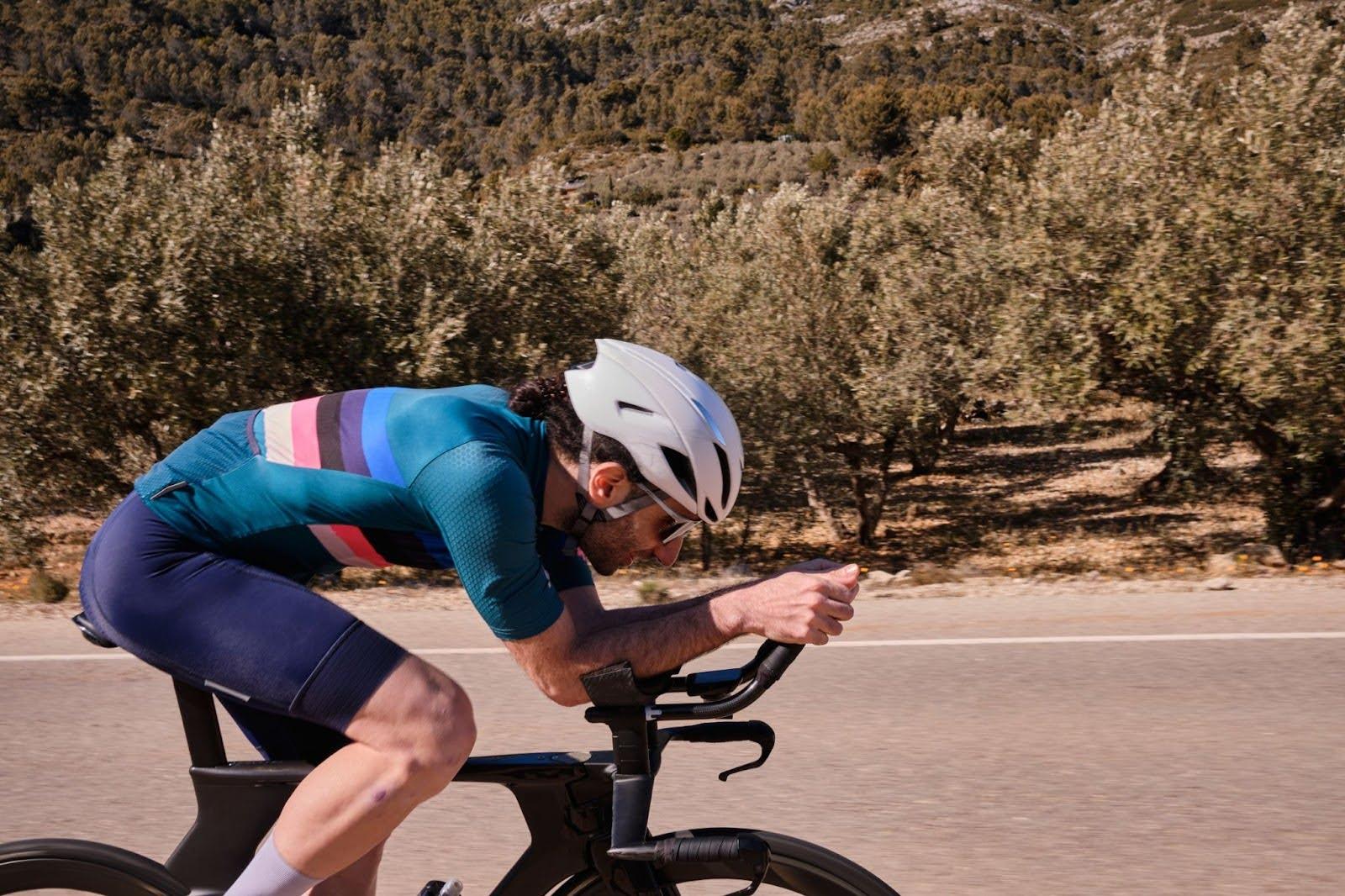
Aerodynamics at different speeds
The importance of aerodynamics in cycling changes drastically based on how fast you ride. The higher the speed, the greater the percentage of your power is required to overcome aerodynamic drag.
The following are rough estimations of the percentage of a rider’s power that is required to overcome aerodynamic drag at different speeds in controlled conditions, as shown on a graph published by aerodynamic technology brand, Aerosensor:
10 km/h: 25%
15 km/h: 40%
20 km/h: 55%
30 km/h: 75%
40 km/h: 80%
The reason aerodynamics is so important in road racing is that average speeds in professional races are so high, meaning greater performance gains can be made through aerodynamic improvements.
The average speed over all stages of the 2025 Tour de France was 42.85 km/h; the Tour de France Femme was 39.065 km/h. Even the tiniest improvement made to aerodynamics, when spread over 77 hours (for the men’s race) or 30 hours (for the women’s race), could be a decisive factor.
What is CdA?
The metric that aerodynamic experts use to represent how aerodynamic a cyclist and their setup is is “CdA.” This can be thought of as your aerodynamic score; the lower, the better. It represents how difficult it is for you to push through the air.
“Cd” (coefficient of drag) is how aerodynamic the shape or riding position is. “A” (frontal area) is the size of the hole that you punch through the air. The two numbers multiplied together give CdA.
Why aerodynamics matter
The importance of aerodynamics to bike riders is simple: improve the aerodynamics of your bike and equipment, and your speed will increase at a given power output.
Modern road cycling puts a big emphasis on the importance of optimizing aerodynamics to gain an edge over the competition.
Each year, the major bike brands release new versions of their race bikes or equipment that claim additional Watt savings over previous versions, or claims of being the fastest of a given product in the peloton.
However, optimization of aerodynamics will, at a certain point, begin to detract more from performance than it adds.
For example, a fully aero helmet, shoe covers and long aero socks will decrease aerodynamic drag, but this equipment also impairs your body’s ability to cool down by shedding heat during higher-intensity efforts. On longer climbs during hot days in cycling races, you’re likely to see even the best riders sacrificing aerodynamics for greater cooling by opening their jerseys, as overheating causes a greater reduction in performance.
This tipping point of reduced performance also applies to how aerodynamic your position is while riding. As one study in the Journal of Biomechanics points out, decreasing your torso angle reduces drag, but it also reduces your physiological function, meaning performance metrics like power output, breathing and other factors are affected.
Therefore, at lower speeds, it’s usually more beneficial to ride in a position that maximizes power output over aerodynamics; exactly what that position is will depend on several factors, but this just illustrates that aerodynamics aren’t the be-all and end-all in road cycling.
Aerodynamics vs. weight
Many bike brands offer two types of road racing bikes: aero and climbing, though some, like Specialized and Trek, at the time of writing, have an all-around lightweight aero bike. The availability of two options makes a lot of us wonder: Which is better?
The faster you ride, the more of your power that goes toward overcoming aerodynamic drag. A complex but frequently debated question is: At what gradient does weight become more important than aerodynamics? Well, that depends largely on how fast you ride, the gradient of the road, and the overall weight of you and your bike.
Stronger cyclists typically maintain higher average speeds, meaning they must work harder against aerodynamic drag. Therefore, the tipping point (as a gradient) at which weight becomes more important than aerodynamics is higher than for regular recreational cyclists who maintain average speeds around 20 to 30 km/h.
As Trek’s senior aerodynamicist, John Davis, describes in this article on aerodynamics versus weight, increasing rider weight pushes the tipping point in favour of the climbing bike, so being light and strong makes aerodynamics even more important. Therefore, non-competitive riders, who typically weigh more than the average competitive cyclist, may benefit more from using a climbing bike.
In the same article as above, the Cervélo engineering department estimates that the tipping point between weight and aerodynamics is around 4-5 percent for the average cyclist, but closer to 8 percent for pros, with all else held equal.
With the above in mind, if you frequently tackle moderate-to-steep climbs on your rides, you’ll likely benefit from an all-rounder or climbing-style road bike.
In contrast, if you live in a flat area or one with shallower hills – or if you like to ride fast in groups – an aero road bike could be preferable.

Factors that influence cycling aerodynamics
There are several factors that influence road cycling aerodynamics, the most important of which are:
A rider’s physical size: Smaller riders can be more aero as they have smaller frontal areas, such as Olympic TT champion Remco Evenepoel.
Riding position: Upright hoods position, drops, aero hoods position.
Bike: Geometry, tubing shapes, rim depth, integration, handlebar width.
Gear: Helmet, clothing shape and material.
Position
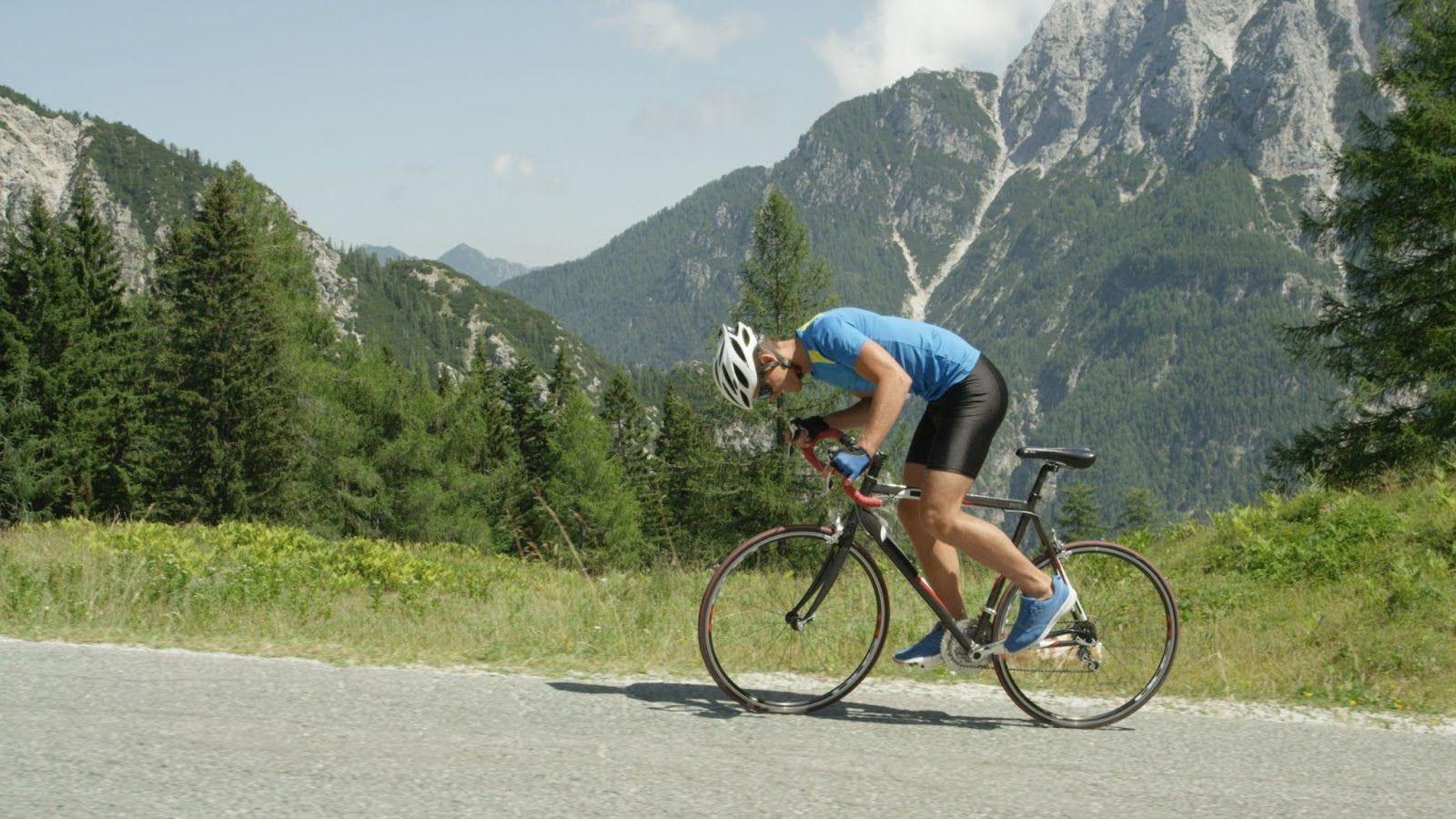
If you watch a road cycling race with a breakaway of riders racing flat out for the stage, you’re likely to see the riders mostly in two riding positions: In the drops, or in an aerodynamic position on the hoods: a horizontal torso with elbows bent at around 90 degrees.
Perhaps counterintuitively, the more aerodynamic of these two positions is the latter, according to one study in the Journal of Sports Engineering and Technology. In this study, the hoods position required 3.38 percent less power than riding in the drops to overcome a constant 45 km/h wind.
Of course, as anyone who has ridden in this horizontal hoods position knows, it’s not very comfortable. Hence, racers and bike fitters go to great lengths to maximize the comfort of the position, and they train in it regularly to improve their ability to hold the position for longer periods.
The study’s authors also highlight that lowering the head will “generally translate to a reduction in aerodynamic drag.”
Handlebar Width
The authors of the paper mentioned above emphasize that aerodynamics are greatly improved by bringing the arms and elbows closer together (inside the silhouette of the torso and hips).
Professionals have been pushing the limits of this in road cycling in recent years by using increasingly narrow handlebars and turned-in hoods. This has prompted cycling’s governing body, the UCI, to set a minimum width of 35 cm in racing, as narrowing one’s bars beyond a certain point has a detrimental effect on handling.