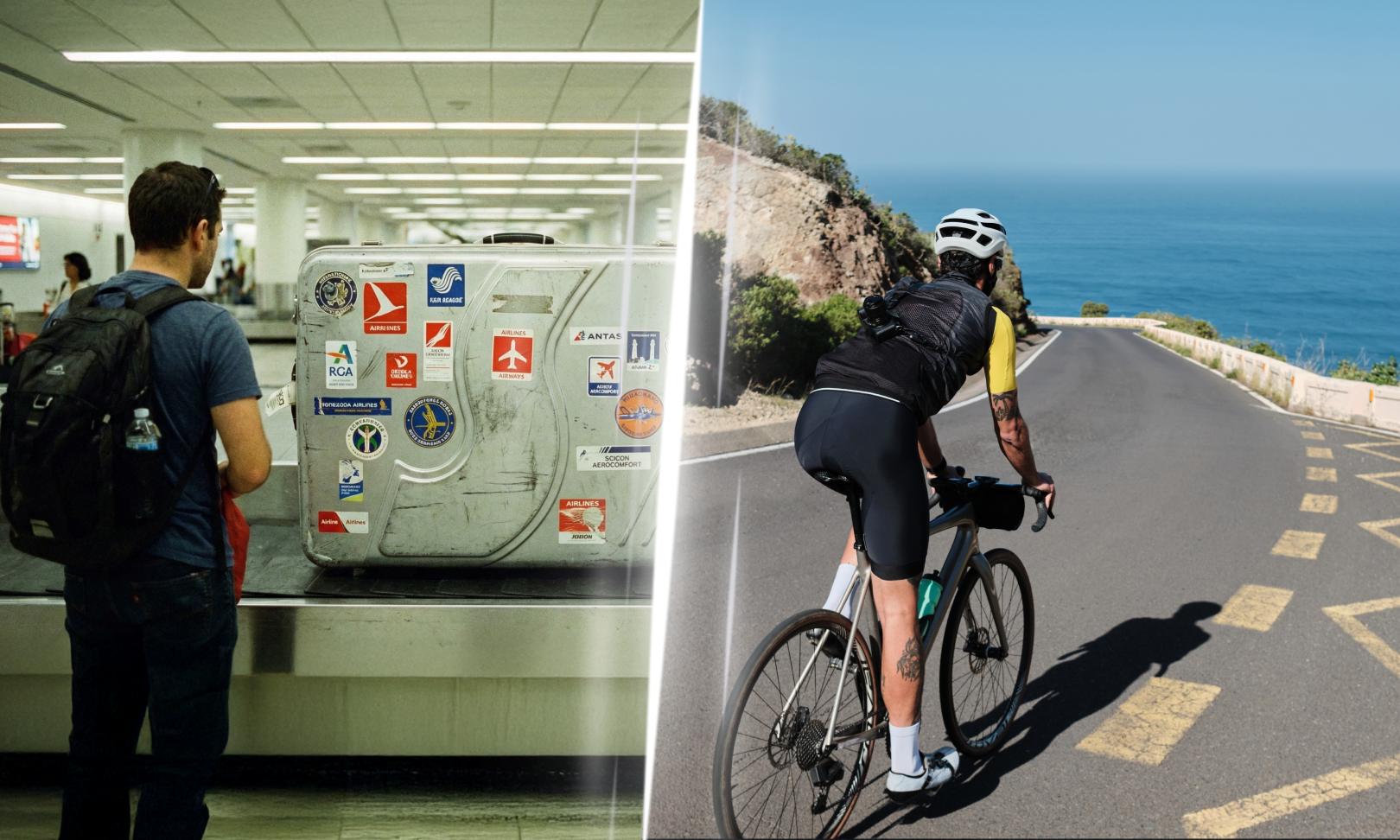
Planning a cycling holiday is one of life’s great joys. New roads. New landscapes. New cafés to discover after the final climb of the day. But before you even clip in, you face a big question: renting vs. bringing your own bike.
You may have been there – standing at the oversized-baggage window at the airport, praying your bike bag appears in one piece. Or scrolling through some rental shop’s website, wondering if “premium road bike” really means what you think it does. For many cyclists, this is the moment when a dream vacation starts feeling a little complicated.
The good news? It doesn’t have to be. With a bit of clarity around costs, comfort and logistics, you can choose the option that fits your trip perfectly.
Here’s a simple guide to help you compare the two options, including a simple cycling vacation cost-comparison, pros and cons, and a few practical, real-life tips.
Rent or pack: Why the choice matters
For hobby cyclists, training-camp beginners and travel-light enthusiasts, a bike’s not just a piece of gear. It’s the vehicle for the holiday itself.
Whether you rent a bike on holiday or fly with your trusty steed shapes your day-to-day experience: how confident you feel on descents, how much luggage you juggle at the airport, even how much sleep you lose the night before the flight.
And while cost plays a part – between rental fees and the cost of flying with a bike – the bigger difference is emotional. Do you want the comfort and familiarity of your perfectly fitted bike, or the ease of showing up with just your clothes, a helmet and a smile?
Let’s take a look at both ways to ride.
Renting a bike on holiday: Quick pros & cons
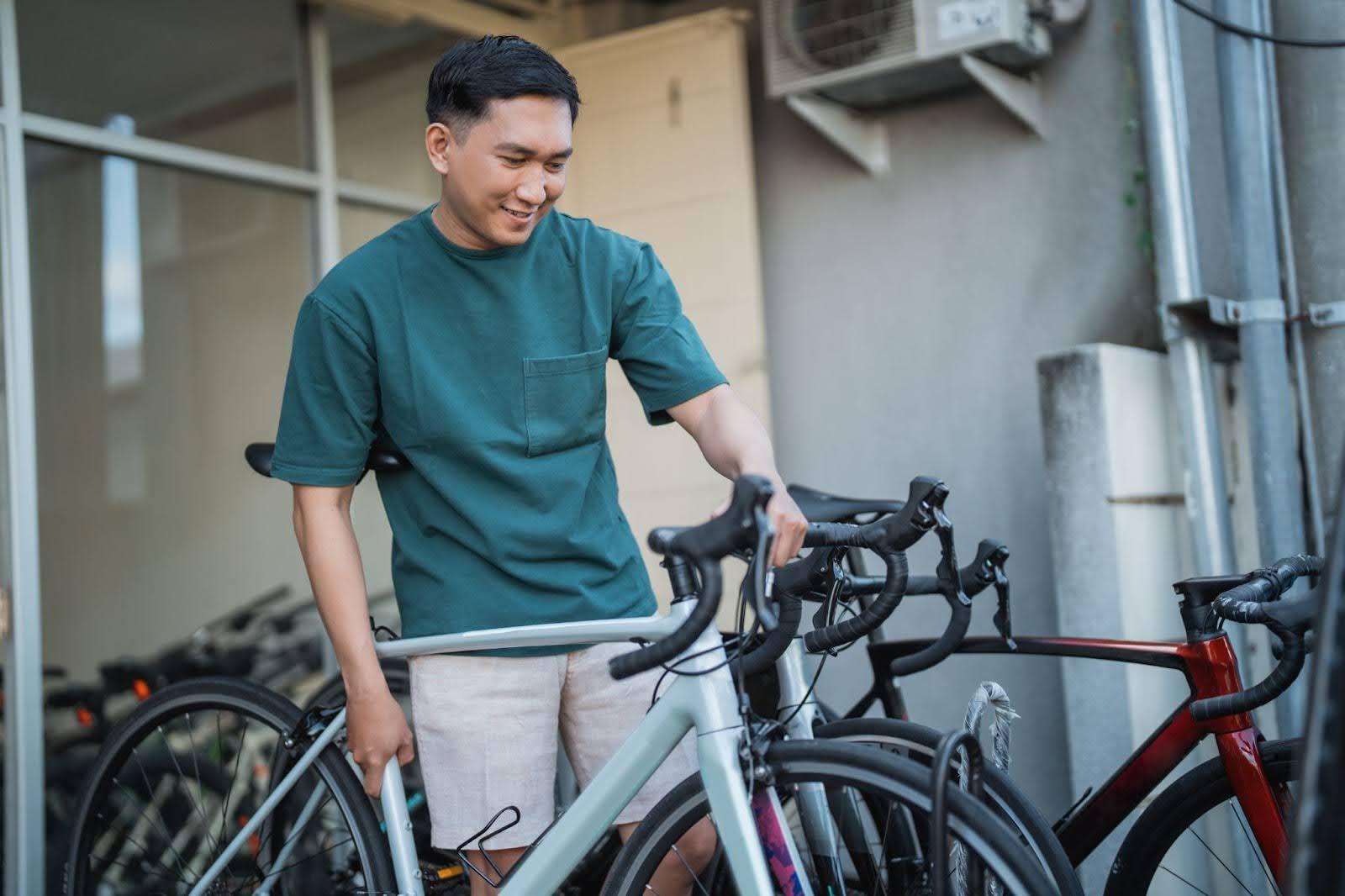
Renting is the breezy, holiday-minded option. Arrive, pick up your ride, roll out. For many cyclists, especially those who prefer to travel light, this simplicity is a game-changer.
Costs:
Rentals typically begin around €35-€60 ($38-$65) per day for quality road bikes, though premium carbon models may run €80-€120 ($87-$130). For week-long holidays, that can add up – but you save money by avoiding airline fees and purchasing a travel bike bag.
Comfort:
Modern rental fleets are better than ever, with reputable shops offering well maintained bikes from trusted brands. Still, nothing beats the feel of your own setup. A rental may be slightly off in stack, reach or handling; and if you’re the type who notices every millimetre of saddle height, you may spend your first ride adjusting.
Logistics:
This is where renting shines. No dragging a bike box through terminals. No worrying about damage. No arranging oversized taxis. For city-to-city trips or multi-stop holidays, renting is simply easier.
Overall experience:
Renting is perfect if you’re adventurous, not too fussy about equipment, or exploring multiple destinations in one holiday. Just keep your expectations flexible. Rental fleets vary in age and availability, especially during peak season.
Mini-tips for renting
- Bring your own saddle. It’s lightweight, packable and instantly familiar.
- Bring your pedals and cleats so you’re not swapping to an unfamiliar system.
- If you’re picky about fit, bring your measurements and ask the shop to prep the bike beforehand.
- Reserve early in popular cycling regions such as Mallorca, Tenerife or the Dolomites.
Bringing your own bike: Quick pros & cons
Flying with your own bike unlocks a special kind of joy. It’s your familiar ride, perfectly dialled, ready to tackle big climbs or long training days. For cyclists who live by routine, there’s no substitute.
Costs:
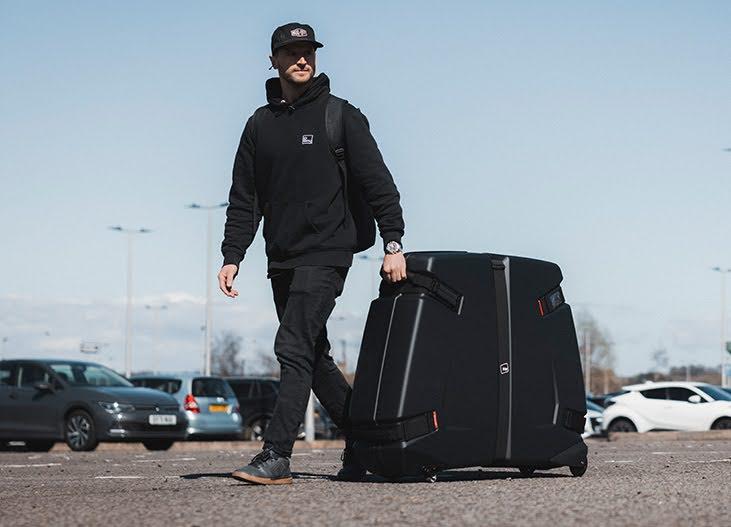
The financial side depends heavily on airline policies. Many carriers charge €50-€150 ($55-$165) each way for bikes. Throw in a good travel bike bag or case, which could cost €250-€600 ($270-$650), plus possible oversized taxi fees – usually €10-€30 ($11-$33). If you fly often, the investment pays off. If not, it can feel steep.
Comfort:
This is the big win. Your ride position is perfect. Your gears shift exactly how you like them. No surprises with tyre choice or the setup of your bike brakes. If you’re the type who gets sentimental about your bike, this is an easy decision.
Logistics:
This is where things get interesting. Travelling with a bike requires disassembly, packing, lugging, checking in and – if the worst happens – making friends with a local mechanic to fix any damage that happened during transit. It’s part adventure, part gamble and – occasionally – part headache.
Overall experience:
Bringing your own bike often feels more “serious cyclist” and less “holiday mode.” But the payoff is consistency: the bike becomes one less unknown in a foreign destination.