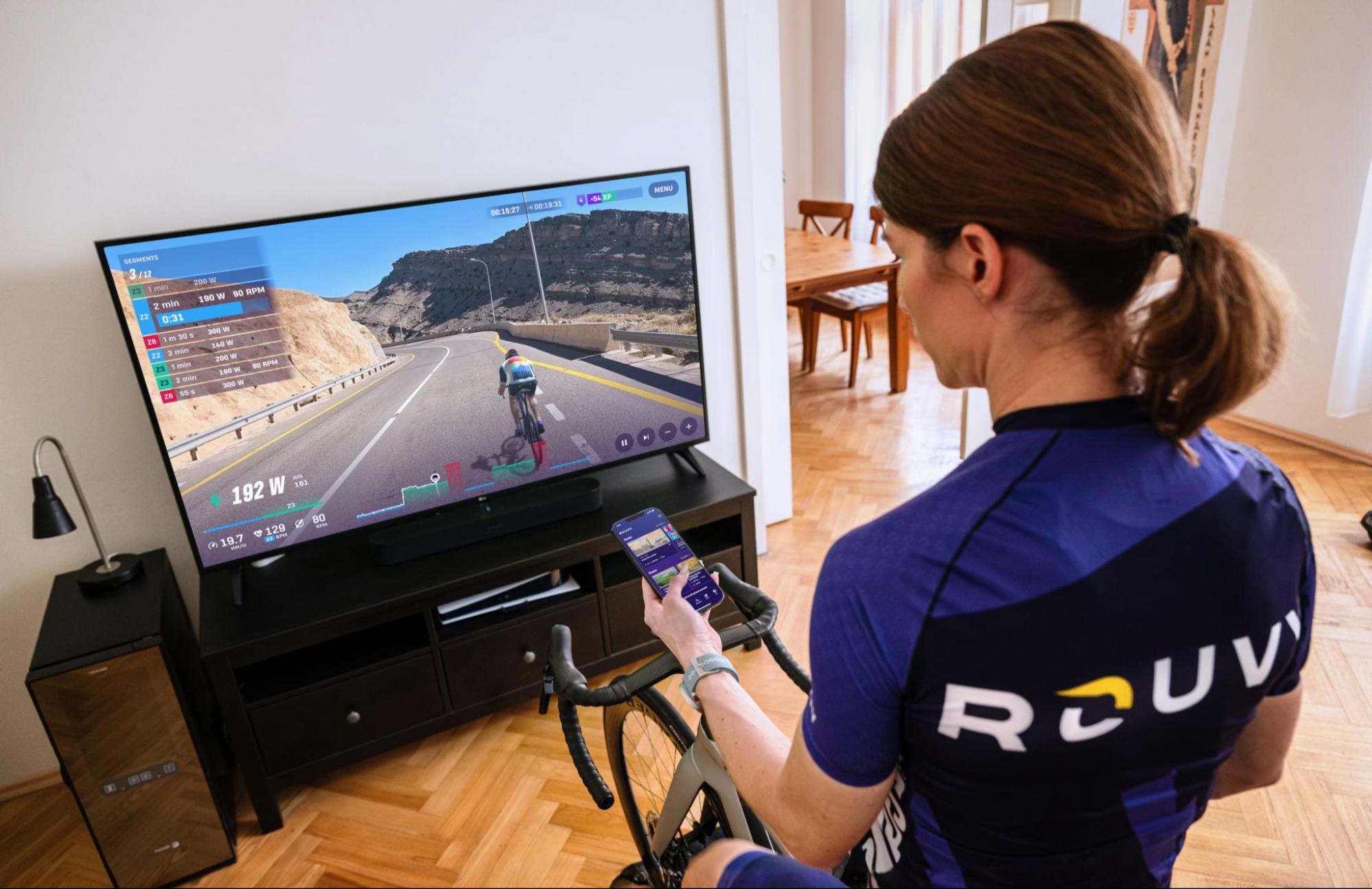
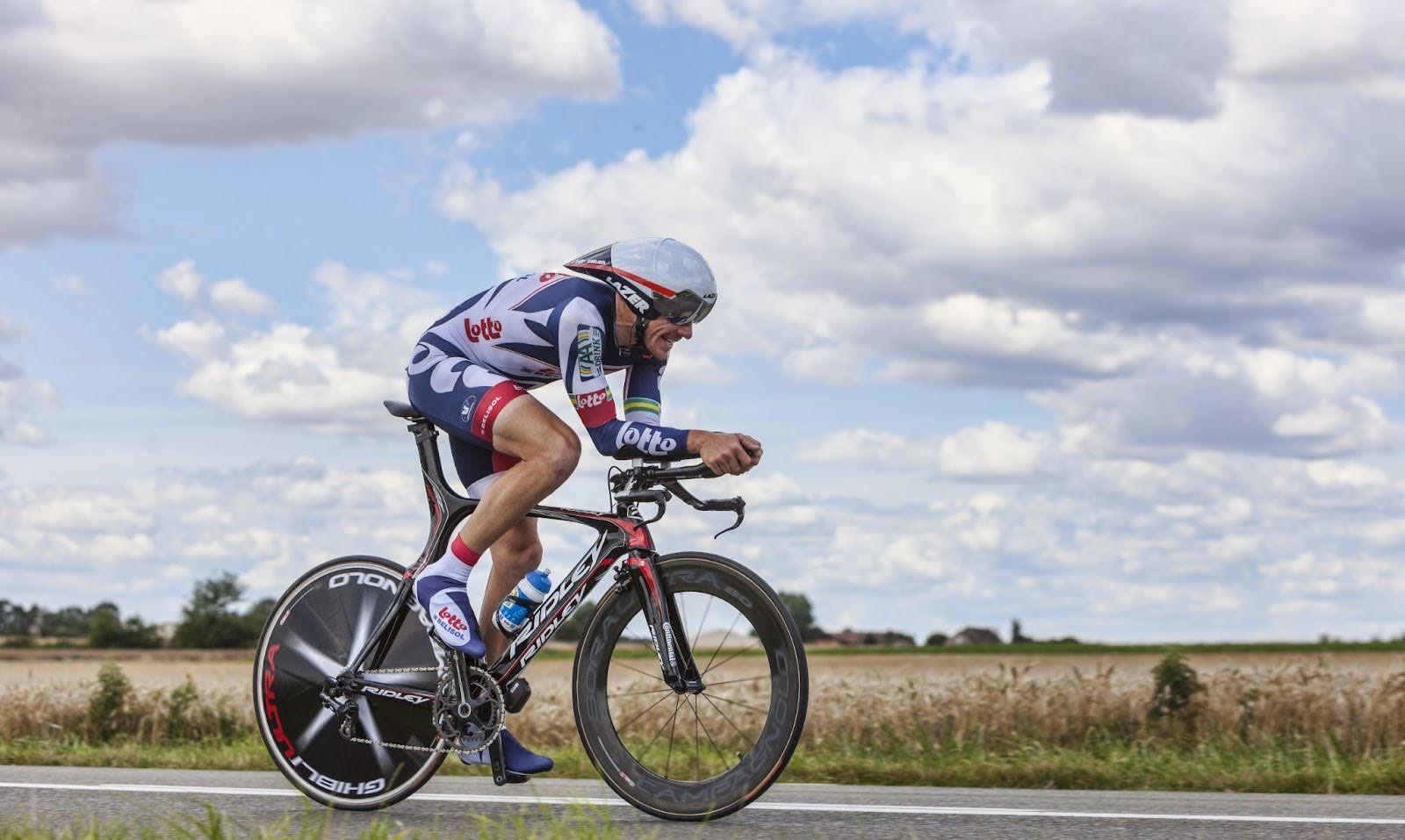
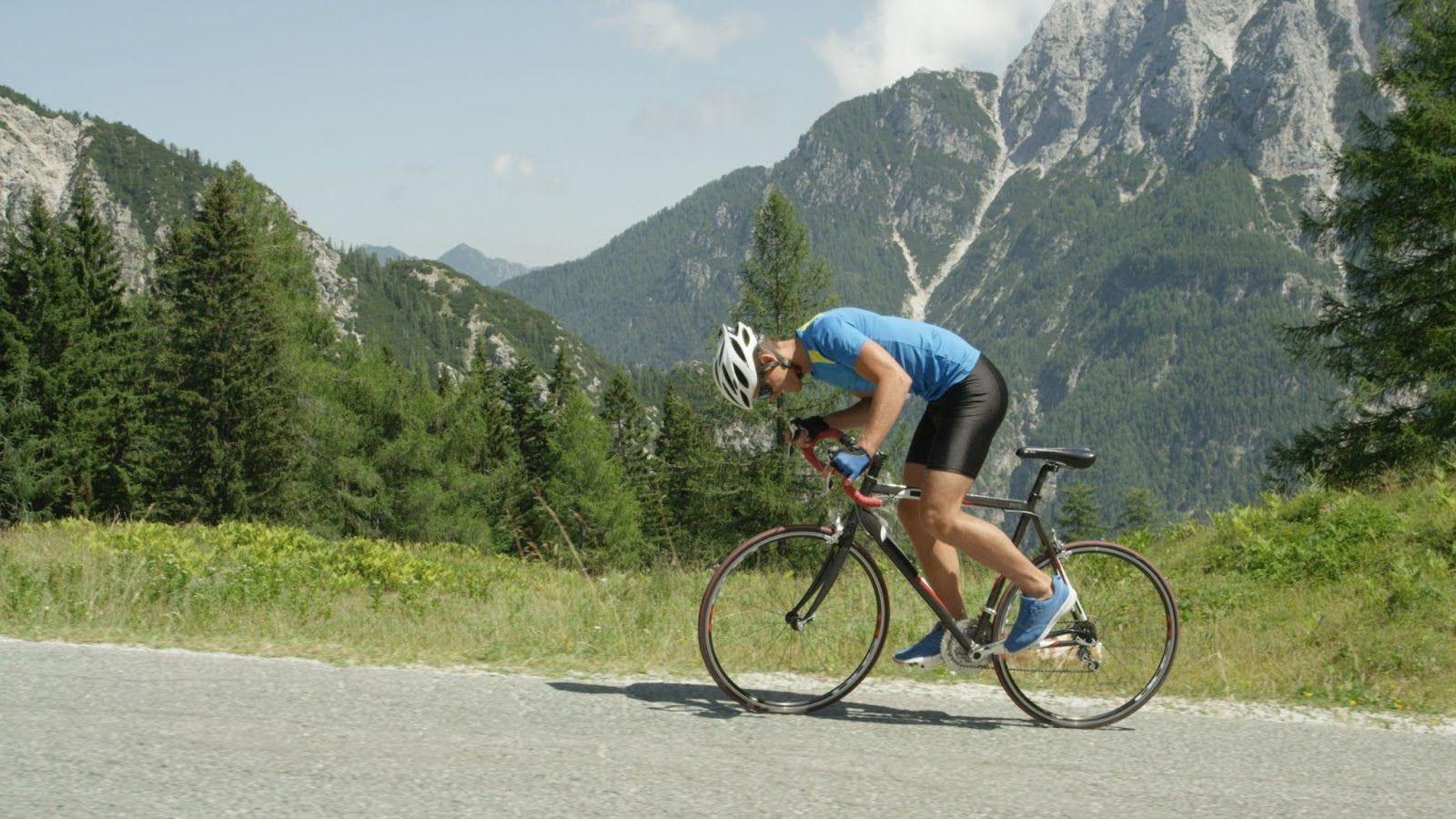
The format and duration will vary by rider, event and training history. If you want to go deeper, ROUVY has dedicated guides on:
What is Zone 2 or endurance work?
Zone 2 or endurance work is steady aerobic riding used to build durability, efficiency and fatigue resistance. ROUVY's Zone 2 training guide covers the topic in more detail. Strictly speaking, this isn't always interval training in the classic sense. Most endurance rides are better done as one continuous, controlled effort rather than chopped into repeated sets.
For many riders, that might be 60 to 120 minutes. More experienced riders may ride for three hours or more, while professionals can spend five or six hours building endurance outdoors.
Indoors, the same principle applies in a more compact form. A flatter, steady ROUVY route can be a brilliant endurance session because the goal is consistency, not constant surging.
What are tempo, sweet spot and threshold intervals?
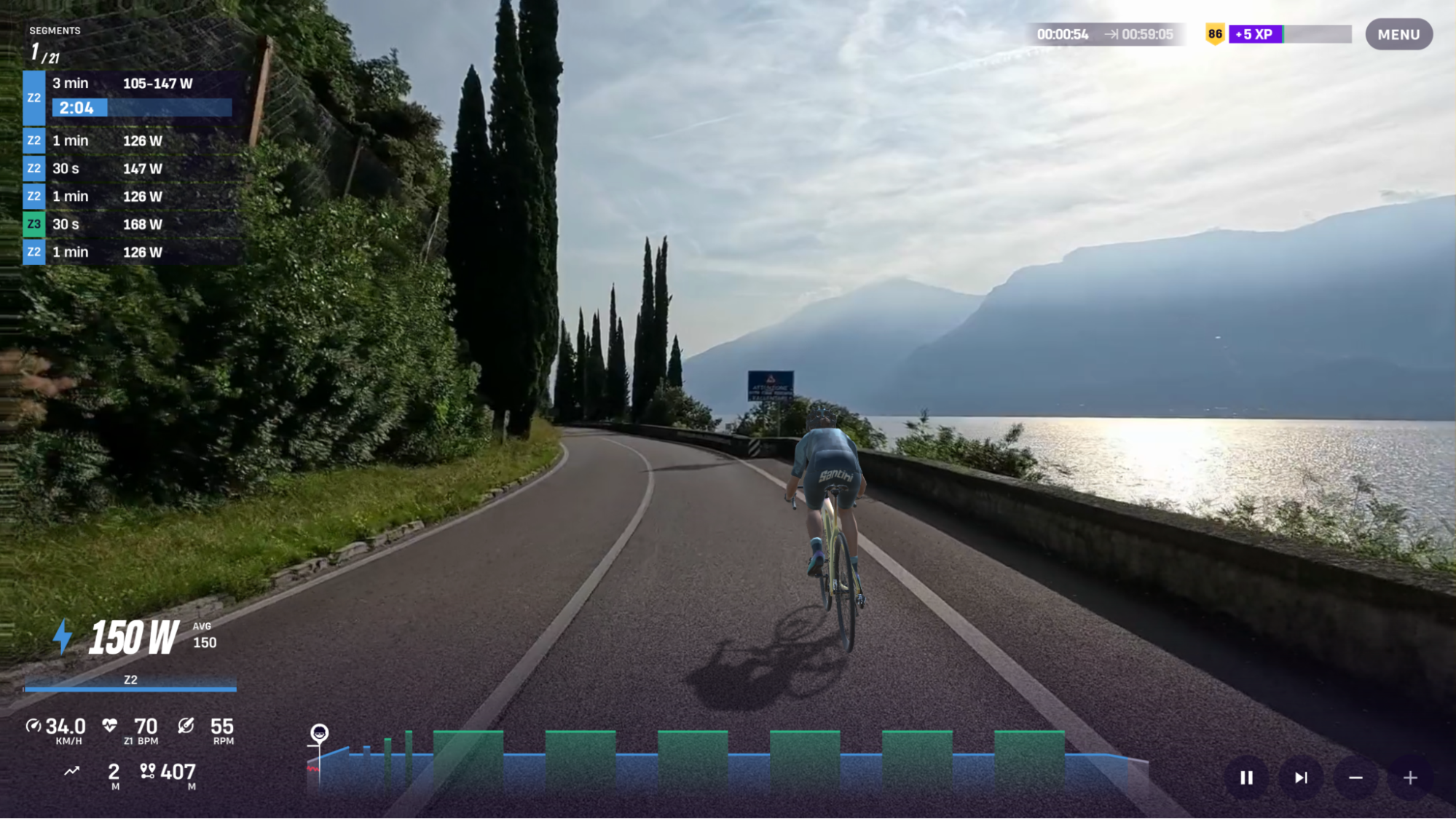 Above: A tempo workout with Z2 recoveries in between.
Tempo, sweet spot and threshold intervals all improve sustained power, but each sits at a different intensity. Tempo should feel firm, sweet spot strong and threshold hard but repeatable. ROUVY's sweet spot training guide is a useful next read for time-efficient fitness.
Tempo builds muscular endurance. Sweet spot sits just below threshold and gives a strong return for the time invested. Threshold targets your ability to ride close to your sustainable limit without tipping over the edge.
The mistake is turning all three into the same thing. If they all feel like a final exam, pacing has gone rogue.
What are VO2 max, anaerobic and sprint intervals?
VO2 max intervals are short, hard efforts designed to improve your ability to use oxygen at high intensity. They're sharper than threshold work, and breathing usually becomes the limiter. ROUVY's VO2 max cycling training guide covers this area in more detail.
Anaerobic intervals are shorter and more explosive. They help with attacks, punchy climbs, bridging gaps and responding when the pace suddenly becomes uncivilised.
Sprint intervals train acceleration, peak power and neuromuscular recruitment. They're short, explosive and fully committed, with enough recovery to repeat the quality. ROUVY's cycling sprint workouts guide gives more examples.
All three are powerful, but the goal is not to crawl through the session. The goal is quality work, followed by enough recovery to build on it.
What is HIIT for cyclists?
HIIT, or high-intensity interval training, is a broad term for sessions built around repeated hard efforts with recovery between them. In cycling, HIIT can include VO2 max intervals, anaerobic repeats, over-unders, micro-intervals and some sprint-focused sessions. ROUVY's HIIT workouts for cyclists article gives more dedicated session ideas.
HIIT is useful when you want to improve high-intensity fitness, race sharpness and the ability to repeat hard efforts. It is less useful when you're already tired, short on recovery or trying to build basic endurance. For many riders, one or two focused HIIT sessions a week is plenty.
What are over-unders, fartlek and micro-intervals?
Over-unders, fartlek and micro-intervals all help cyclists deal with changes in pace. That matters because real riding rarely happens at one perfect steady number.
Over-unders alternate slightly above and below threshold. Fartlek is more unstructured, often using terrain or feel as the trigger. ROUVY's fartlek training guide is useful if you want a less rigid but still purposeful way to add intensity.
Micro-intervals use repeated short bursts, such as 30 seconds hard followed by 30 seconds easy. They're ideal for criteriums and cyclocross, where riders need to handle repeated surges with limited recovery.
What is polarised training and how do intervals fit?
Polarised training organises training so that most riding is easy, while a smaller amount is genuinely hard. In simple terms, it keeps easy rides easy and hard interval sessions properly hard. ROUVY's polarised training guide explains this approach in more detail.
This matters because many riders drift into doing too much moderate work. It feels productive, but it can leave them too tired to ride hard when hard training is actually needed.
A polarised approach doesn't mean every rider follows one fixed formula. It simply reinforces the principle: build the aerobic base, choose your hard sessions carefully, then recover well enough to make them count.
What is the best interval training for cyclists?
The best interval training for cyclists is the session that matches your current goal, event demands and recovery capacity.
There is no single best workout. A sportive rider, triathlete, criterium rider, cyclocross racer and climber will not all need the same session.