- Most cyclists will usually land somewhere between 30 and 90 g/h
- 30 to 60 g/h suits plenty of rides around 90 to 150 minutes
- 60 to 90 g/h makes more sense once rides get longer, harder, or more race-like
- 90+ g/h can work, but it needs practice and isn’t the default answer for everyone
- Starting well fuelled matters just as much as what you take in during the ride
- The best fuelling plan is the one you’ve practised, tolerated, and can actually execute
Andy Layhe — 5/6/2026
Carbs Per Hour of Cycling: How Many Carbs Do Cyclists Need?
Carbs per hour cycling is simply the amount of carbohydrate you take in during a ride to keep blood glucose stable, protect glycogen, and stop your legs quietly filing for resignation in the final hour.
En résumé
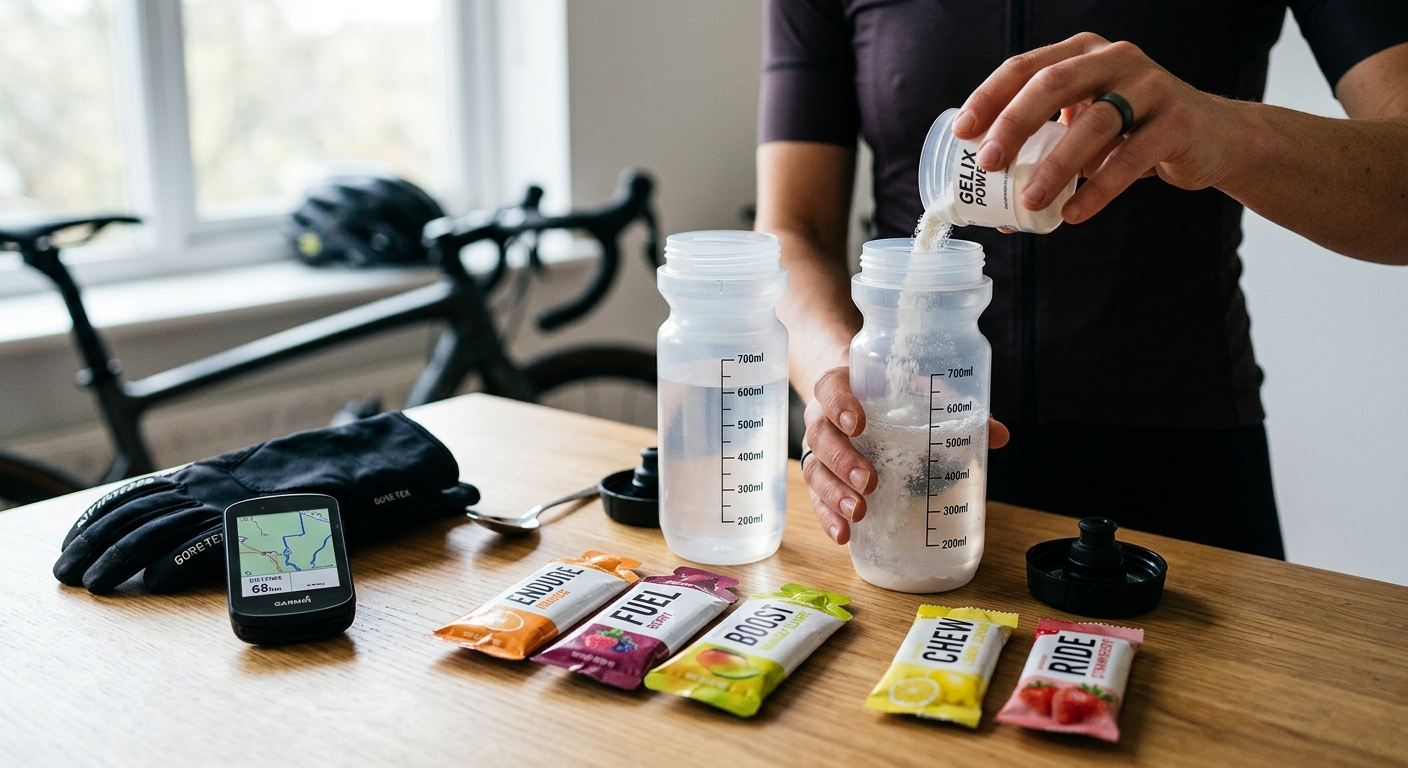
It matters more than plenty of riders like to admit, because you can be one of the fittest riders out there, but if you get your fuelling wrong before and during it, your fitness can disappear alarmingly fast.
They train brilliantly, turn up in good shape, then slowly come apart because they treated nutrition like a side issue instead of part of the performance plan. For most cyclists, the practical answer is 30 to 90 grams per hour, depending on ride length and intensity, while 90 to 120 g/h is a more advanced, trained option rather than the default.
How many carbs per hour does cycling usually require
How many carbs are needed per hour depends mainly on ride length, intensity, and how experienced you are with fuelling. A short, easy ride may need very little during the session, while a long, hard ride or race can fall apart surprisingly quickly if intake is too low. In practice, it usually looks something like this.
Carbs per Hour for Cycling
| Ride type | Usual carb target | When it fits best | Simple example |
|---|---|---|---|
| Easy ride under 90 minutes | 0 to 30 g/hg | Recovery rides, easy spins, riders who started well fuelled | Water, or one light 500 to 750 ml bottle with carbohydrate drink mix |
| Hard ride under 90 minutes | 20 to 40 g/h | Short races, hard indoor intervals, punchy sessions | One 500 to 750 ml bottle with carbs, or one gel |
| 90 to 150 minutes | 30 to 60 g/h | Endurance rides, tempo rides, steady indoor sessions | One 500 to 750 ml carb bottle plus a gel if needed |
| 2.5+ hours | 60 to 90 g/h | Long endurance, sportives, race simulations, hard group rides | One or two 500 to 750 ml bottles with carbs plus gels or chews |
| 3+ hours at high load, advanced rider | Sliding forward | Demanding racing or very high training load | Higher-carb 500 to 750 ml bottles plus extra gels or chews |
| Usual carb target | |
|---|---|
| Easy ride under 90 minutes | 0 to 30 g/hg |
| Hard ride under 90 minutes | 20 to 40 g/h |
| 90 to 150 minutes | 30 to 60 g/h |
| 2.5+ hours | 60 to 90 g/h |
| 3+ hours at high load, advanced rider | Sliding forward |
| When it fits best | |
|---|---|
| Easy ride under 90 minutes | Recovery rides, easy spins, riders who started well fuelled |
| Hard ride under 90 minutes | Short races, hard indoor intervals, punchy sessions |
| 90 to 150 minutes | Endurance rides, tempo rides, steady indoor sessions |
| 2.5+ hours | Long endurance, sportives, race simulations, hard group rides |
| 3+ hours at high load, advanced rider | Demanding racing or very high training load |
| Simple example | |
|---|---|
| Easy ride under 90 minutes | Water, or one light 500 to 750 ml bottle with carbohydrate drink mix |
| Hard ride under 90 minutes | One 500 to 750 ml bottle with carbs, or one gel |
| 90 to 150 minutes | One 500 to 750 ml carb bottle plus a gel if needed |
| 2.5+ hours | One or two 500 to 750 ml bottles with carbs plus gels or chews |
| 3+ hours at high load, advanced rider | Higher-carb 500 to 750 ml bottles plus extra gels or chews |
How many carbs are needed per hour depends mainly on ride length, intensity, and how experienced you are with fuelling.
Why starting fuelled matters just as much as carbs per hour
Starting fuelled matters because on-bike carbs work best when they’re supporting a system that was already in decent shape before the first pedal stroke. If you start a ride underfed, skip breakfast, or roll into a long event with half the tank already missing, you’re asking your ride nutrition to rescue a problem that should never have been there in the first place.
This is where riders often get it wrong. They focus on the headline number, whether that’s 60 g/h or 90 g/h, but ignore the fact that they came into the ride poorly prepared. Then they act surprised when the session still feels flat, the final hour still feels grim, or recovery still feels poor afterwards.

Good nutrition is regular and deliberate. It starts before the session, continues during it, and matches the job you’re asking your body to do.
That matters whether you’re riding a sportive, doing a hard ROUVY workout, racing, or heading out for a long endurance day. If the ride matters, then your preparation matters too.
What changes in how many carbs per hour cycling you need
How many carbs per hour you need changes most with ride length, intensity, session goal, and the rider themselves. That last bit matters more than people think. Across the riders I coach, from sportive riders right through to elite and world-class level, carb needs can vary quite a lot based on age, size, body weight, phenotype, training background, and what the session is actually trying to achieve.
Duration matters because longer rides drain glycogen more heavily. A well-fuelled rider can often get through an easy hour with little or no carbohydrate during the ride, but once that turns into three hours, the maths changes quickly.
Intensity matters because harder riding burns through carbohydrate at a faster rate. A relaxed endurance spin and a threshold-heavy indoor workout might last the same amount of time on paper, but they’re asking very different questions of your fuel stores.
Session goal matters too, because a steady endurance ride, a race-simulation workout, a long sportive, and a short high-quality interval session may all call for different fuelling choices, even before you factor in the rider. That’s why there isn’t one magic number that suits everybody.
Then there’s the rider themselves. Some athletes can tolerate higher intakes quite early, while others need time to build up to them. Some do well with drink mix and energy gels, others are better with a different combination of foods, and that’s exactly why good coaching and good fuelling practice matter.
For the riders I work with, this is all practised in training. We don’t roll up to an important event and suddenly decide to try a new carb target because it looked impressive online. Intake is built gradually, tested under different session demands, and refined over time. You could call that nutrition training, and that’s exactly what it is. Riders have their own limits, their own tolerances, and the foods or products that actually work for them when the effort goes up and the pressure comes on.
When do 30 to 60 g/h, 60 to 90 g/h, and 90+ g/h make sense?
Thirty to sixty grams per hour is enough when the ride is moderately long, reasonably controlled, and not so intense that you’re chewing through glycogen at full tilt. For many cyclists, this is the bread-and-butter range for weekend endurance rides, tempo work, steady indoor sessions, and a lot of general training because it’s practical, usually easy to tolerate, and covers far more riding than social media would have you believe.
Sixty to ninety grams per hour makes more sense once the ride becomes longer and harder, especially beyond about 2.5 hours. This is the range that helps protect the quality of the second half of a ride, which is usually where the real damage happens if fuelling is poor. If you want to stop the final hour turning into a slow-motion decline in mood, power, and decision-making, this is often where the answer sits.
Ninety grams per hour and above can be useful in demanding racing, very long rides, or heavy training blocks, but it isn’t a badge of honour on its own. Higher intakes usually work best when riders use mixed carbohydrate sources and build up gradually, rather than jumping from modest fuelling straight into pro-level numbers and hoping their stomach goes along with it.
That’s where gut training comes in. Gut training means practising your race or long-ride fuelling in training so your body gets better at handling carbohydrate more comfortably. The gut is trainable, but it does appreciate a bit of warning rather than being ambushed on the day.
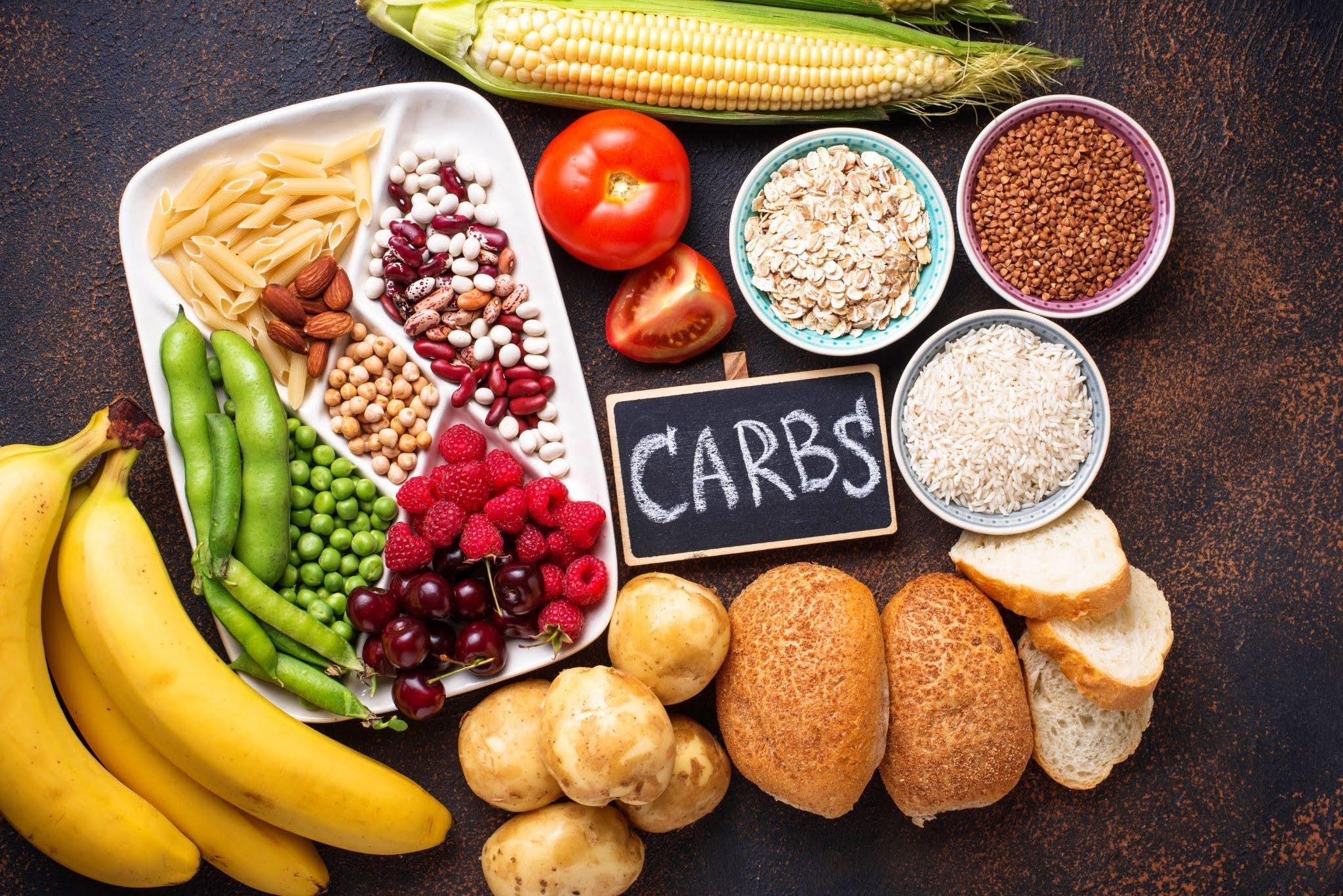
A simple way to look at it is this:
- Up to 60 g/h is realistic for many riders quite quickly
- 60 to 90 g/h is very useful and often worth practising
- 90+ g/h is advanced, event-specific, and best built gradually
Short and easy, keep it simple. Long or hard, fuel with intent. Long and hard, don’t wing it.
What are the best ways to hit your target in real riding?
The best ways to hit your carb target are the ones you can measure easily, tolerate well, and repeat consistently. Drink mix, gels, chews, and bars can all work, but the higher the target, the more useful a measured drink mix tends to become because it makes the numbers easier to control.
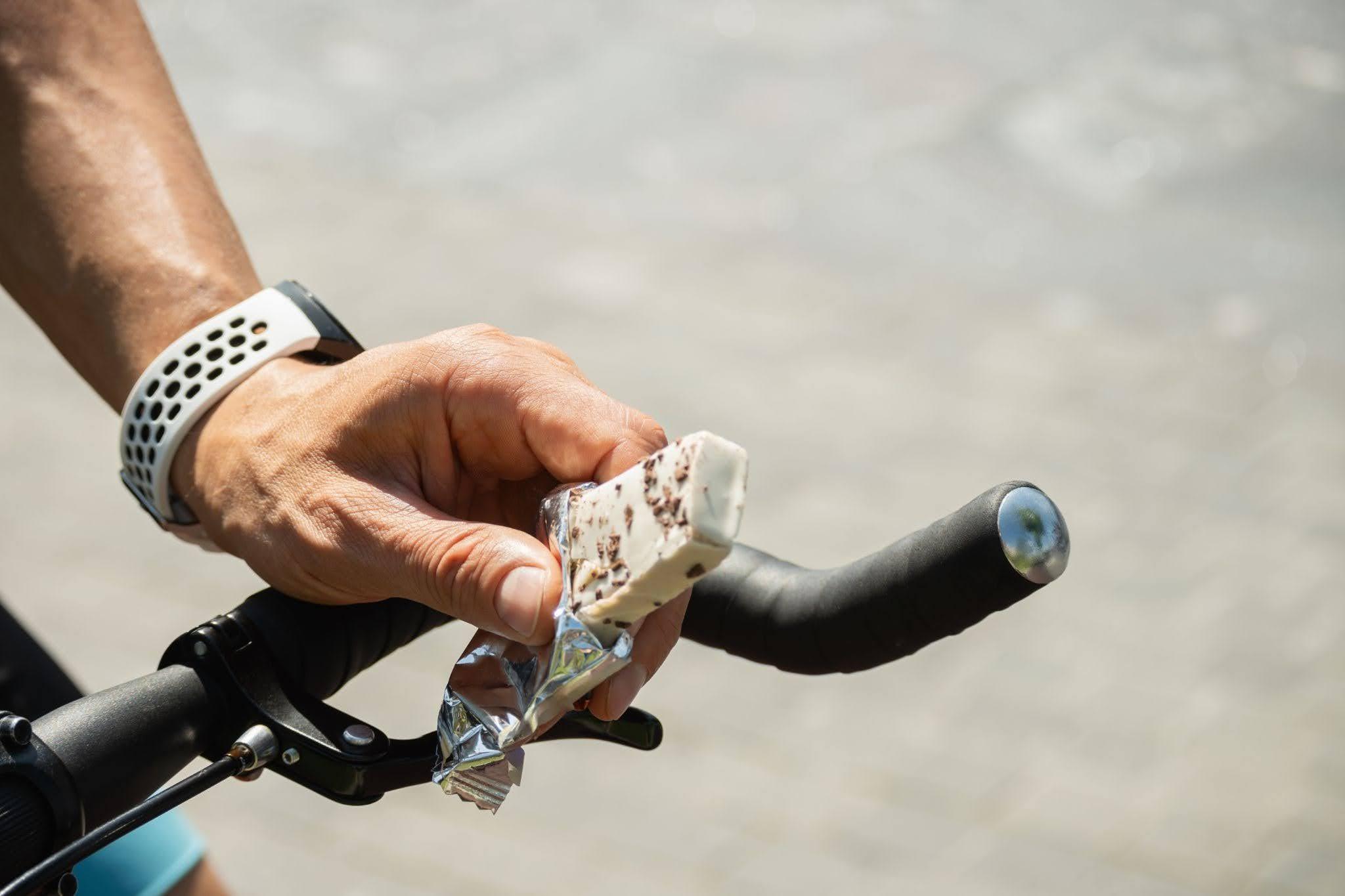
A carb bottle usually means a 500 to 750 ml bottle containing carbohydrate from a drink mix, powder, or concentrate mixed into water. That carbohydrate might come from maltodextrin, glucose, fructose, sucrose, or a blend, depending on the product. Some riders make their own mixes, while others use ready-made sports drink powders. The key point isn’t whether it sounds fancy. It’s whether you actually know how many grams of carbohydrate are in the bottle, because guessing rarely ends well.
Here are simple ways to build the numbers in practice.
30 g/h
- One 500 to 750 ml bottle containing roughly 30 g of carbohydrate, or one standard gel over the hour.
45 g/h
- One lighter carb bottle plus a few chews, or one gel plus some drink mix.
60 g/h
- One stronger 500 to 750 ml bottle mix, or one bottle plus one gel.
90 g/h
- A 500 to 750 ml bottle with around 60 g of carbohydrate plus one 30 g gel, or three smaller 30 g servings spaced across the hour.
100 to 120 g/h
- Usually, one or two more concentrated 500 to 750 ml bottles plus extra gels or chews, and only really sensible if you’ve practised it.
How often you eat matters too. Small regular doses every 15 to 20 minutes usually work better than waiting until you feel flat and then trying to rescue the ride in one heroic gulp. The goal is steady support, not nutritional panic management.
What are the primary mistakes that lead to underfueling?
- Waiting too long to start: Performance often slips before you feel "empty," so starting late means you're already playing catch-up.
- Starting the ride underfueled: On-bike fueling should supplement a full tank, not act as a rescue plan for skipping breakfast or pre-ride meals.
- Using a "one-size-fits-all" approach: Different intensities (recovery vs racing) require different fueling plans; each ride needs a strategy that matches the effort.
- Copying high-carb targets without context: High intake isn't always better; it needs to be justified by the duration and intensity of the ride.
- Ignoring product type: As you increase intake, the specific gels or drinks you use matter more to avoid stomach distress.
- Failing to practice in training: You shouldn't leave your gut out of your training plan; race-day fueling needs to be practised just like intervals.
- Missing early warning signs: Sudden drops in power, loss of focus, sour moods, or extreme post-ride hunger are all indicators that your fueling strategy failed.
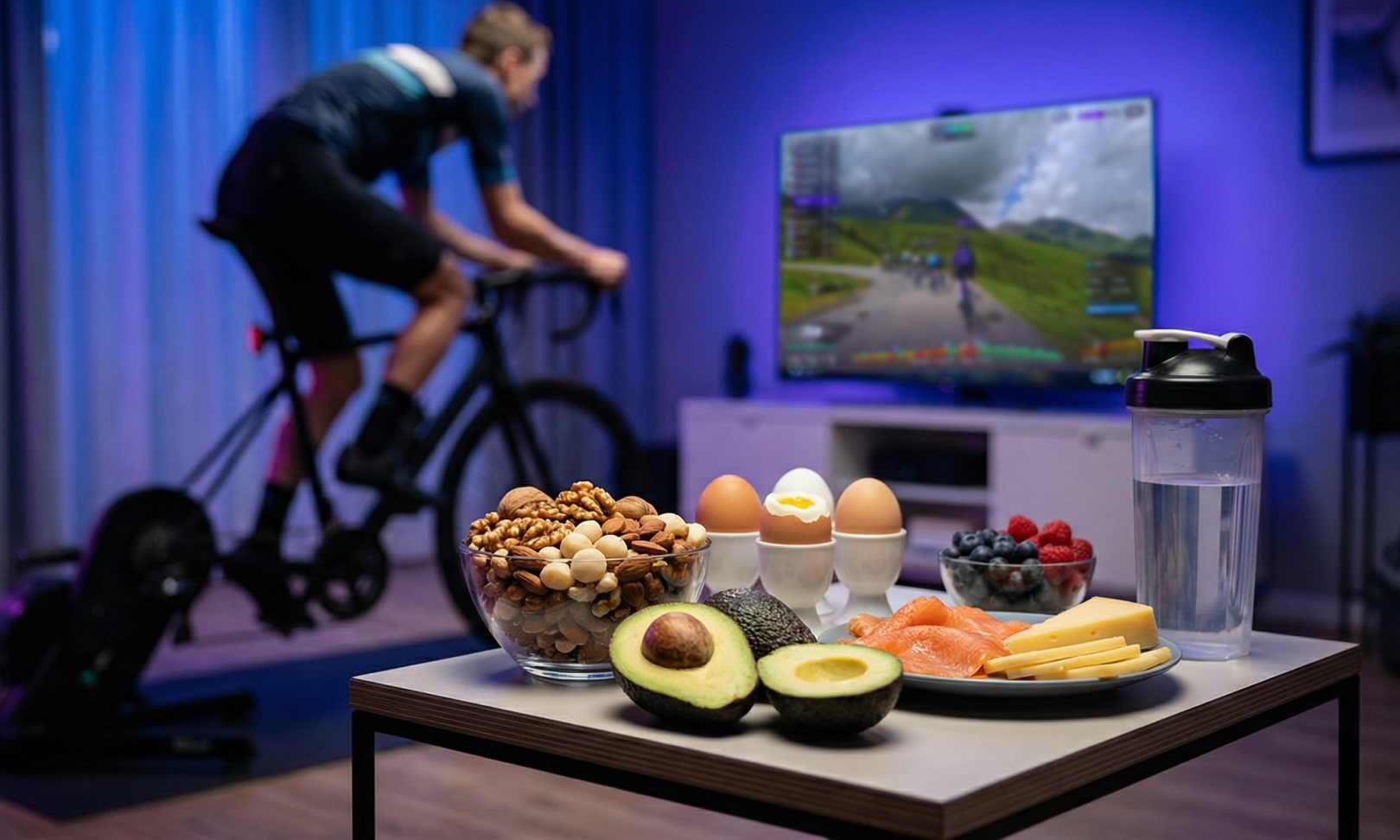
Gut testing indoors
Most cyclists asking about carbs per hour of cycling don’t need a complicated formula. They need a practical range that fits the ride in front of them and a fuelling plan they’ve actually rehearsed. For most real training and racing, that range is 30 to 90 grams per hour. Thirty to sixty is often enough for moderately long rides, sixty to ninety makes more sense as duration and intensity rise, and ninety plus is something to earn through practice rather than assume by default.
The real aim isn’t to eat as much as possible. It’s to fuel well enough that the session stays productive, the final hour doesn’t unravel, and recovery isn’t wrecked afterwards.
On ROUVY, that’s easy to test. Try one long endurance ride at 45 to 60 g/h, one harder workout at 60 g/h, and one race-simulation session at 75 to 90 g/h if the duration justifies it. You’ll learn more from three controlled tests than from ten conflicting opinions online.
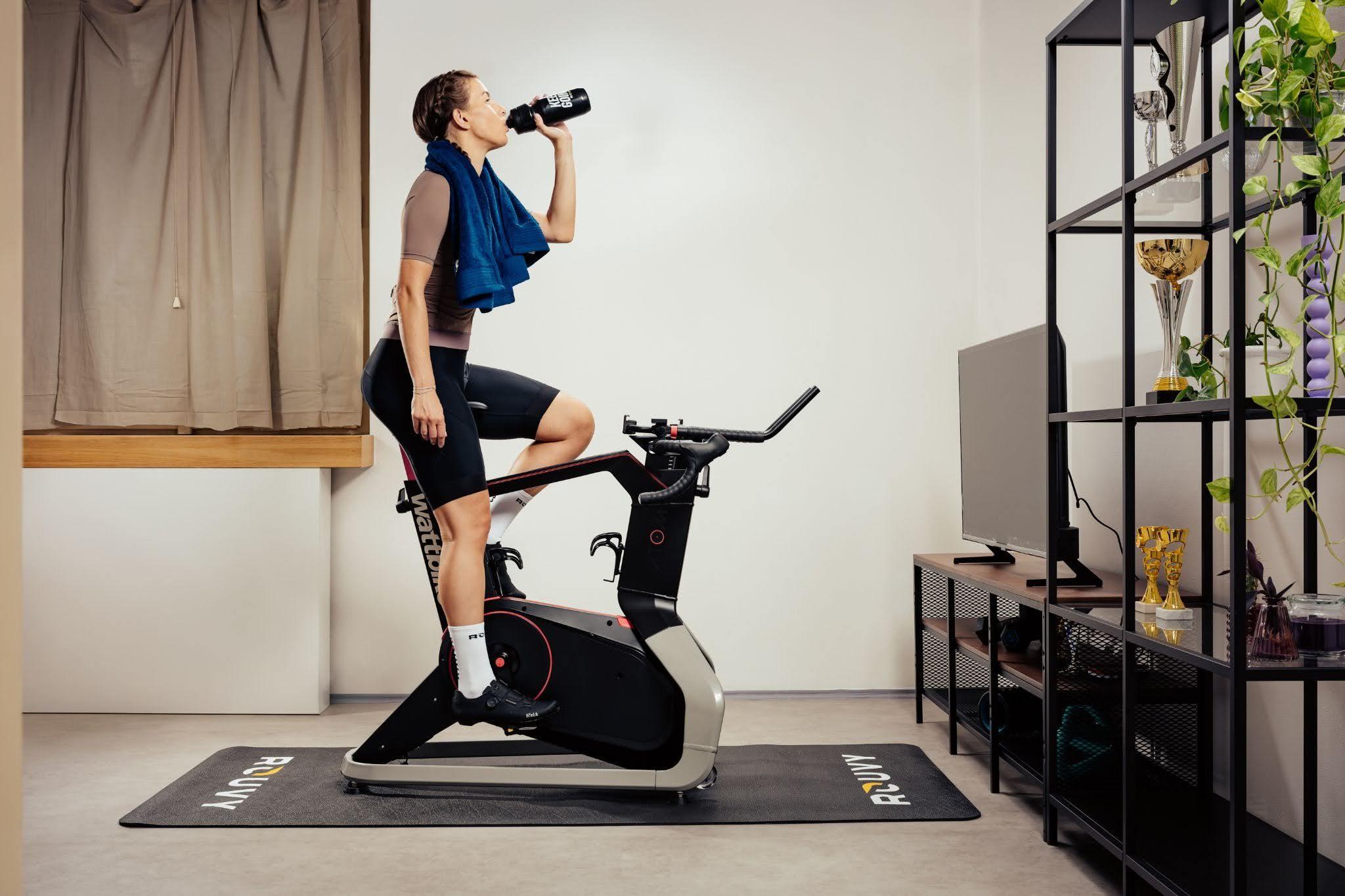
Stop Overthinking, Start Testing
Pair your training with the right nutrition and see your performance soar on ROUVY’s iconic routes.
Q&A
Andy Layhe
ROUVY Expert
Andy Layhe is a performance cycling coach and former elite racer with almost 40 years in the sport. He has competed at high levels in road, MTB, track and cyclocross, with highlights including 13th at the World Cyclocross Championships. Since 2016, Andy has coached riders from beginners to professionals, guiding them to multiple national and regional titles, UCI podiums, and e-sports national championship titles. A graduate of the UCI Cyclocross Coaching Course, he combines race-proven experience with innovative training methods to help cyclists worldwide train smarter and race faster.
Plus d'articles de Andy LayheArticles associés
Mark Nessmith · 6/7/2026
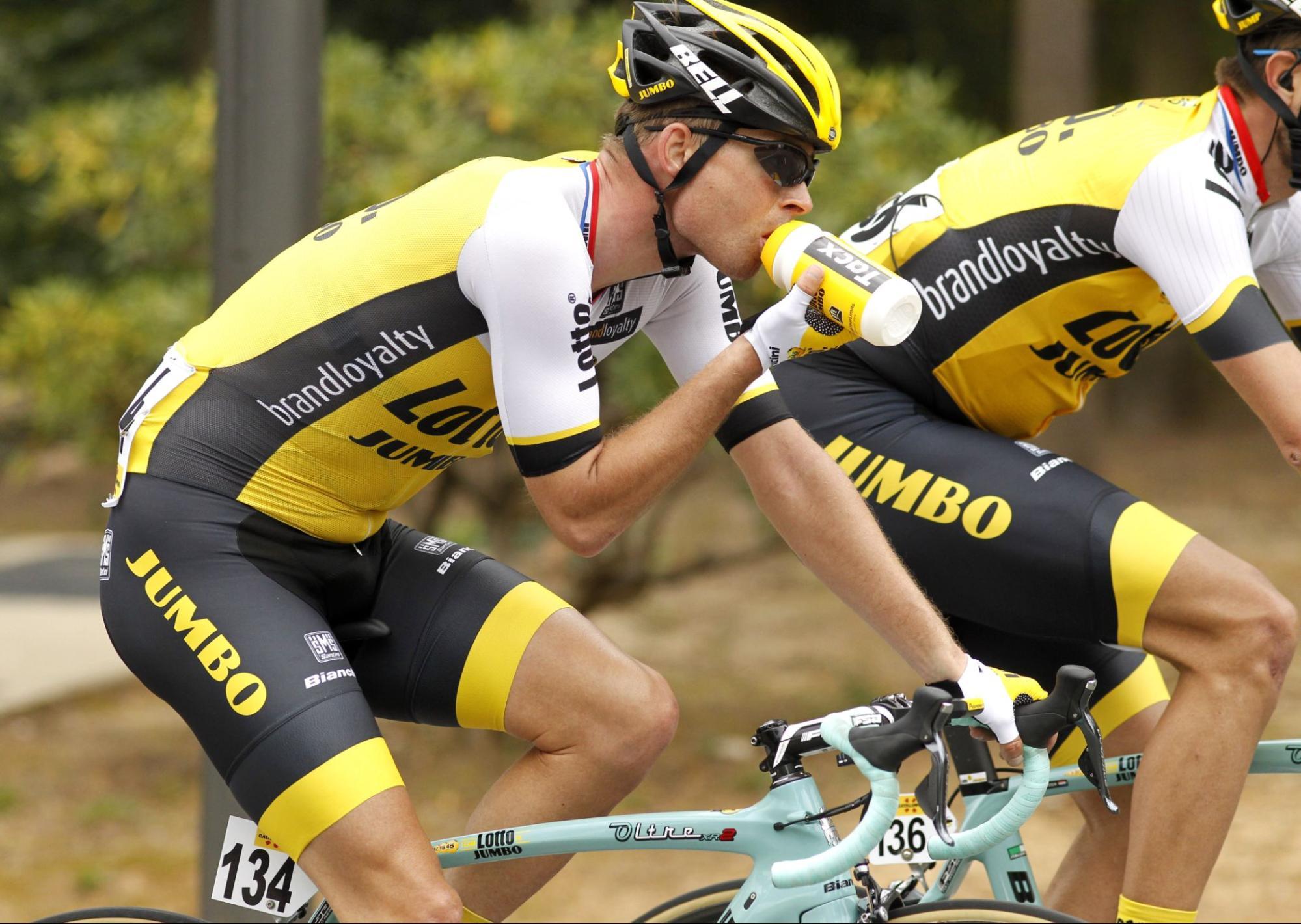
CYCLING HYDRATION: HOW MUCH TO DRINK BEFORE, DURING & AFTER YOUR RIDECycling hydration affects performance, recovery and comfort. Here’s how much to drink, when to drink and how to stay hydrated during indoor and outdoor rides.

Stephan Nuesser · 8/20/2025
Endurance nutrition for cyclists and triathletes: what to eat & whenNutrition for endurance athletes is just as important as training itself. Whether you’re preparing for a triathlon, logging hours on the bike, or testing yourself in an indoor cycling session, fueling strategies determine performance and recovery. From endurance cycling nutrition to post-race refueling, knowing what to eat during long rides and how to balance carbs, hydration, and recovery will help you perform at your best.

Amanda Whittington · 8/25/2025
Cramping on Long Rides? Magnesium Might Be the Missing Link in Your Cycling NutritionMuscle cramps ruining your rides? Magnesium may be the key to smoother pedal strokes, faster recovery, and stronger performance on the bike.
Amanda Whittington · 3/19/2026
WHEY PROTEIN VS. PLANT PROTEIN: WHICH IS BETTER FOR RECOVERY, MUSCLE, AND WEIGHT LOSS?Whey or plant protein? Both can support muscle recovery and performance but they work a little differently. We’re breaking down the differences so you can choose the powder that fits your training and lifestyle.
Gabka Koščová · 3/20/2026
THE BEST ENERGY GELS FOR CYCLING: WHAT TO USE, WHEN, AND WHY IT MATTERSEnergy gels are a staple in many cyclists’ jersey pockets, promising a quick hit of fuel when the ride gets tough. But when should you actually use them? How many do you need? And, are they really necessary? Here’s what every cyclist should know about fuelling with gels.
Amanda Whittington · 4/13/2026
CREATINE FOR CYCLISTS: BENEFITS, DOSAGE, BEST TYPE AND WHO SHOULD USE ITCan creatine actually make you a faster cyclist? It can – if you use it right. Here’s what it really does, who benefits most and when it’s worth adding to your training routine.

Jordan Grimes · 5/4/2026
WHAT TO EAT THE DAY BEFORE A RACE: A PRACTICAL PRE-RACE NUTRITION GUIDE FOR CYCLISTS AND TRIATHLETESPrepare smarter for your next bike race or triathlon. Learn what to eat the day before to maximize energy, support digestion and avoid pitfalls so you can start strong and race with confidence.
Andy Layhe · 1/7/2026
Best Carbohydrate Sources for Triathletes: Training, Race & RecoveryTriathlon is basically three sports stapled together and fuelled by one main thing: carbohydrates. Carbs aren’t a moral issue; they’re logistics. You’re not “being good” by cutting them; you’re just quietly sabotaging your swim, bike, and run.
Lauren Wolff · 10/15/2025
How to improve your speed & get faster at cyclingWant to ride faster and feel stronger? Learn how smart training, better technique, and the right gear can boost your speed, efficiency, and confidence on every ride.
Notre produit
Rouler avec ROUVY
- Roule sur des itinéraires réels
- Découvre des destinations vélo
- Entraîne-toi sur ton vélo d'intérieur
- Trouve des courses IRONMAN
- Explore des itinéraires gravel mythiques
- Entraîne-toi pour le Challenge Family
- Lance-toi avec les plans d'entraînement
- Sorties en groupe sur ROUVY
- Défis : les gagnants ROUVY
- Guide des home trainers
Notre société
Blog ROUVY
Notre Communauté
Copyright ©2026, VirtualTraining s.r.o. Tous droits réservés.