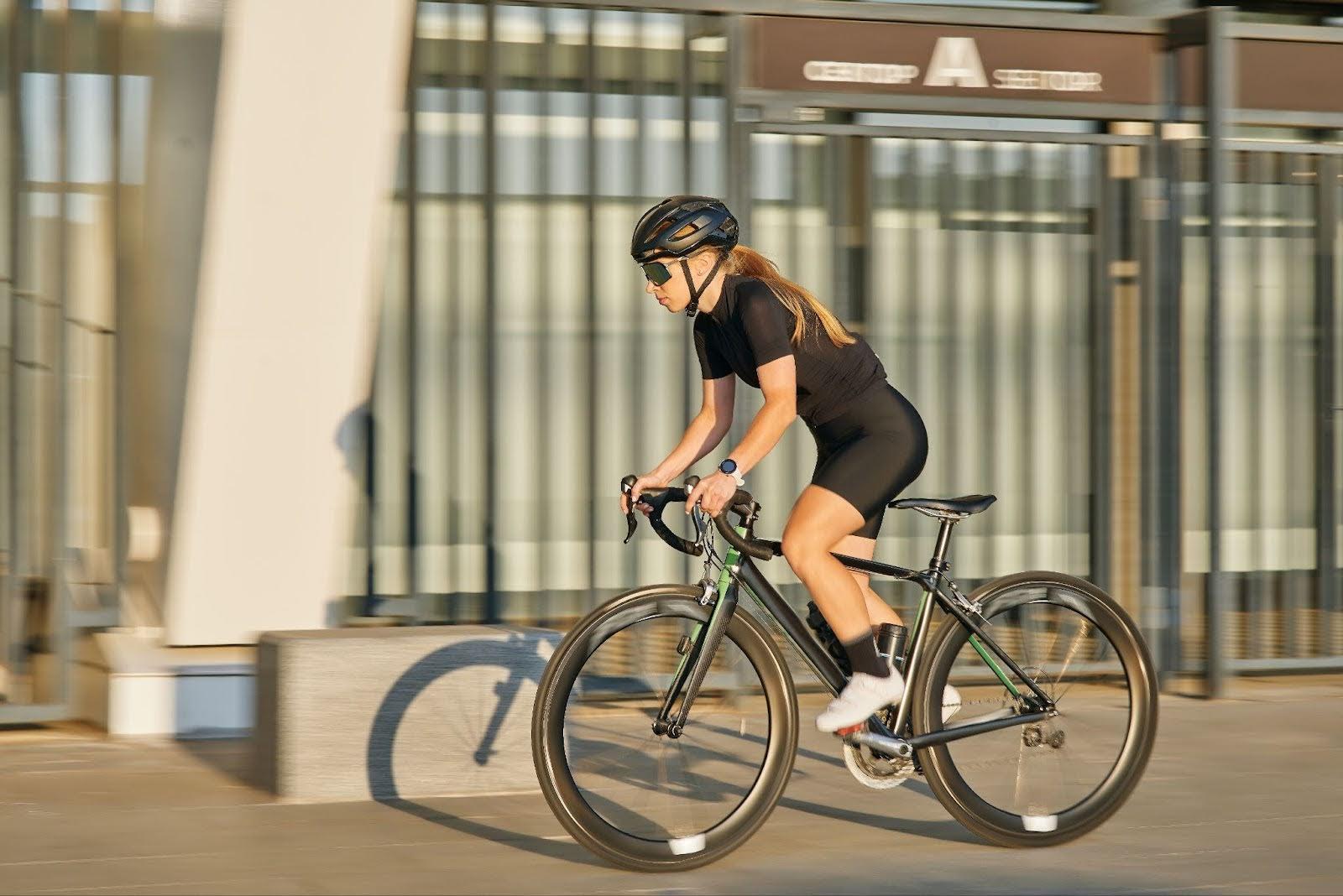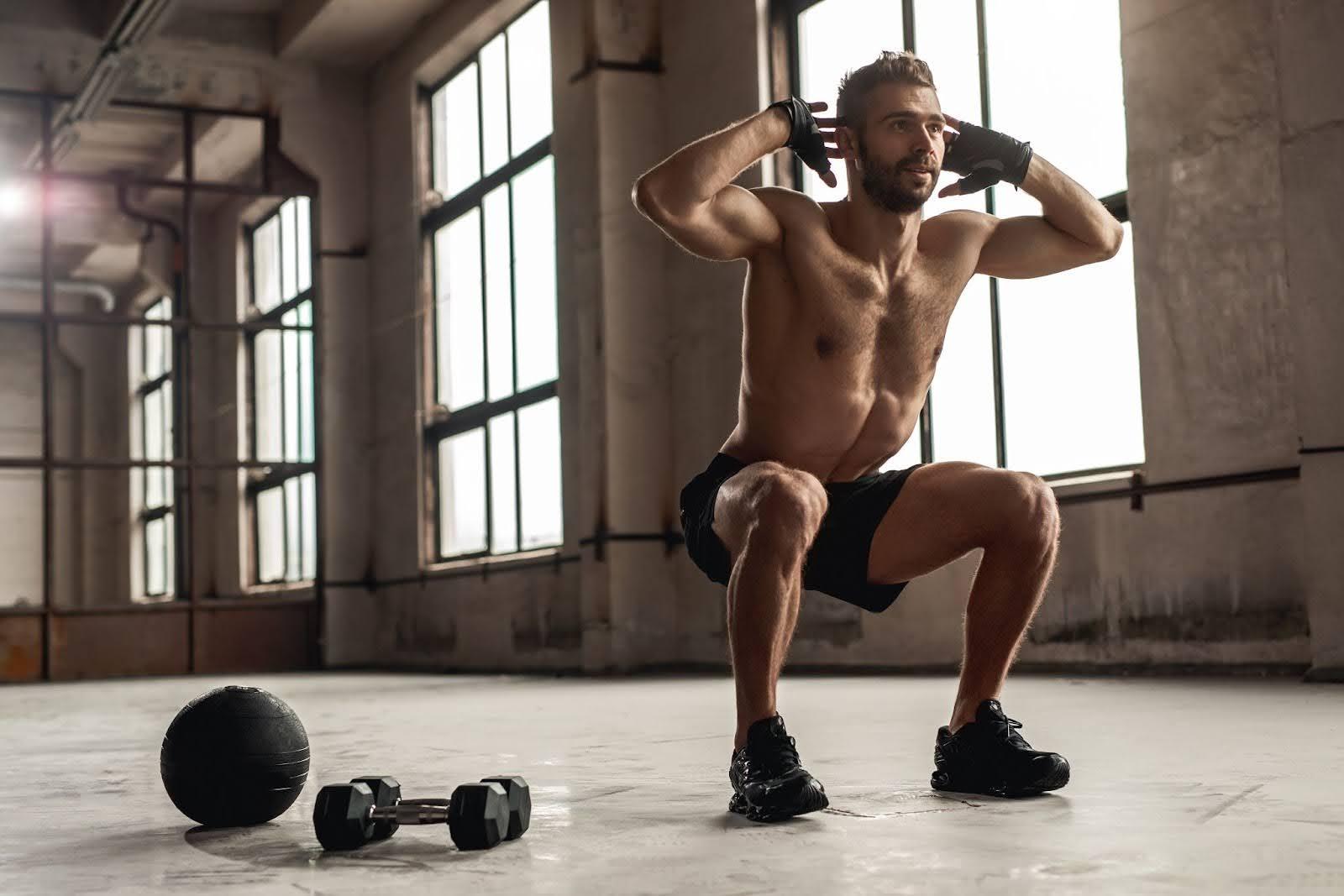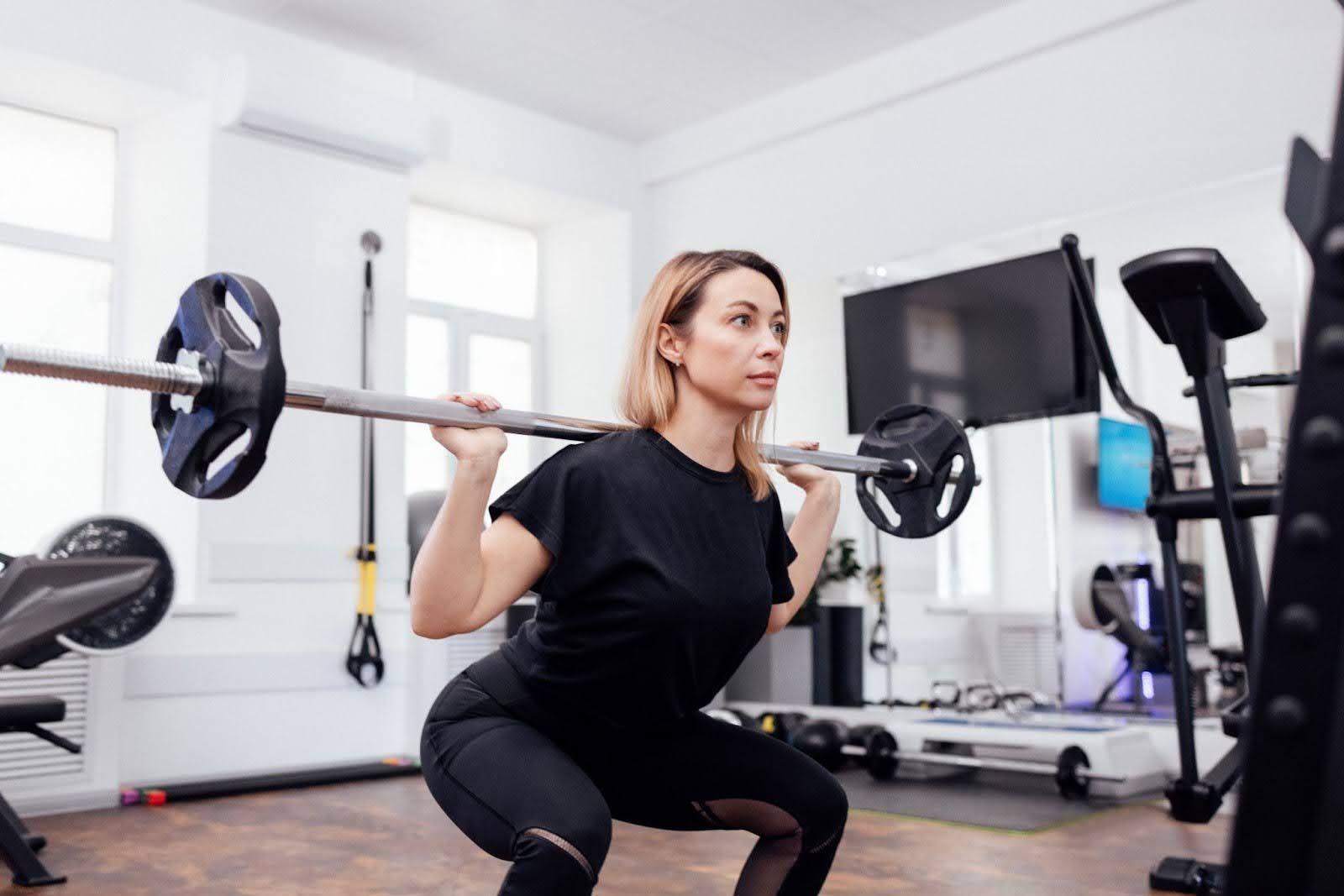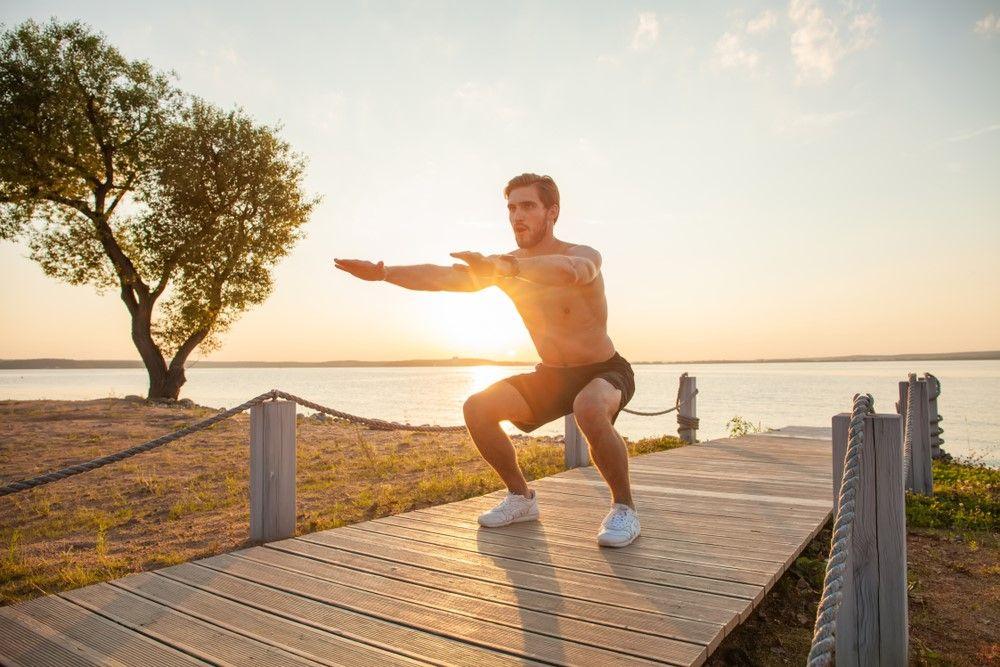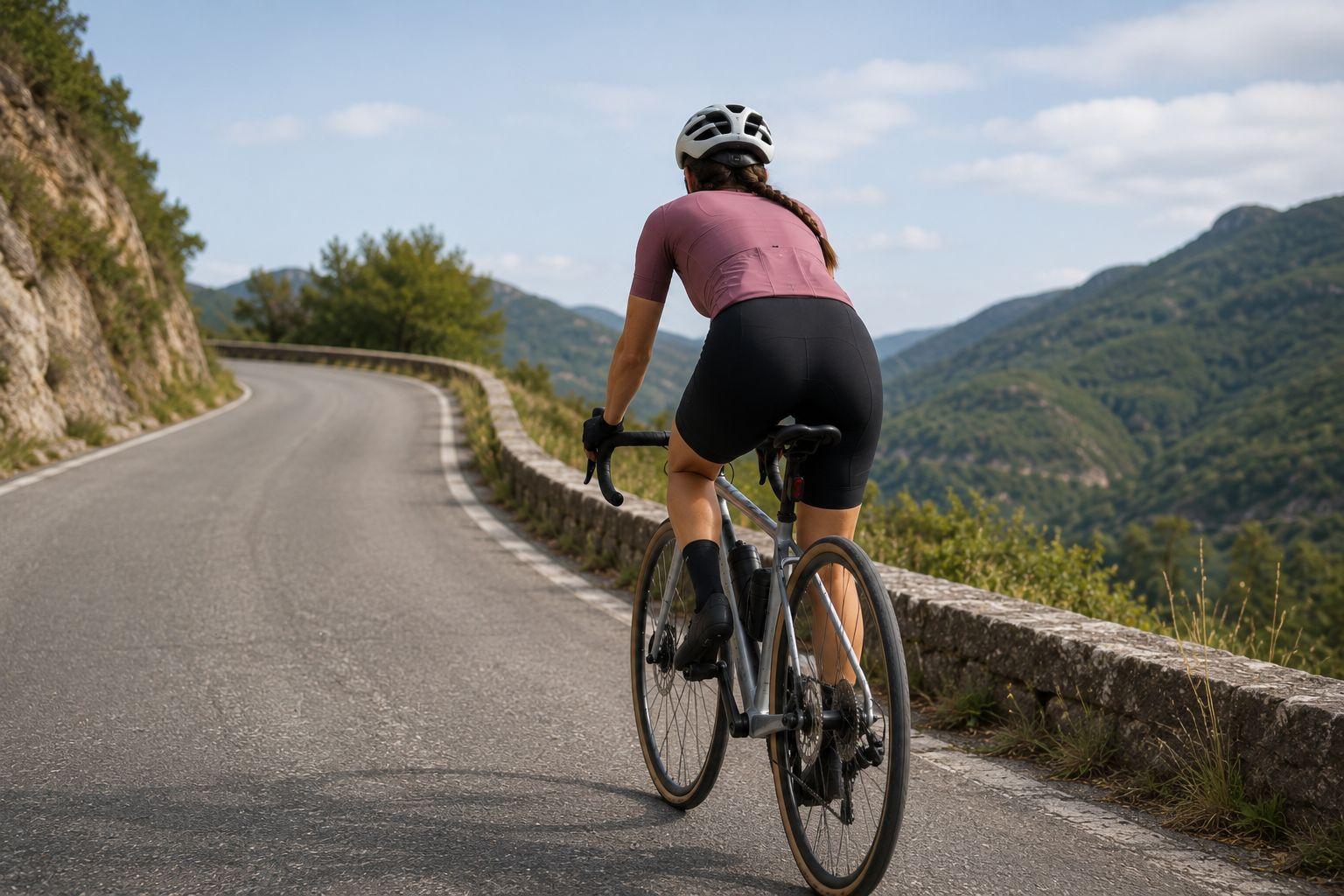
Cycling puts serious demands on your lower body and – as most cyclists or fans of the sport know – those who cycle regularly often have well-developed leg muscles, particularly the quadriceps and calves. But what about the glutes?
Cycling puts serious demands on your lower body and – as most cyclists or fans of the sport know – those who cycle regularly often have well-developed leg muscles, particularly the quadriceps and calves. But what about the glutes?
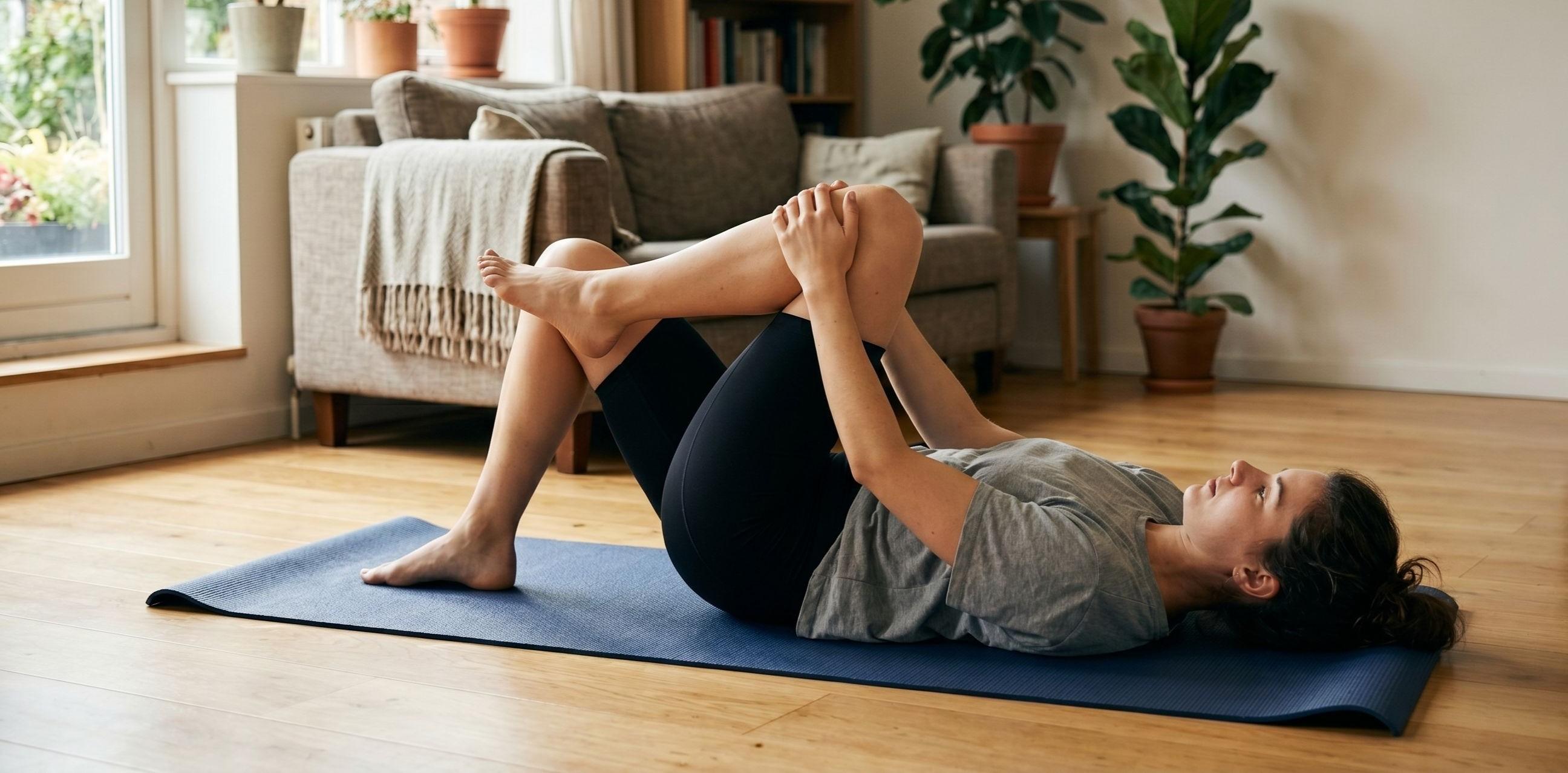
Tight hips in cycling happen when the muscles around the front, side and back of the hip lose useful range of motion, usually because riders spend long periods in a flexed riding position. For cyclists, this can show up as hip-flexor tightness, lower-back discomfort, knee irritation, poor glute engagement, poor posture on the bike or a loss of comfort later in longer rides.

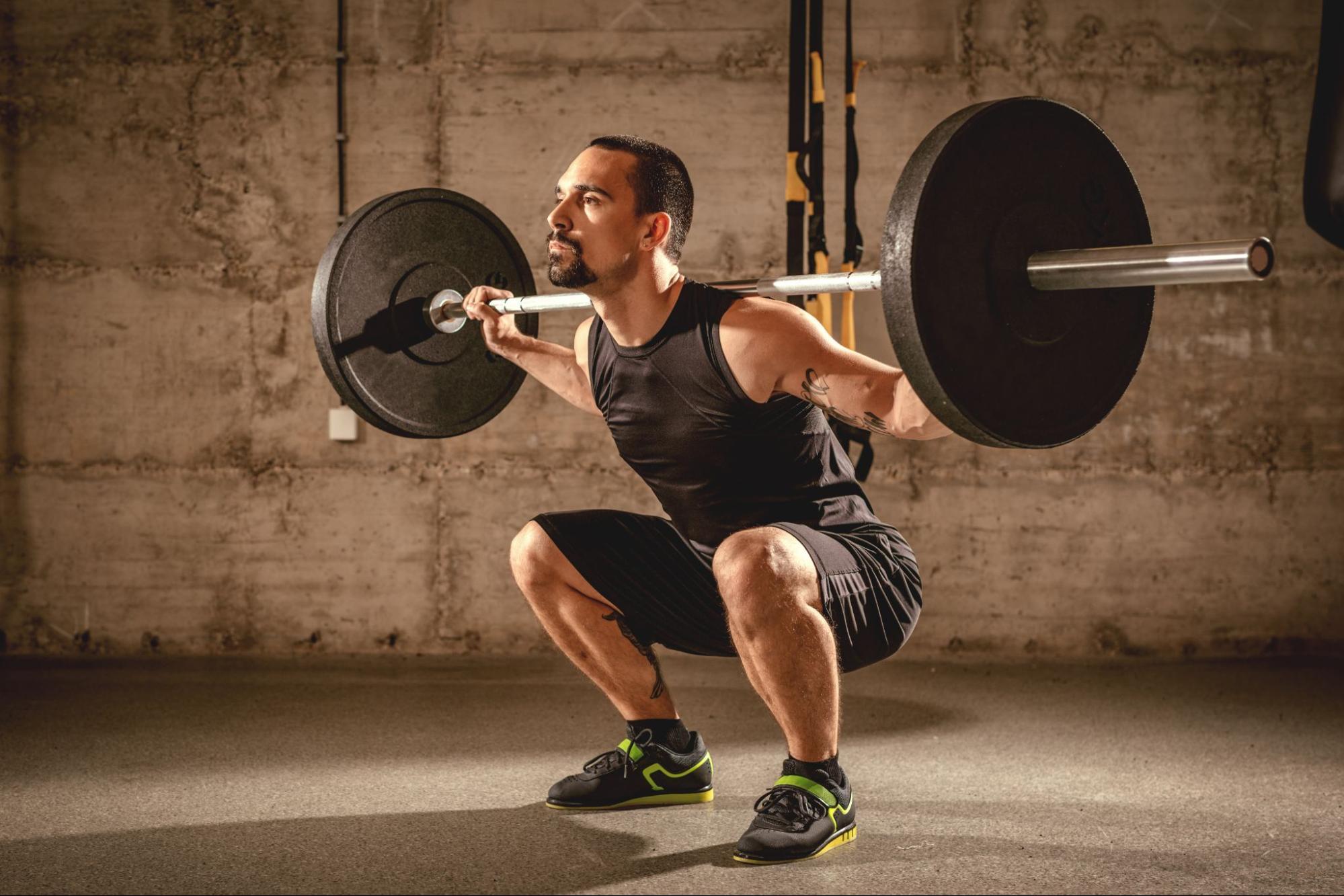
Cycling and weight lifting can work well together when you manage timing, volume and recovery. The goal isn't to train like two different athletes at once, but to build one joined-up programme where the gym supports the bike and the bike doesn't ruin the gym. Riders usually get into trouble for three reasons: they lift too heavy too soon, they place hard gym work too close to key rides, or they treat soreness as proof that the session worked. That's how a sensible strength plan turns into a Zone 2 ride that feels like dragging a fridge through wet grass.

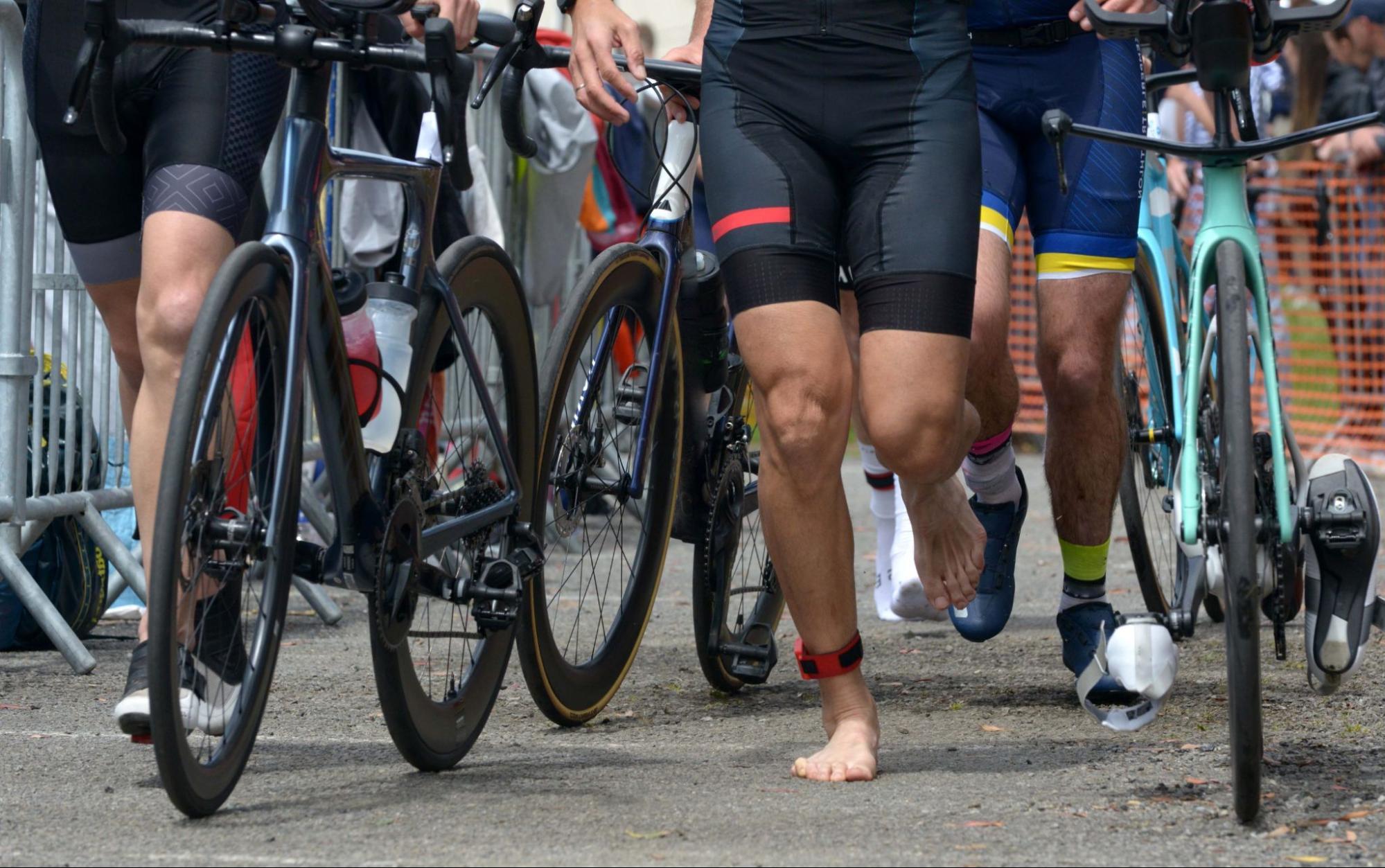
Strength training for triathletes is functional resistance training that improves force production, posture, joint stability and fatigue resistance across the swim, bike and run without aiming to add unnecessary muscle mass. The goal isn’t to get bigger. It’s to become stronger, more durable and more efficient across all three disciplines.

Mesocycle training is one of those terms that sounds more complicated than it really is. In plain English, it simply means a focused block of training inside a bigger plan. Usually, that block lasts around 4 to 6 weeks and is built around one main goal, such as improving aerobic endurance, lifting FTP, sharpening VO2max, building race-specific power, or adding strength without wrecking everything else.

Stronger legs help cyclists produce more power, resist fatigue, and stay injury-free. One or two simple strength sessions per week - focused on squats, hinges, and single-leg work—can significantly improve your riding performance.

Plyometric leg exercises turn strength into explosive power by training you to absorb force and spring back quickly. With controlled jumps and landings, you build reactive strength, better stability, and faster acceleration that carries over to sport and cycling.

Cyclists often overlook strength training, thinking it’s unnecessary or confusing. But combining cycling and weight training can boost your performance, prevent injuries and improve resilience. Whether you’re sprinting, climbing or just want to ride stronger, incorporating weight lifting for cyclists into your routine means lasting improvements on the road and in your ROUVY indoor cycling sessions.

Have you ever wondered how come 100-meter sprinters are so jacked? It's hard to believe anyone can build so much muscle by sprinting for 10 seconds, right? Well, here’s a little secret. Most of that muscle and strength are a result of rigorous sessions at the gym. The same goes for skiers, tennis players, and all other top athletes.
Copyright ©2026, VirtualTraining s.r.o. Všechna práva vyhrazena.