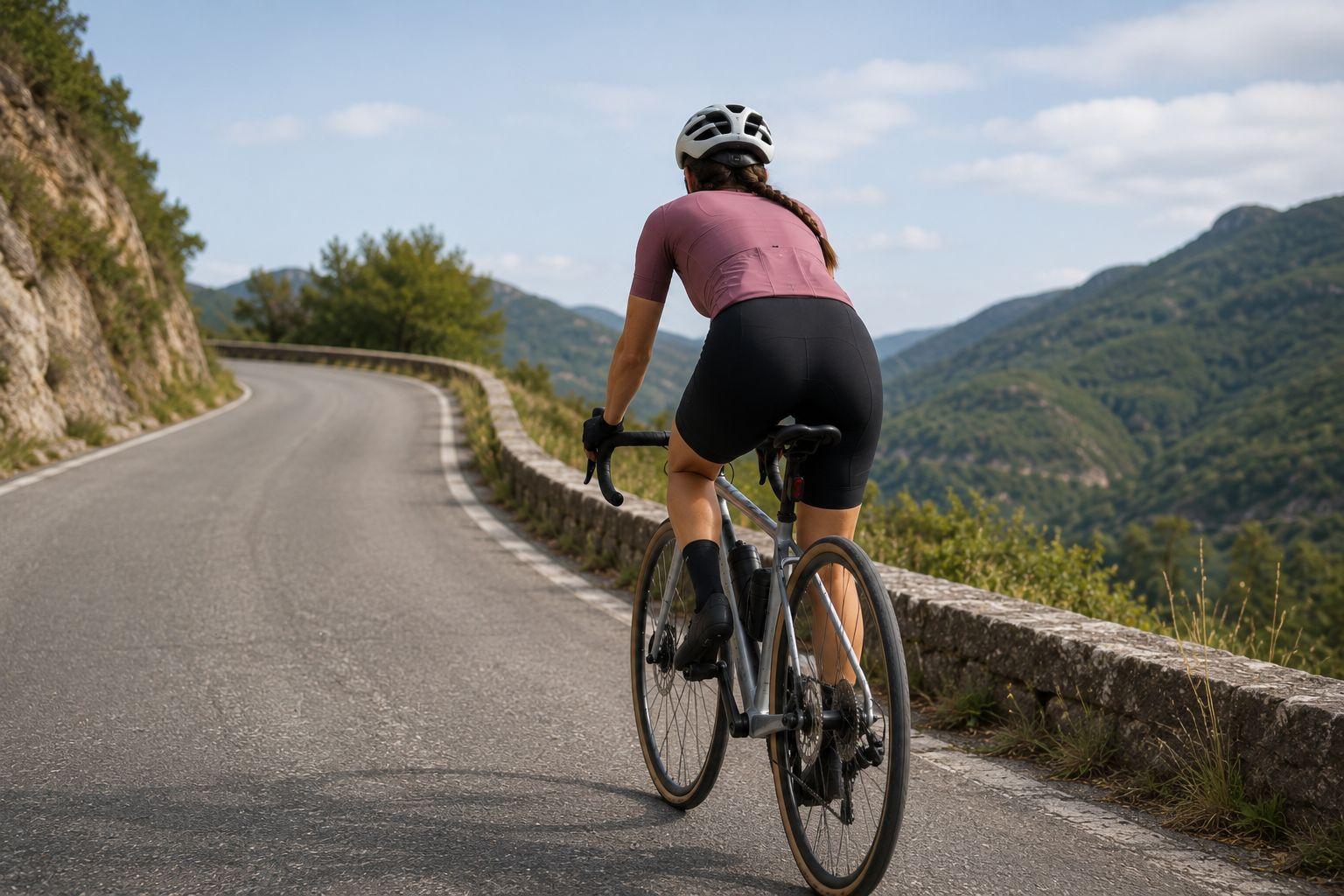
Cycling puts serious demands on your lower body and – as most cyclists or fans of the sport know – those who cycle regularly often have well-developed leg muscles, particularly the quadriceps and calves. But what about the glutes?
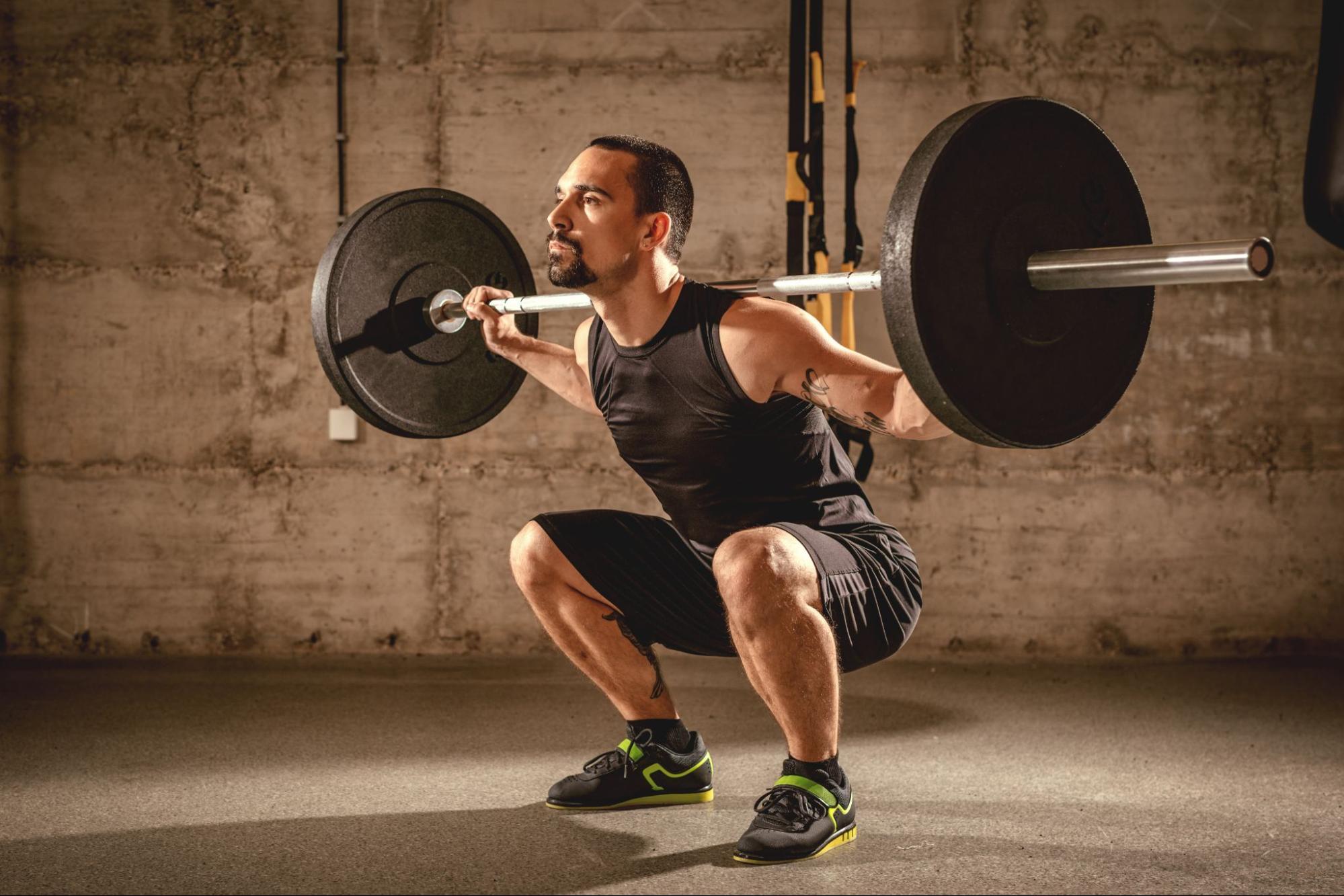
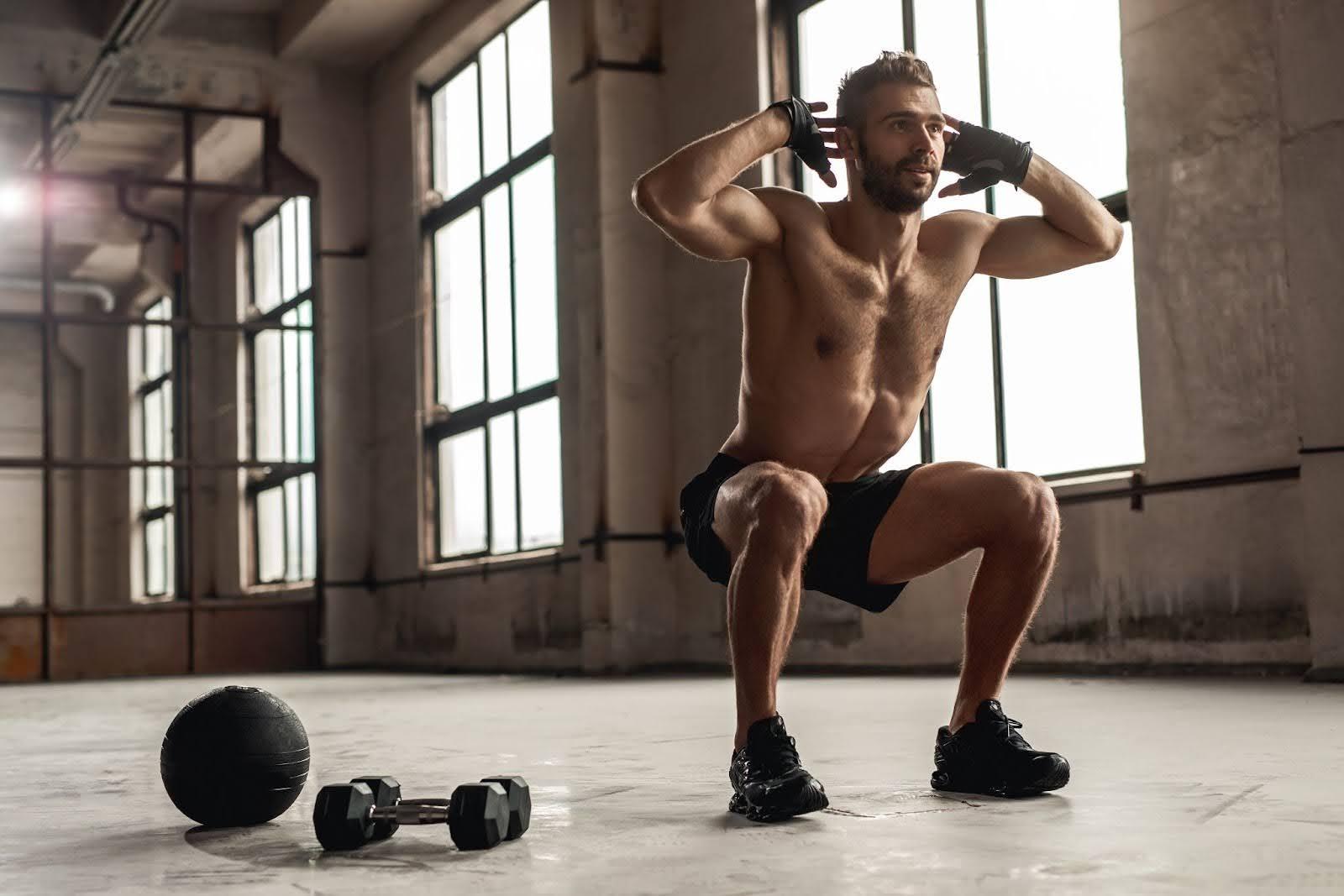
Cycling puts serious demands on your lower body and – as most cyclists or fans of the sport know – those who cycle regularly often have well-developed leg muscles, particularly the quadriceps and calves. But what about the glutes?
Cycling and weight lifting can work well together when you manage timing, volume and recovery. The goal isn't to train like two different athletes at once, but to build one joined-up programme where the gym supports the bike and the bike doesn't ruin the gym. Riders usually get into trouble for three reasons: they lift too heavy too soon, they place hard gym work too close to key rides, or they treat soreness as proof that the session worked. That's how a sensible strength plan turns into a Zone 2 ride that feels like dragging a fridge through wet grass.

Stronger legs help cyclists produce more power, resist fatigue, and stay injury-free. One or two simple strength sessions per week - focused on squats, hinges, and single-leg work—can significantly improve your riding performance.

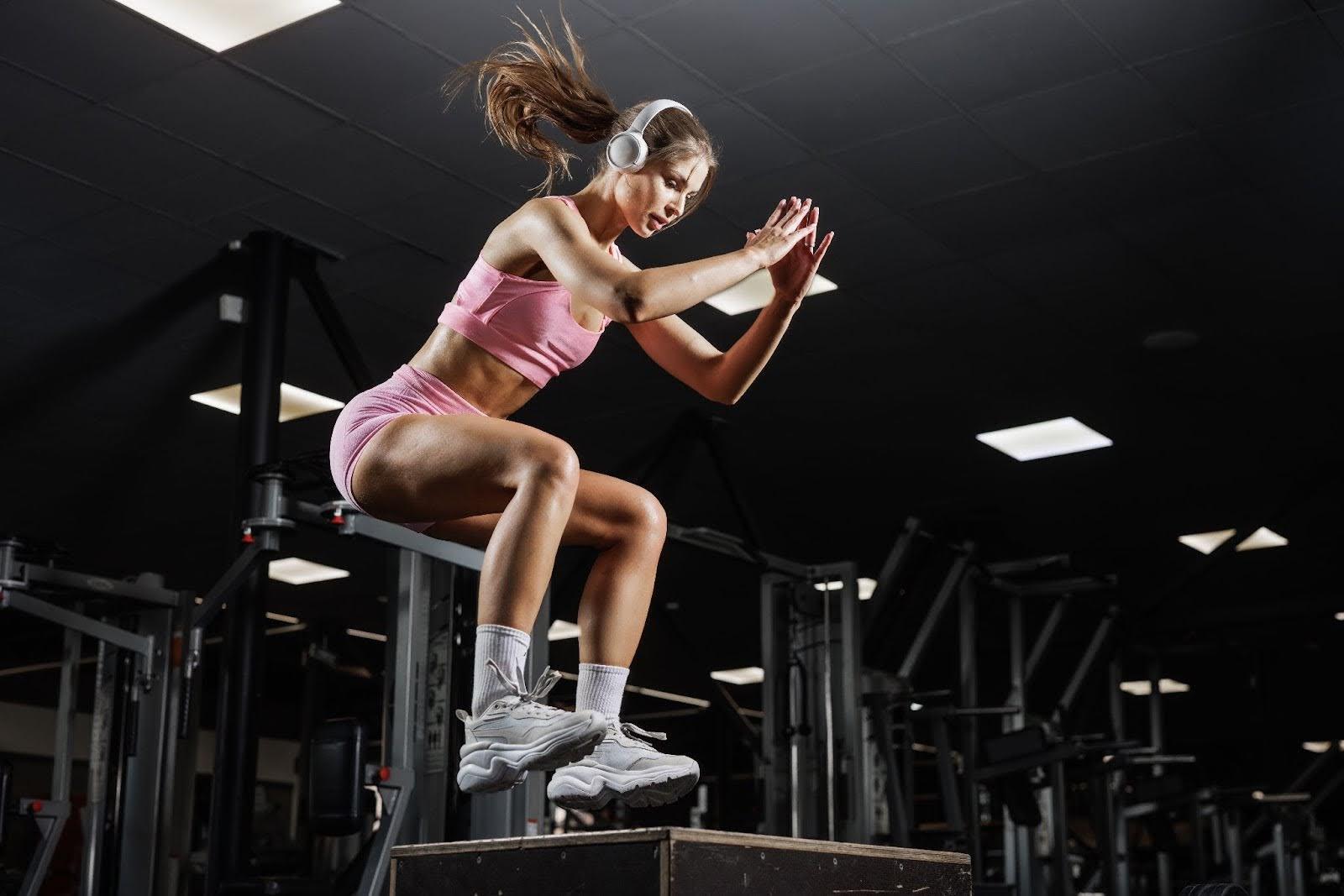
Plyometric leg exercises turn strength into explosive power by training you to absorb force and spring back quickly. With controlled jumps and landings, you build reactive strength, better stability, and faster acceleration that carries over to sport and cycling.
Copyright ©2026, VirtualTraining s.r.o. Všechna práva vyhrazena.