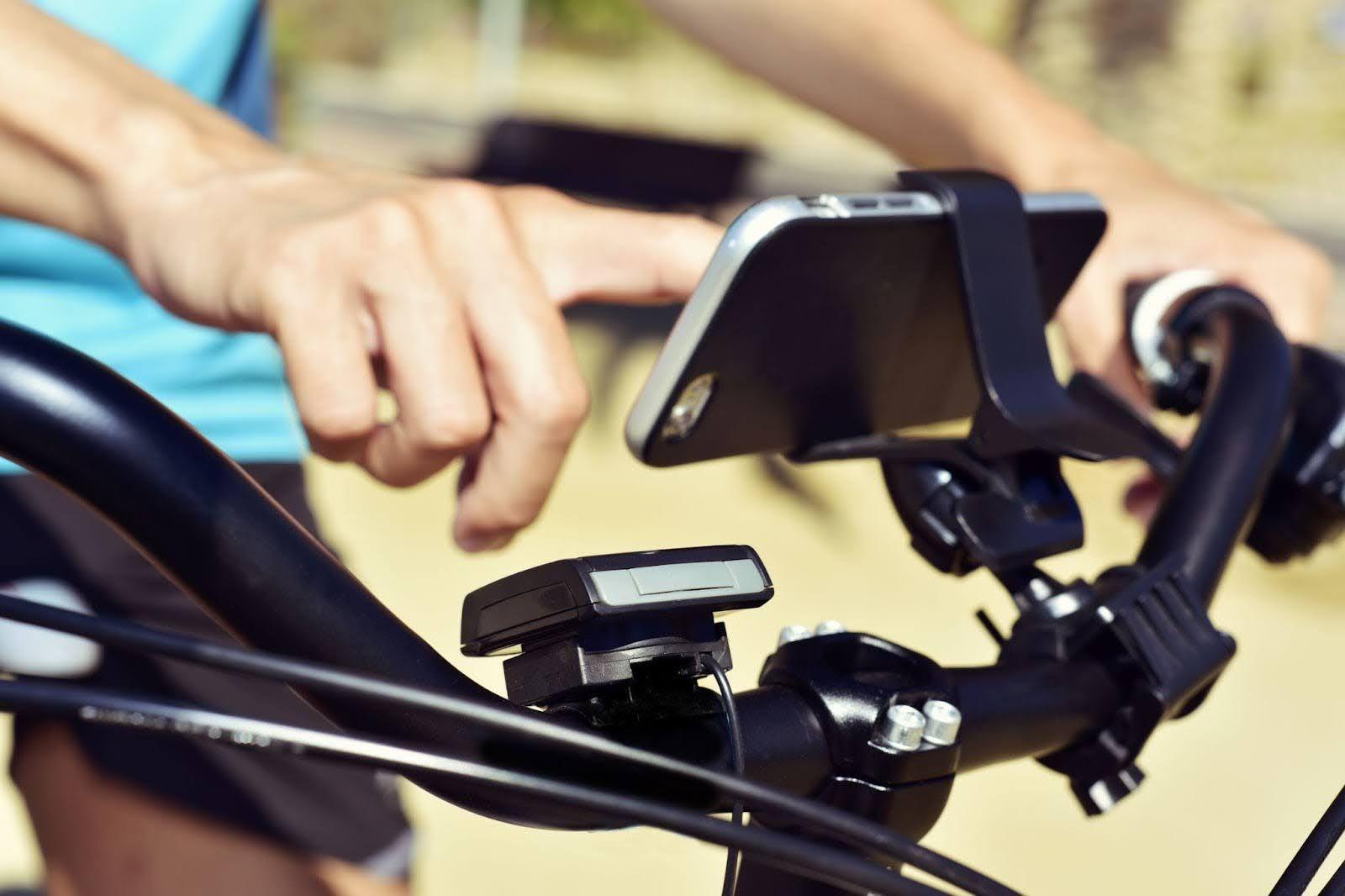
All that said, it's worth highlighting that a cycling first aid kit is unlikely to save your life unless it's packed with more advanced medical equipment that you have the requisite knowledge to use, such as a tourniquet to stop a haemorrhage or an EpiPen to stop anaphylaxis. In more serious situations, the biggest lifesavers are having your mobile phone to call for emergency help and having basic first aid training to slow major bleeds, perform CPR and know when and when not to move an injured person.
The essential 10: what every cyclist should carry on every ride
In an ideal world, you'd carry the following items on every ride. That said, if you're going for a short cycle where you'll always be within a few miles of home or your vehicle, having a charged phone, while not best practice, is probably adequate, as surface wounds can usually wait a few minutes to be cleaned and dressed.
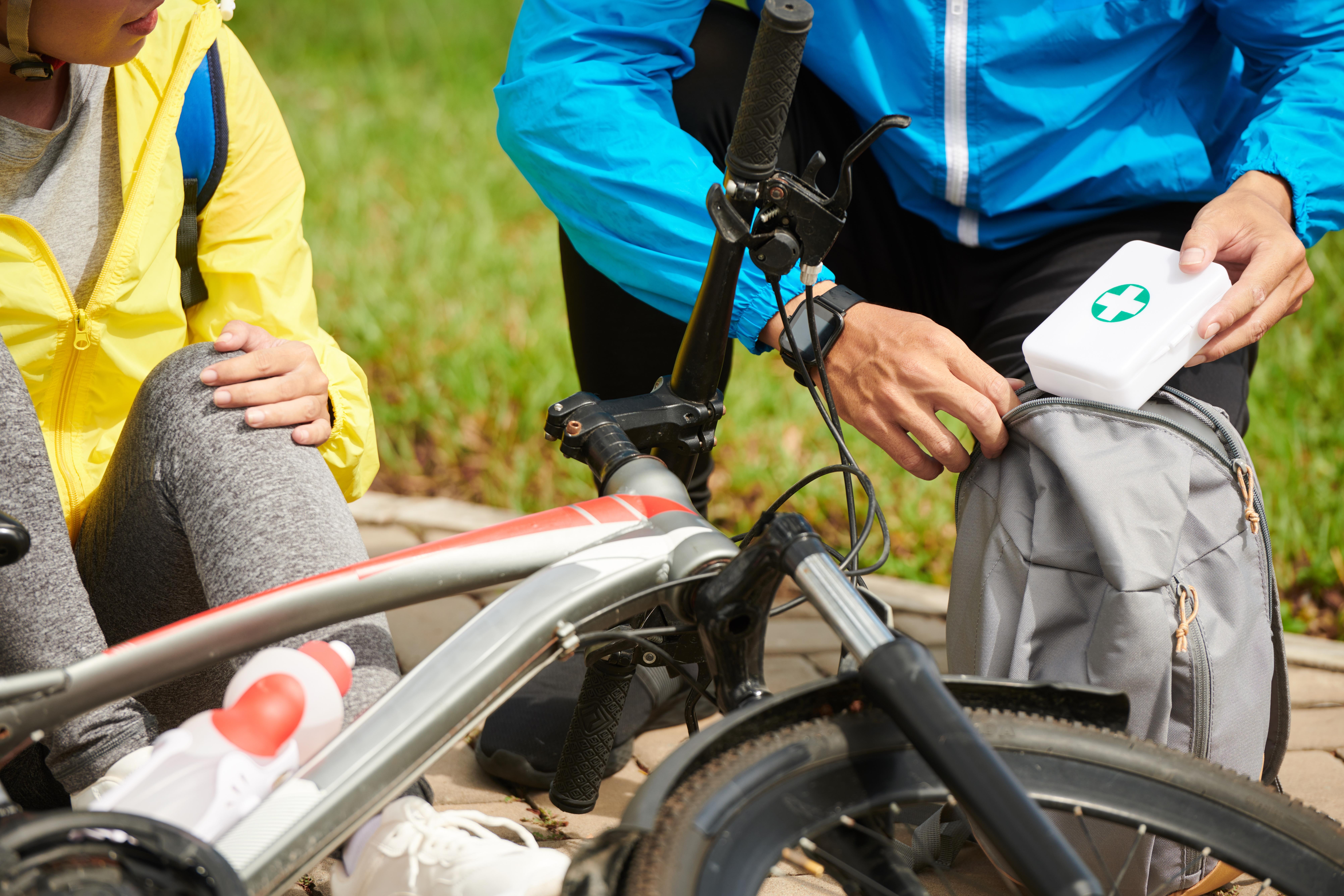
Aside from your phone, the rest of the items listed below will fit neatly into a small zippered pouch or zip-lock bag. A bag this size can be easily carried in a handlebar bag, frame bag, top tube bag or 1L saddle pack. The most important thing is that it's in a waterproof bag. If you don't use bike bags, carrying it in your jersey pocket is also perfectly fine.
- A charged phone (the most important item)
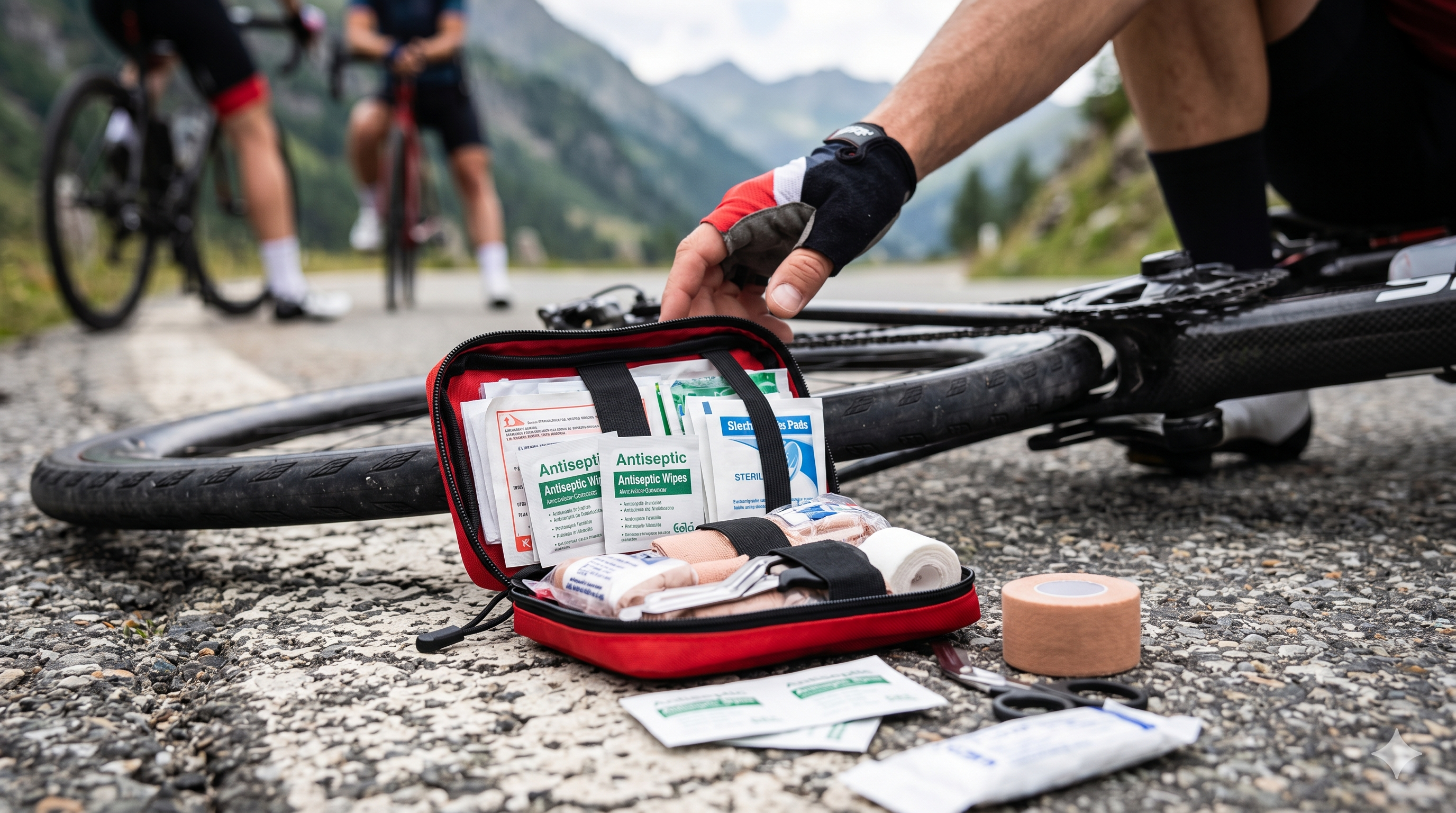
- Antiseptic wipes for wound cleaning
- Gauze roll and wipes
- Waterproof tape and safety pins
- A few assorted plasters
- One large non-adhesive sterile dressing
- Butterfly stitches
- One pair of nitrile or latex gloves
- Stainless-steel tweezers
- Basic medications: ibuprofen or paracetamol and an antihistamine
Wound care: water, antiseptic wipes, gauze, non-adhesive dressings, plasters, butterfly closures
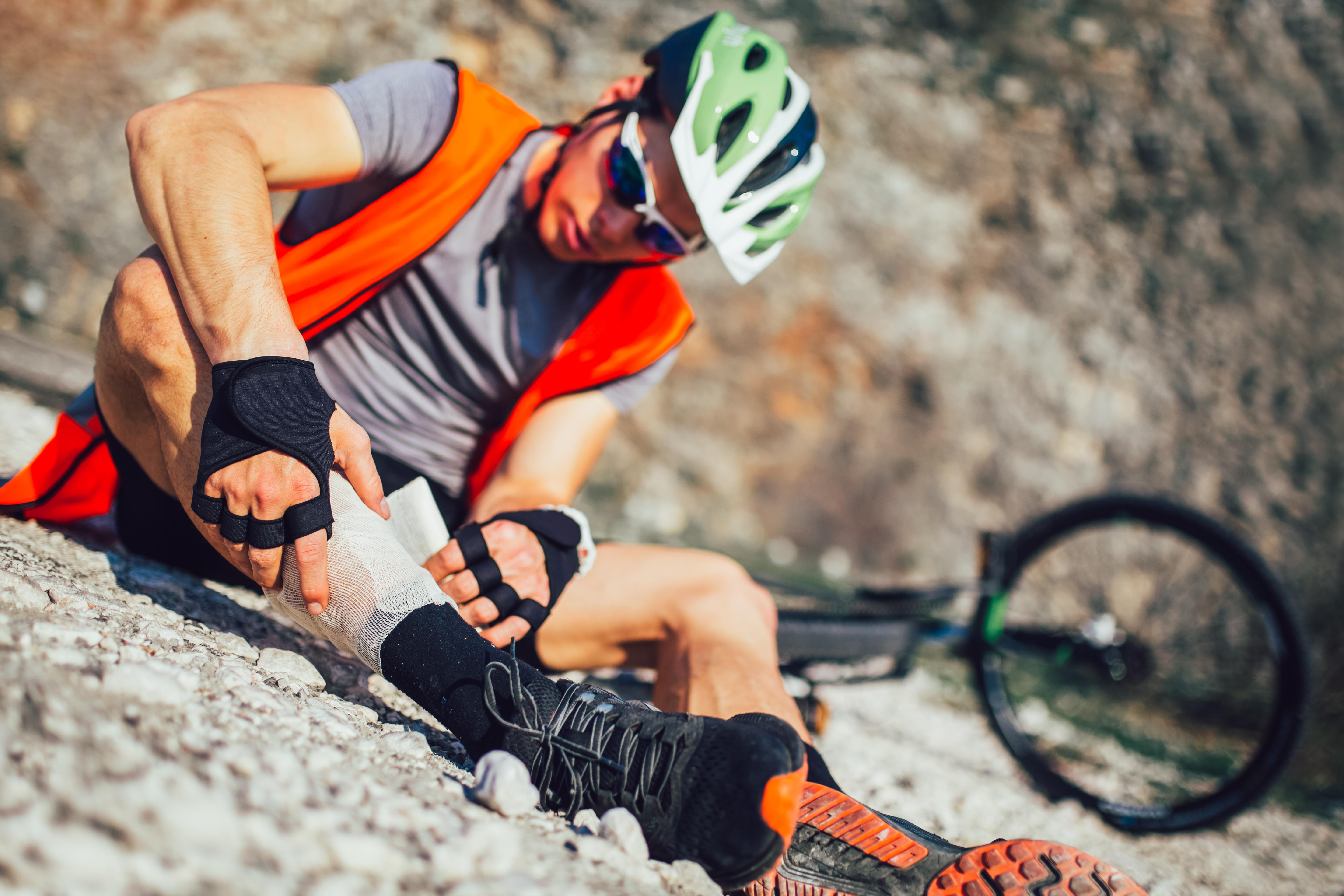
The most common injuries sustained in bike crashes are cuts and grazes, such as mild "road rash" from sliding over the pavement after crashing. Thankfully, these injuries are easy to treat and fast to heal. Other deeper cuts may require professional medical attention, such as stitches, and will take longer to heal. Cuts that result in a haemorrhage (rupture of a blood vessel) require emergency medical attention.
Cleaning and covering road rash is the main job of a cyclist's first-aid kit, as it's something you can do quickly and easily at the side of the road or on the trail in order to get back riding again.
Antiseptic alcohol or iodine wipes are used to clean the area, then plain water and sterile gauze swabs to remove any dirt or debris, and a large non-adhesive dressing to cover, held in place with your tape.
For deeper cuts, butterfly stitches can be used to hold the two sides together until you can get it looked at by a medical professional.
Tools: surgical gloves, tweezers, small scissors, safety pins
Having a pair of nitrile or latex gloves in your kit can help protect any open wounds from contamination.
As many of us have experienced, when debris gets stuck in your skin, such as a splinter in the hand or grit in road rash, it can be extremely uncomfortable. Sometimes the only way to get these stubborn objects out is with tweezers. A proper pair of stainless steel tweezers should be included in any cycling first-aid kit. However, if debris is lodged deep into the skin, it's best to seek professional medical attention.
A small pair of scissors is another handy tool that you can use to cut tape, bandages and dressings to size or, in rare situations, cut your clothes. Safety pins are used to secure a triangular bandage.
Medications: ibuprofen / paracetamol, antihistamine, antibiotic ointment
Painkillers are another essential in any cycling first-aid kit. A couple of doses of ibuprofen or paracetamol can help take the edge off pain from a fall or other pain, such as a headache or menstrual pain.
These painkillers are widely tolerated, but they shouldn't be taken by anyone who is allergic. Ibuprofen should also be avoided by anyone who has had a stomach ulcer, and those with liver issues should avoid paracetamol.
Non-drowsy antihistamines are another useful medication to have in your kit. These can be taken to alleviate mild allergic reactions to insect stings. However, if you've ever had a serious allergic reaction (anaphylaxis) to any food, sting or bite, or medicine, you should carry an EpiPen in your first aid kit at all times.
Extras: sting relief, sunscreen sachet, blister plasters
Some nice-to-have extras in a first-aid kit include a cream or ointment to treat stings and bites, a couple of sachets of SPF50 sunscreen for outdoor rides that unexpectedly run long on sunny days, and blister plasters to cover blisters that have developed over the course of a multi-day ride.
Road vs gravel/MTB vs bikepacking: how to adjust the kit
The essential 10 is the starting point for all ride disciplines and durations, but if you plan to be on the road or trail for multiple days, there are plenty more items you can add to your kit to cover the different possibilities that may arise.
If most of your riding will be done in well-serviced areas, the essentials kit is probably sufficient, but if you plan to cover long distances in remote areas, you should plan accordingly.