Don't skip the glutes
If there's one exercise I'd encourage every cyclist to include, it's the glute bridge.
Your glutes are some of the biggest and most powerful muscles involved in producing a smooth, efficient pedal stroke. The problem is that after sitting for hours at work or travelling in the car, they can become a little lazy. When that happens, other muscles often try to compensate, which can leave your lower back, hamstrings or knees doing more work than they need to.
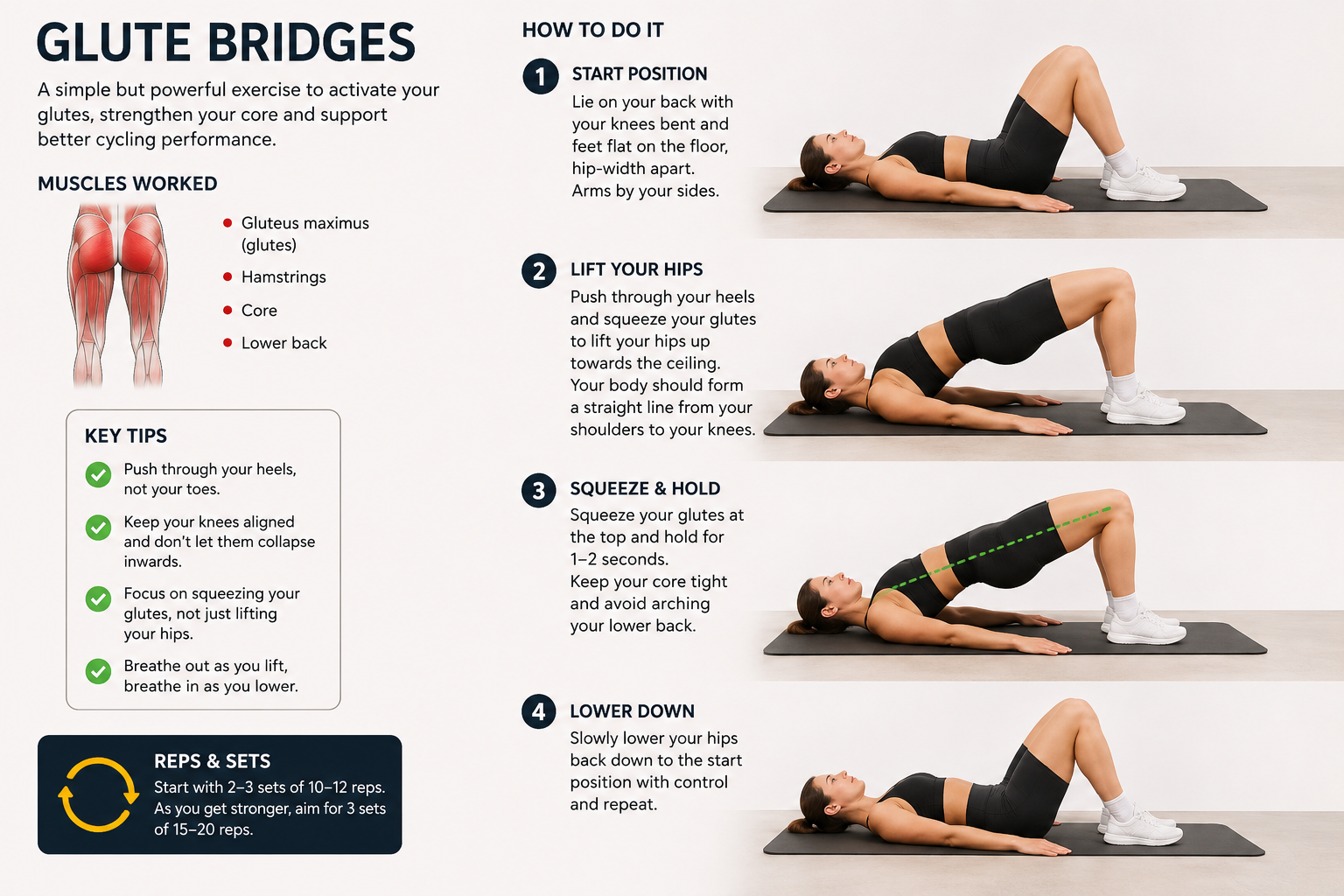
Above: How to do a glute bridge
A few sets of glute bridges before you ride can make a noticeable difference. They help wake the glutes up, engage your core, improve muscle recruitment and make it easier to produce power through the pedals from the very start of your ride.
Once you've finished your off-bike routine, don't leave it too long before getting on the bike. If you spend the next fifteen minutes chatting or making another cup of coffee, your body starts to cool down again and many of the benefits begin to fade.
Dynamic stretching vs. static stretching: Which is better for a warm-up before riding?
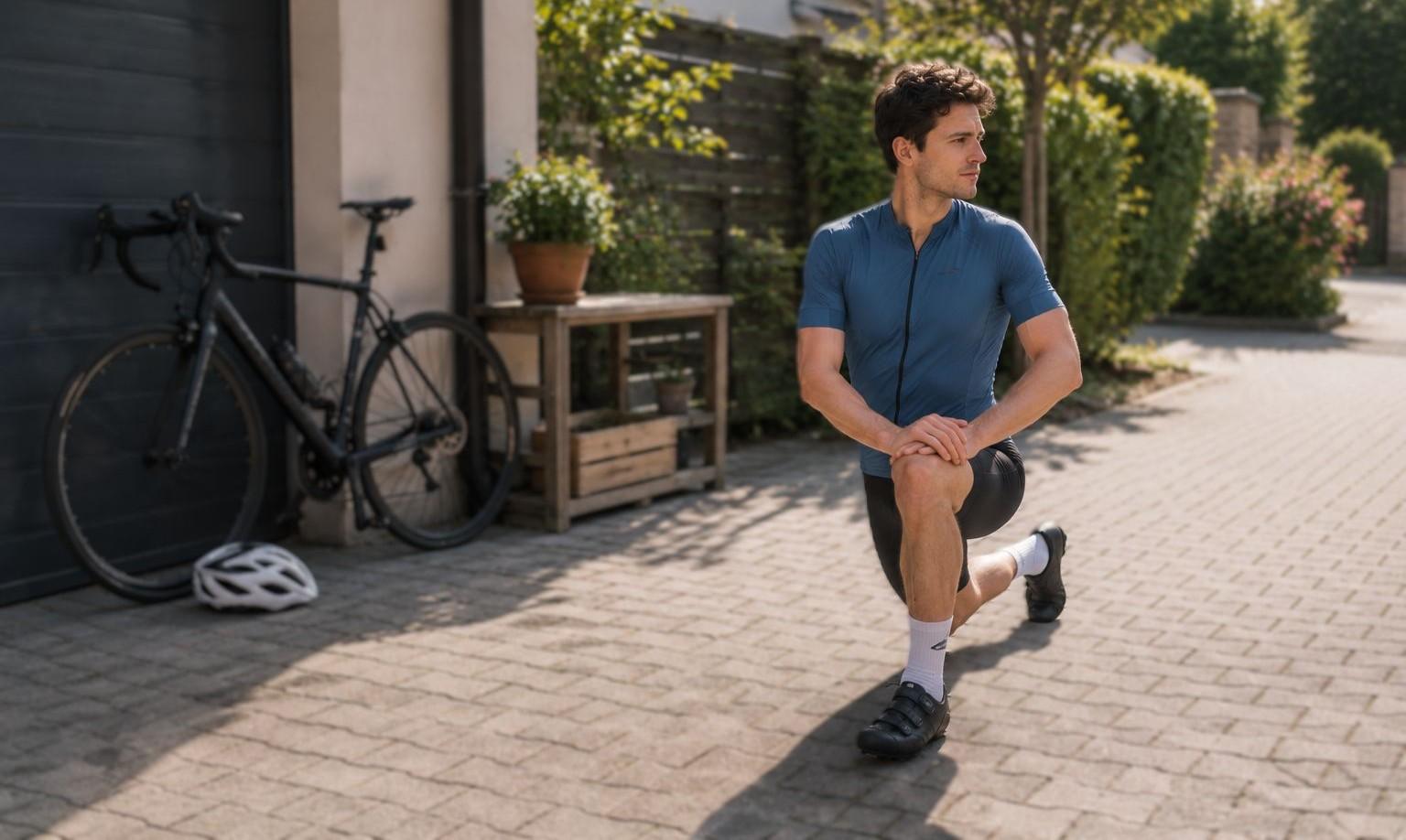
Dynamic movements prepare your body better than static stretching before a ride.
Static stretching, where you hold a stretch for 20 to 60 seconds, still has its place, but it's generally better suited to after your ride when your muscles are already warm. A simple way to remember it is this: Before the ride, prepare for movement. After the ride, work on flexibility.
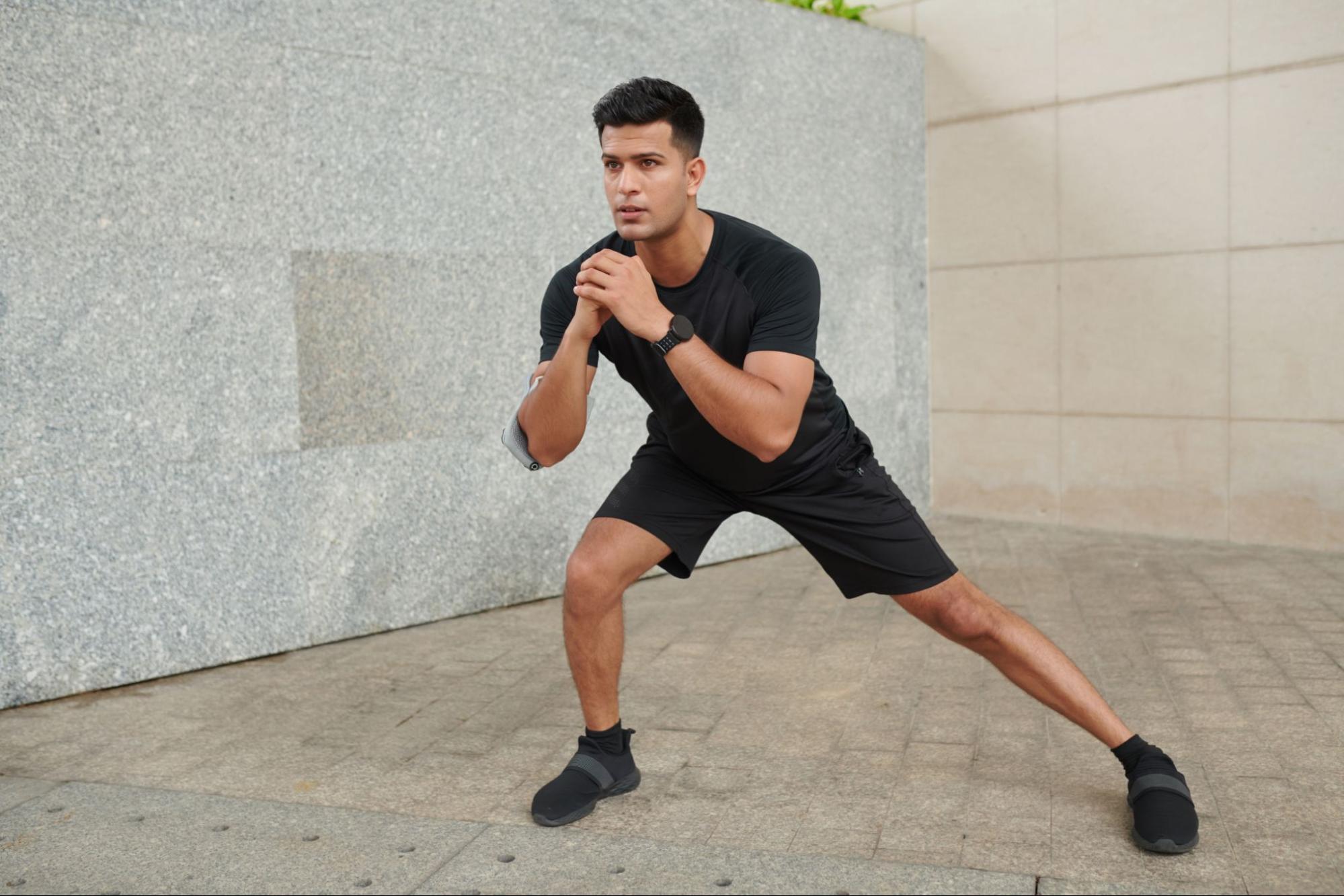
For most cyclists, five to ten minutes of mobility and activation before riding will do far more than standing still and holding a series of long stretches.
TIP: If flexibility is an area you'd like to improve, Yoga for Cyclists explains how regular mobility work can complement your training.
Step 2: Prepare your engine
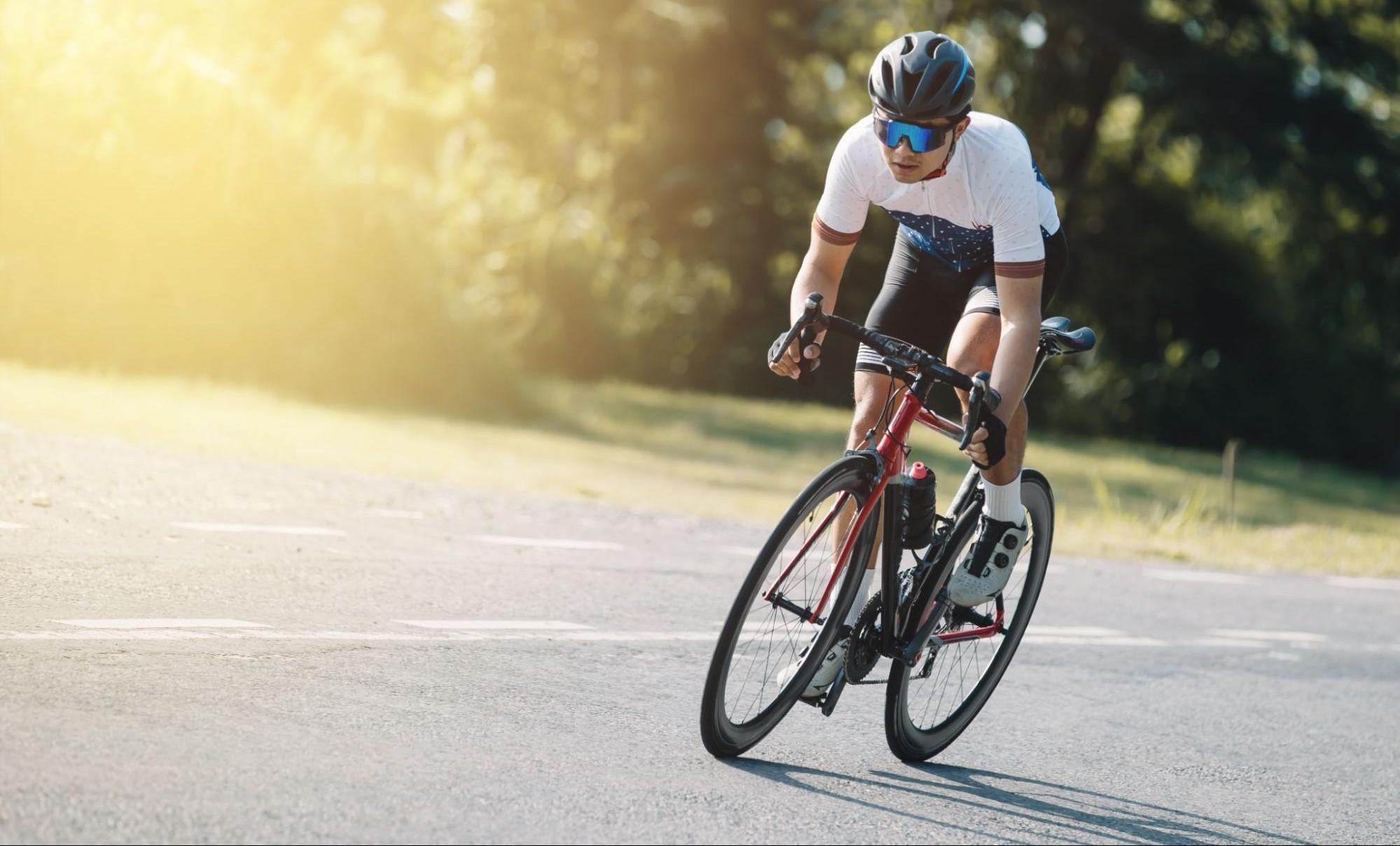
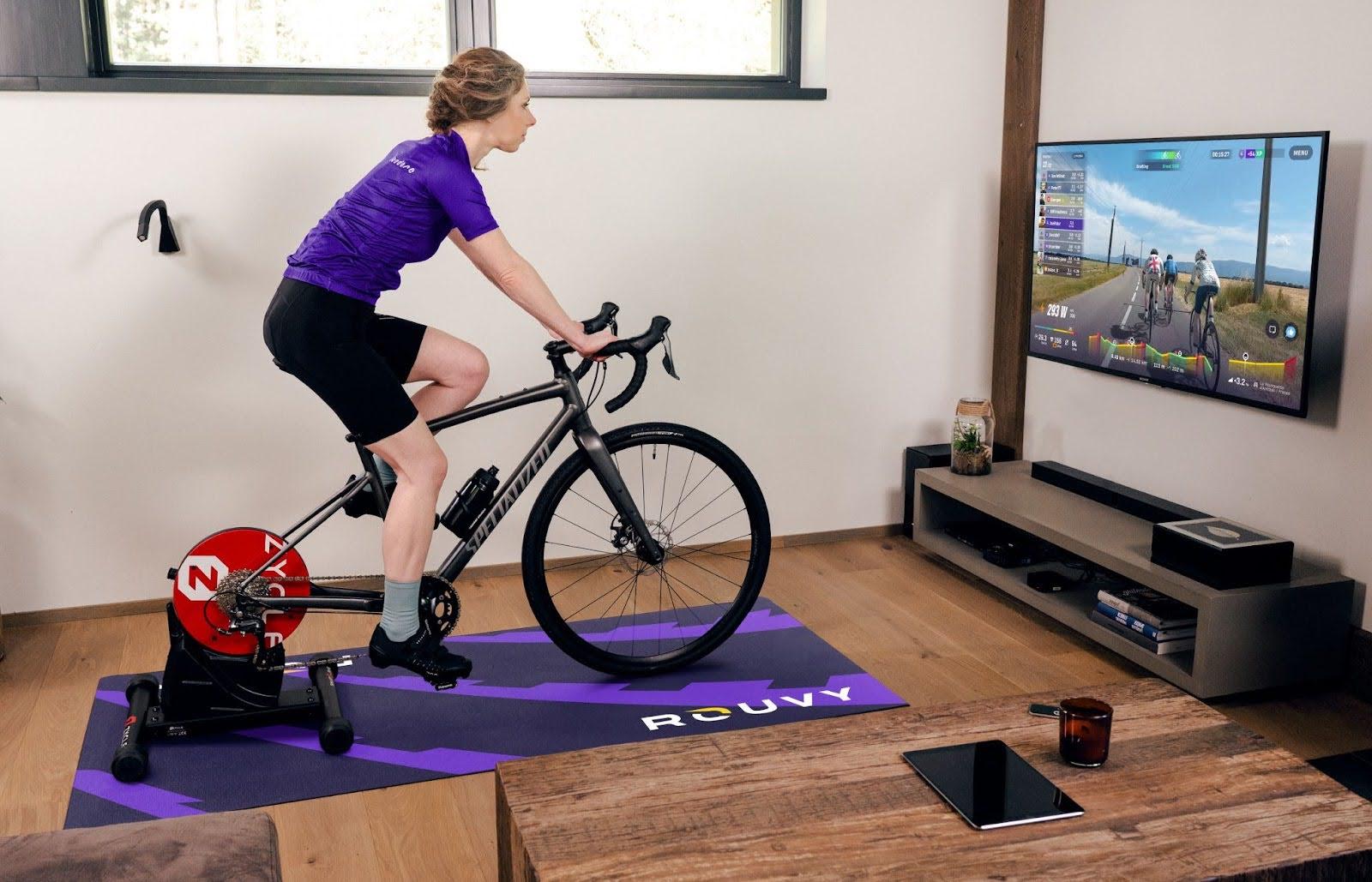
Once you've prepared your body off the bike, it's time to prepare your engine. This is the part many beginners either skip completely or rush through. They clip in, ride out of the driveway and, within a minute or two, they're already climbing a hill or trying to keep up with their mates. Your body isn't ready for that yet.
Even though your muscles are now awake, your heart, lungs and cardiovascular system still need time to catch up. A gradual on-bike warm-up allows everything to work together before you ask for harder efforts.