5. THE ATHLETE’S FOODCOACH
Best app for: pro cyclists
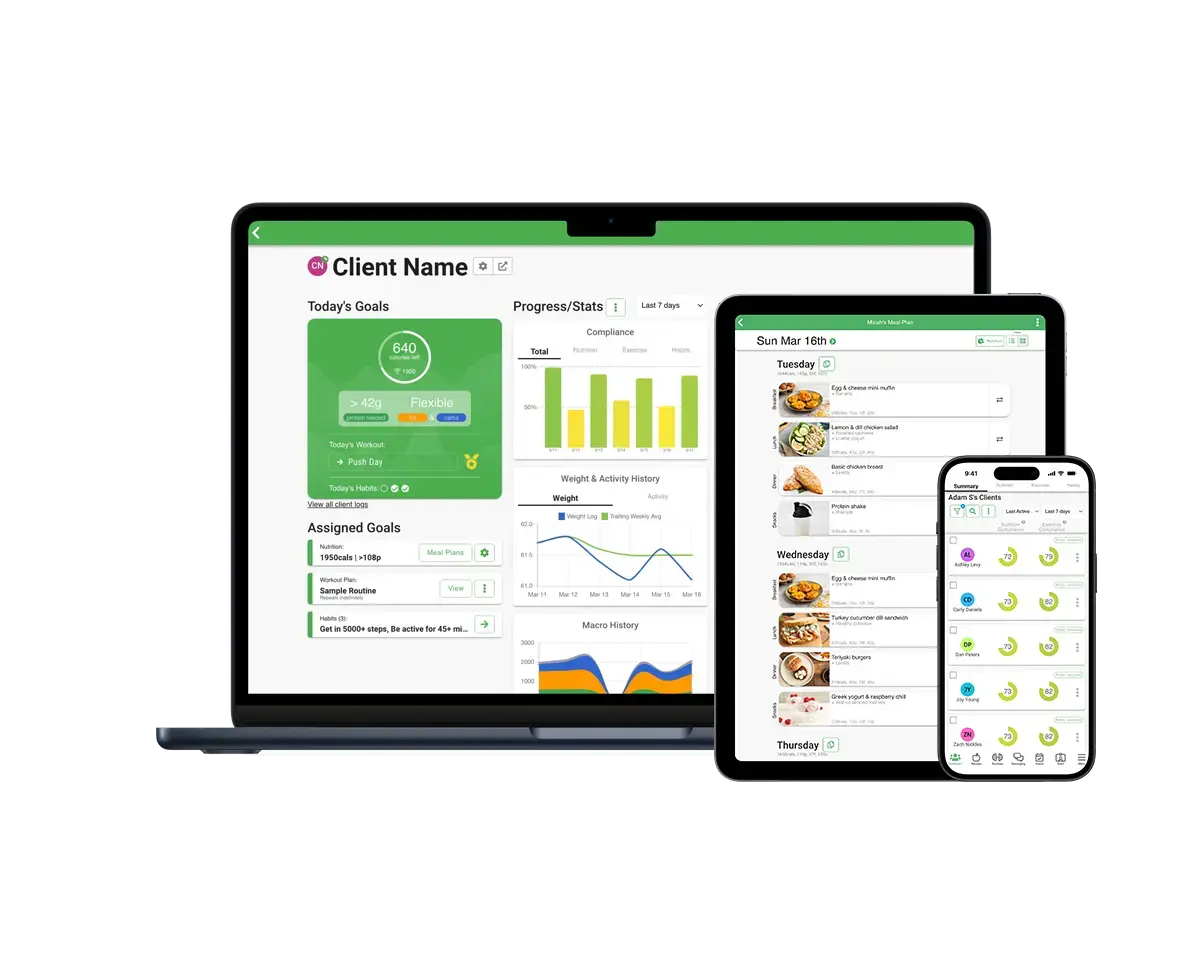
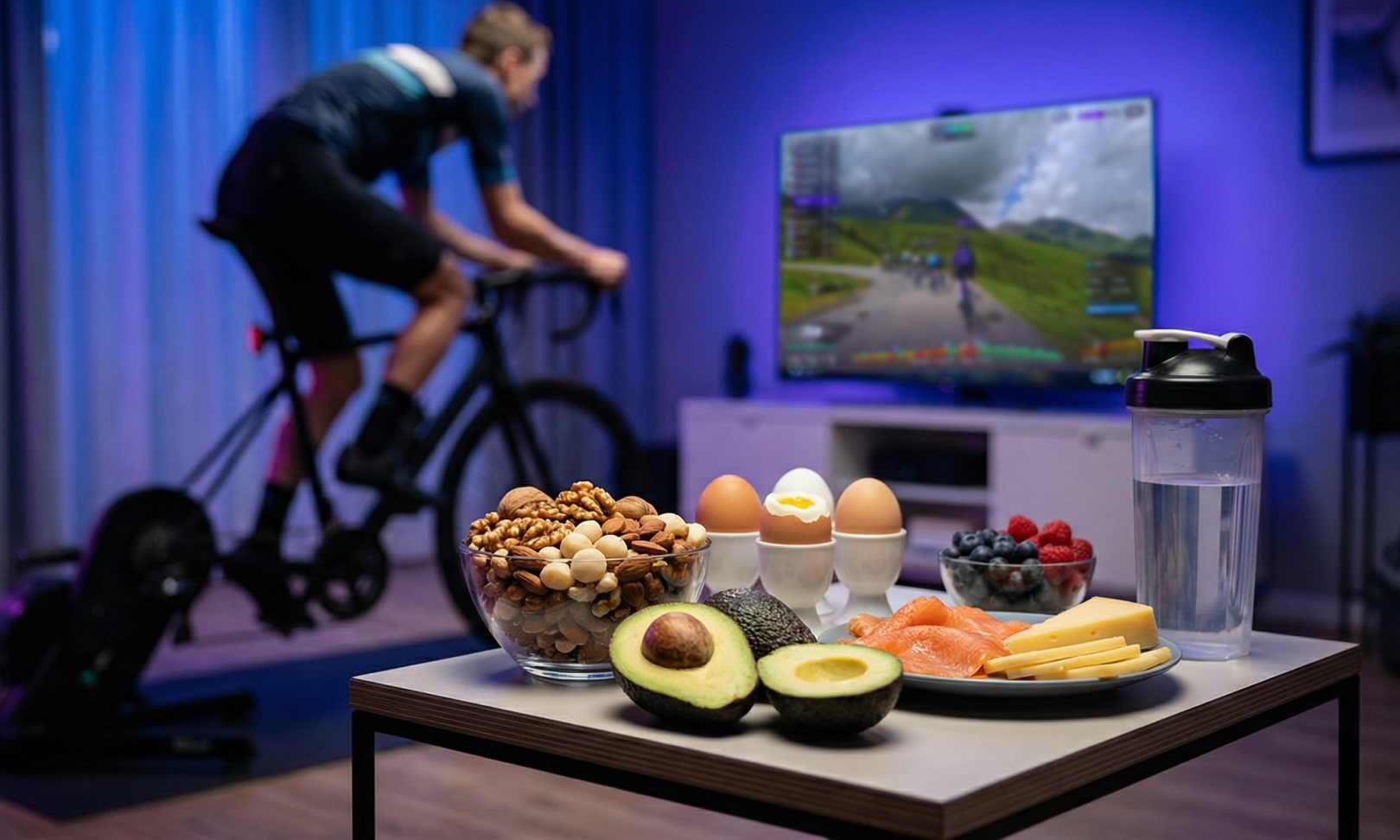
The Athlete’s FoodCoach turns elite sports nutrition into a personalized nutrition plan that matches your training and daily reality. With over 1,500 performance-focused meals and seamless integration with leading training platforms, FoodCoach connects what you eat directly to how you train, race, and recover.
Built on the same principles used inside teams like Team Visma | Lease a Bike, the app helps you reach your optimal riding weight while maintaining performance through smart, daily fueling aligned with your training load.
6. MYNETDIARY
Best app for: advanced nutrient-tracking app
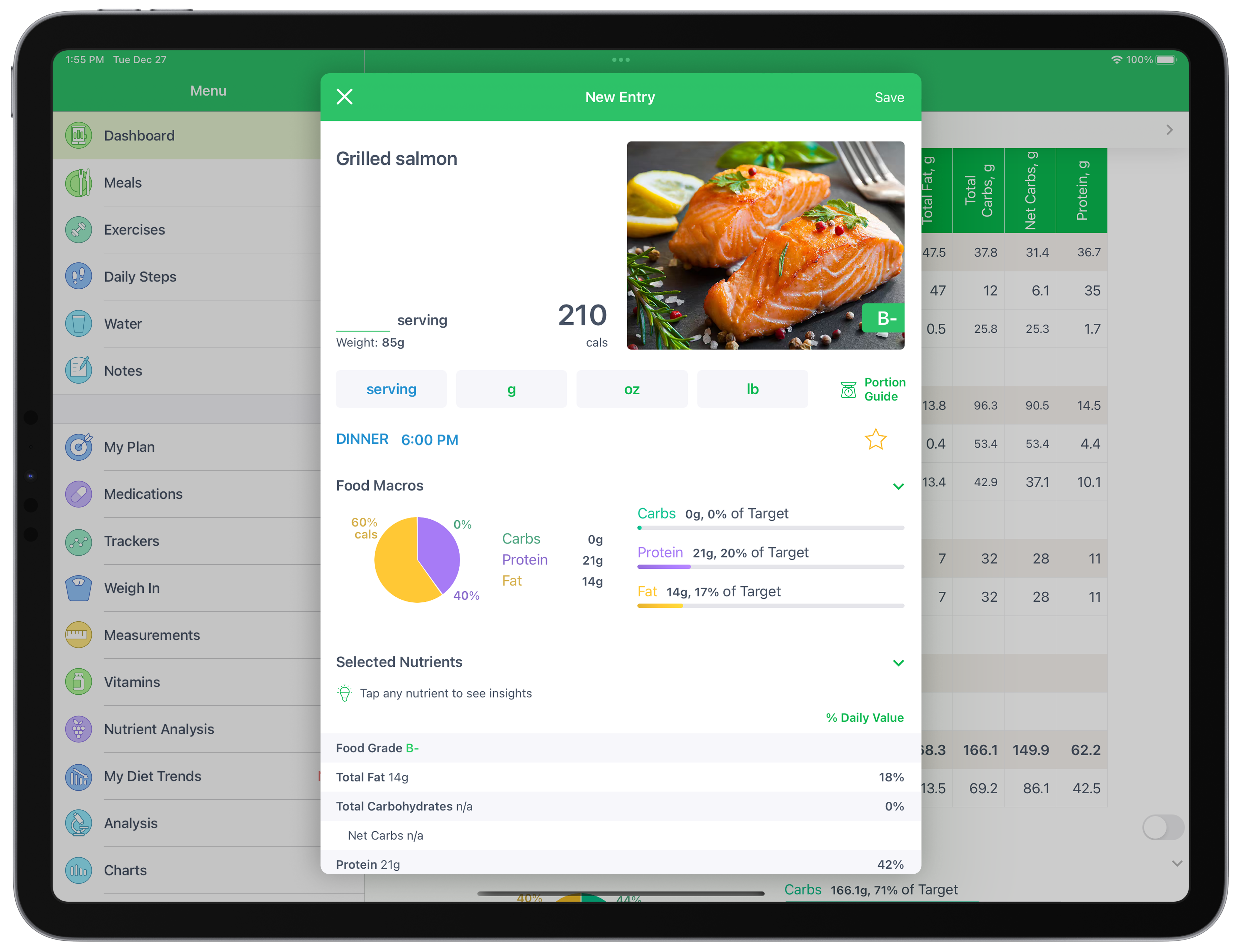
MyNetDiary tracks 108 nutrients using a verified database of more than 2 million foods, making it ideal for data-driven athletes. With AI-powered logging, dynamic macro adjustments, hydration tracking and wearable integrations, it supports precise, performance-focused nutrition.
7. EAT THIS MUCH
Best app for: meal planning & recipes
If you struggle with meal prep, Eat This Much generates customized meal plans based on daily calorie and macro needs.
8. CARB MANAGER
Best app for: keto & low-carb diets
Carb Manager is a comprehensive keto and low-carb nutrition tracker that monitors net carbs, macros and calories. It also includes meal plans, thousands of keto recipes and advanced metrics such as ketones and blood-glucose tracking.
9. LIFESUM
Best app for: vegan & balanced diets
Lifesum helps users build healthier eating habits with personalized meal plans, calorie and macro tracking, and easy food logging via barcode scanning or photos. The app supports diets such as vegan, keto and high-protein.
10. YAZIO PRO
Best app for: healthy habit building
Yazio Pro helps users build lasting healthy eating habits with comprehensive calorie, macro and micronutrient tracking, AI food photo recognition, fasting plans and more than 3,000 healthy recipes.
Common mistakes when choosing a nutrition-tracking app
- Relying on inaccurate food databases
Some apps have user-generated databases that may contain errors. Opt for apps that verify food entries to avoid using inaccurate data.
- Ignoring micronutrients & only tracking macros
While macronutrients are critical, vitamins and minerals also play a key role in endurance performance. Choose an app that tracks the full range of nutrients.
- Not syncing data with your training programme
Your diet should complement your workouts. The best nutrition apps for cyclists integrate with training platforms to help you adjust your intake based on your cycling intensity.
How to use a nutrition-tracking app effectively
- Set up your profile & goals correctly
Start by inputting accurate weight, activity levels, health goals and training goals. Don't cheat! Apps that use AI-driven recommendations provide the most personalized insights.
- Log food & drinks accurately
Weighing food and using barcode scanners improves accuracy. Many of the best calorie-tracking apps allow customized food entries.
- Stay consistent with food tracking
Make logging a habit by using voice input, smart reminders and pre-planned meals. Some apps offer gamification features that provide motivation through challenges and rewards.
- Use data insights to adjust your diet & performance
Many of the best nutrition apps for weight loss and performance optimization offer charts and reports to help you fine-tune your diet. Advanced AI-based analysis can identify trends and suggest modifications for better performance outcomes.

The future of nutrition tracking: AI, personalization & biometrics
Like in so many areas of life today, AI is radically changing our approach to nutrition and tracking calories by making it faster and smarter and able to now offer the best food-tracking apps for weight loss with a calorie counter.
New AI-powered apps can recognize food from photos, making logging easier and more accurate. AI is also being integrated into dietary analysis, providing users with predictive insights based on past habits.
The rise of personalized nutrition based on DNA & biometrics
Some emerging apps can analyze DNA and real-time biometrics to provide individualized diet recommendations and a food-tracking log.
Future integrations with cycling & training apps
Expect deeper integrations between the most preferred nutrition apps for cyclists and smart training programmes, automatically adjusting nutrition based on ride intensity and duration.
How technology can improve training and health
Ultimately, choosing the right nutrition-tracking app depends on your goal: whether it’s performance optimization, losing weight or dietary tracking for endurance cycling. By using the right tools, you can ensure that your nutrition supports and benefits your training, recovery, and long-term health.
RELATED READING