HOW TO CHOOSE THE BEST CHAMOIS CREAM FOR CYCLING
The best chamois cream depends on your riding style, skin sensitivity and typical training conditions.
There is no single perfect product for everyone. Instead of focusing only on brand names or marketing claims, pay attention to practical differences between formulas.
TEXTURE AND THICKNESS
Some creams are thick and protective, while others feel lighter and more breathable.
- Thick creams often work well for long-distance outdoor rides
- Lighter creams may feel better during hot weather or indoor sessions
Indoor cyclists frequently prefer creams that absorb well without becoming greasy under heavy sweating.
INGREDIENTS
Cyclists with sensitive skin should pay close attention to ingredients. Some creams contain cooling ingredients like menthol or eucalyptus, which certain riders enjoy while others find irritating.
If you have sensitive skin, look for products that are
- Fragrance free
- Paraben free
- Dermatologically tested
Natural ingredients such as aloe vera and shea butter may also help soothe irritated skin.
ANTIBACTERIAL PROPERTIES
Some creams include antibacterial or antimicrobial ingredients designed to help reduce the risk of saddle sores.
This can be especially useful during:
- Multi-day cycling trips
- Indoor training blocks
- Summer riding
- Ultra-distance events
WASHABILITY
One reason many cyclists choose dedicated chamois cream over petroleum jelly is washability.
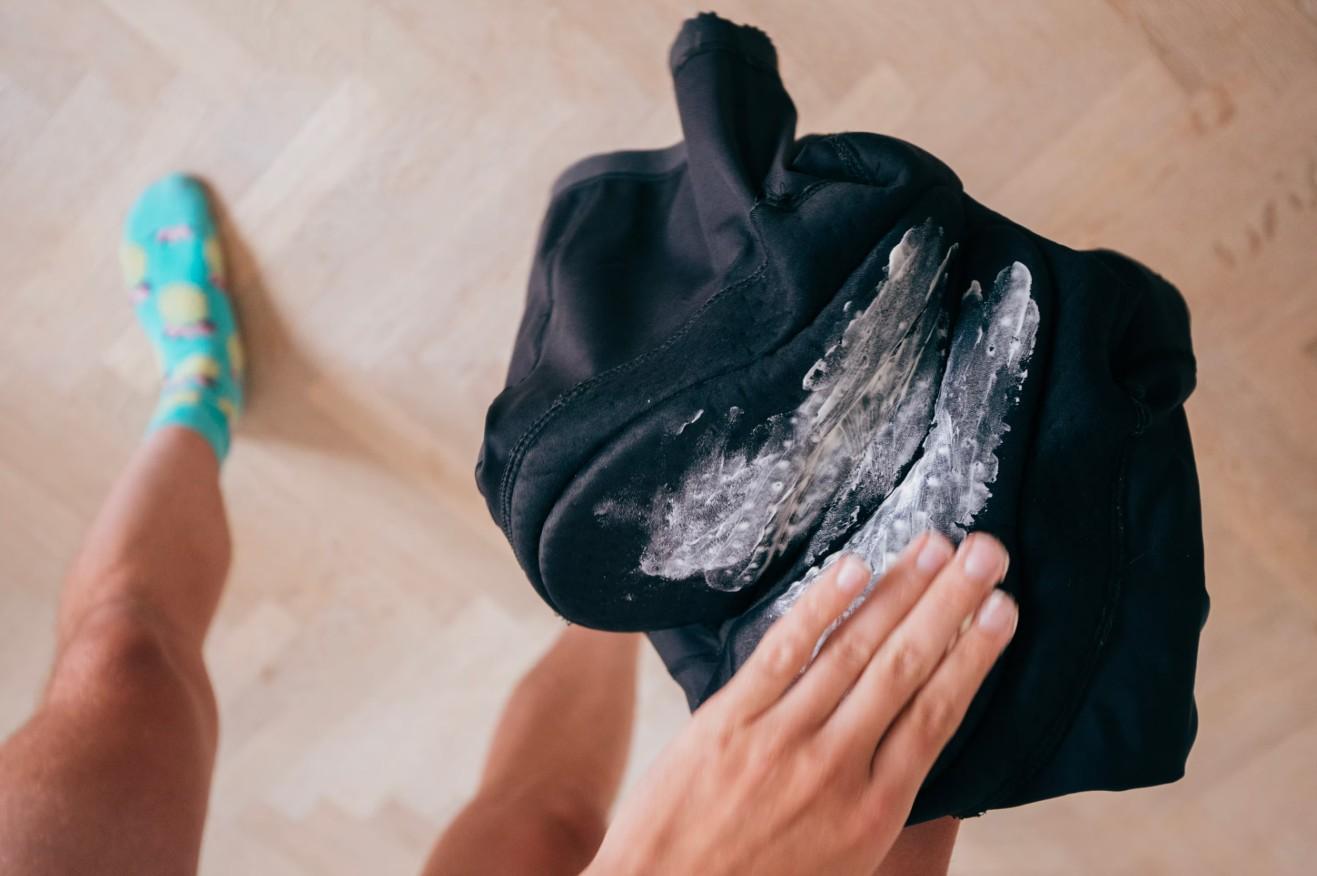
Cycling-specific creams are usually easier to remove from skin and bib shorts during normal washing. This becomes important if you ride frequently and want to extend the life of your cycling kit.
RIDE LENGTH
Different rides may call for different products.
For example:
- Short indoor sessions may need only a light cream
- Long endurance rides often benefit from thicker protection
- Hot-weather rides may require sweat-resistant formulas
Some cyclists even use separate creams for outdoor and indoor rides.
PERSONAL COMFORT
Ultimately, comfort is highly individual.
That is why many chamois cream reviews vary dramatically between riders. A product that feels perfect for one cyclist may feel too thick, too thin or too cooling for another.
Very few cyclists fall in love with the first cream they try.
CHAMOIS CREAM VS. VASELINE: WHICH IS BETTER?
The debate around chamois cream vs. Vaseline is common among beginner cyclists.
Technically, petroleum jelly can reduce friction and may work for shorter rides or emergency situations. Some cyclists have used it for decades.
However, chamois creams for cycling offer several advantages.
WHY CYCLING-SPECIFIC CREAMS ARE OFTEN BETTER
Most chamois cream for cycling is designed specifically for:
- Sweat-heavy conditions
- Long-term skin contact
- Breathability
- Easy washability
- Antibacterial protection
Vaseline is thicker and more occlusive. While it reduces friction effectively, it can sometimes trap heat and moisture during long rides. Many cyclists also find it harder to wash Vaseline out of bib shorts.
By contrast, dedicated cycling creams are often formulated to:
- Absorb more comfortably
- Stay stable under sweat
- Wash out more easily
- Feel less greasy
WHEN VASELINE MAY STILL WORK
Vaseline can still be useful:
- For short rides
- For cold-weather rides
- As an emergency backup
- For cyclists who tolerate it well
BEST PLACES TO BUY CHAMOIS CREAM
Cyclists today have plenty of options when deciding where to buy chamois cream.
You can usually find it at:
- Local bike shops
- Online cycling retailers
- Sporting goods stores
- Outdoor sports shops
- Large online marketplaces
Buying from a local bike shop can be especially helpful for beginners because staff often have personal experience with different products.
Online retailers may offer:
- Larger selections
- Travel-sized options
- User reviews
- Bundle deals
- Subscription discounts
If possible, start with a smaller container before committing to a large tub or bottle. Personal preference plays a major role, and testing a few products may help you discover what works best for your body and riding style.
When reading chamois cream reviews, focus on reviewers with similar riding habits to yours. Indoor cyclists, endurance riders and racers often prioritize different features.
COMMON CHAMOIS CREAM MISTAKES TO AVOID
Even experienced cyclists sometimes misuse chamois cream. Avoiding these common mistakes can make a noticeable difference in comfort.
USING TOO MUCH
More is not always better. Excess cream can feel messy, slippery or uncomfortable inside cycling shorts. Start with a moderate amount and adjust gradually.
APPLYING IT TO DIRTY SKIN OR SHORTS
Poor hygiene increases the chance of irritation and saddle sores. Always use clean bib shorts and shower promptly after riding whenever possible.
WAITING UNTIL YOU ALREADY HAVE CHAFING
Chamois cream works best preventatively. Applying it before irritation develops is far more effective than trying to calm already damaged skin mid-ride.

IGNORING OTHER SOURCES OF DISCOMFORT
Persistent saddle pain is not always caused by lack of cream.
The real issue may involve:
- Poor bike fit
- Worn-out cycling shorts
- Incorrect saddle width
- Saddle position
- Excessive indoor heat
- Poor hygiene habits
USING COTTON UNDERWEAR WITH CYCLING SHORTS
Cycling shorts are designed to be worn directly against the skin. Adding underwear creates extra seams and friction, which can worsen chafing.
FINAL TIPS FOR MORE COMFORTABLE BIKE RIDES
Chamois cream may seem like a small detail, but for many cyclists it becomes one of the easiest ways to improve ride comfort and consistency.
The combination of sweat, pressure and repeated pedalling can quickly irritate skin, especially during indoor training or long endurance rides. Using chamois cream can help reduce friction, prevent chafing and make it easier to stay comfortable for longer.
Most cyclists spend a surprising amount of time thinking about training for speed and power, and training zones. But staying comfortable enough to ride consistently matters just as much.
Sometimes, a small tube of cream can make the difference between cutting a ride short and happily staying in the saddle for another hour.
The biggest improvements usually come from combining:
- Well fitted cycling shorts
- Proper bike fit
- Good hygiene
- Smart saddle choice
- Regular movement during rides
- Effective indoor cooling
- Appropriate chamois cream application
If you’re new to cycling, experimenting with chamois cream is completely normal. What works best often depends on your skin, training conditions and personal preferences.

Whether you’re riding outdoors in summer heat, training for a gran fondo or sweating through one of ROUVY’s online workouts, staying comfortable in the saddle helps you ride longer, recover better and enjoy cycling more consistently.
RELATED READING